
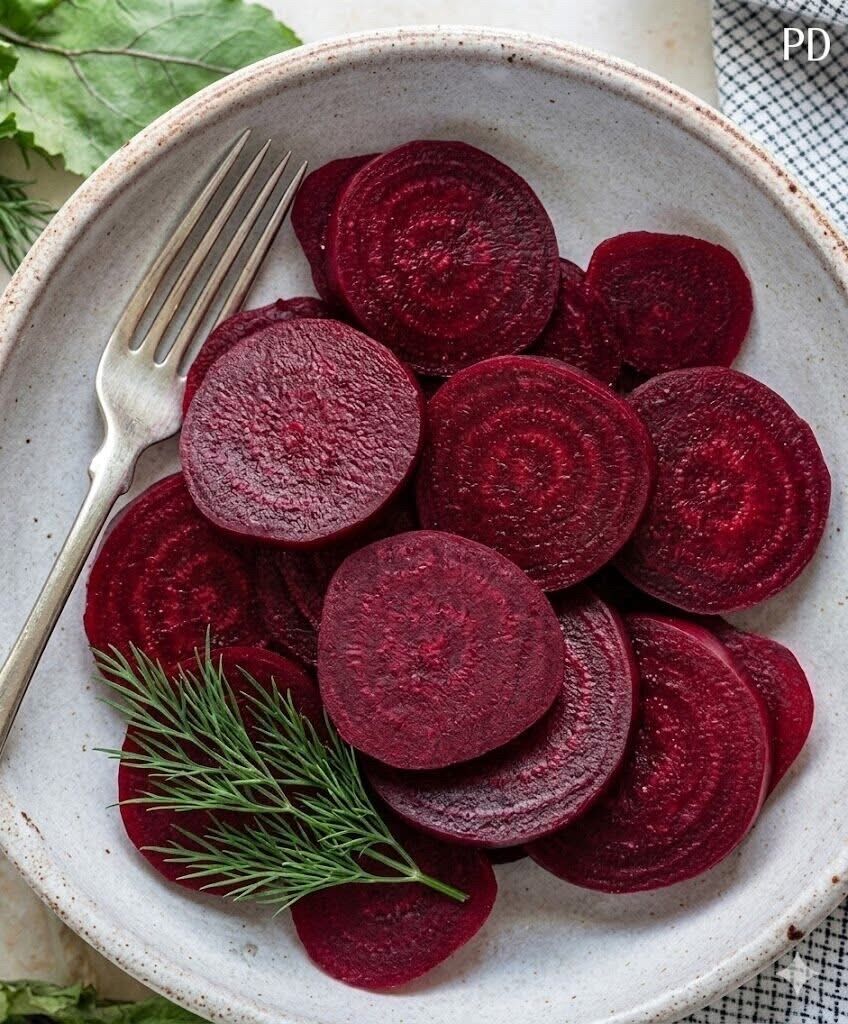
Why Beets Deserve a Spot in Your Diet: A Nutrient Rich Choice for Everyday Wellness
Beets have become increasingly popular in the world of healthy eating, and for good reason. Known for their vibrant color and naturally sweet, earthy taste, beets offer a powerful combination of nutrients that can support overall well-being. While the term "superfood" is often overused, beets stand out as a genuinely nutritious addition to a balanced diet. Rich in essential vitamins and minerals like folate and potassium, beets help support normal cell function, muscle activity, and fluid balance. They also contain natural compounds such as nitrates and antioxidants, which contribute to their potential health benefits. Adding beets to your meals regularly may help support heart health, digestion, and energy levels.
A Compact Nutrition Profile
For such a humble root vegetable, beets pack an impressive nutritional punch. They are low in calories yet rich in valuable vitamins and minerals. Key nutrients include:
- Folate: Important for cell growth and DNA formation, and especially important during pregnancy.
- Potassium: Helps support normal muscle function, nerve signals, and fluid balance.
- Manganese: Supports bone health and metabolism.
- Vitamin C: Contributes to immune function and skin health.
- Iron: Supports healthy red blood cells and oxygen transport.
- Fiber: Promotes healthy digestion and a feeling of fullness.
Beets are also naturally low in fat and contain a modest amount of protein for a vegetable, making them an easy fit for almost any eating pattern.
Supporting Healthy Blood Flow
One of the key benefits of beets is their role in supporting healthy blood flow. Natural nitrates found in beets are converted in the body into nitric oxide, which helps relax and widen blood vessels. This process can improve circulation and may contribute to maintaining healthy blood pressure levels. Better blood flow also means oxygen and nutrients are delivered more efficiently throughout the body, which can be especially beneficial during physical activity.
This is why beet juice has become popular among athletes and active people. Some research suggests that dietary nitrates may support exercise performance by helping muscles use oxygen more efficiently. You do not need to be an athlete to benefit, though. Good circulation supports everything from heart health to everyday energy.
Antioxidants and Betalains
Beets are also known for their antioxidant content, particularly compounds called betalains. These natural pigments not only give beets their deep red and purple hues but also help protect the body from oxidative stress. Antioxidants play an important role in supporting overall health by helping the body manage everyday environmental and metabolic stress.
Golden beets and striped Chioggia beets contain different pigment profiles, but all beet varieties offer antioxidant value. Eating a rainbow of produce is one of the simplest strategies for covering a wide range of protective plant compounds, and beets are an easy color to add to the mix.
Fiber for Digestion
In addition to heart and antioxidant benefits, beets are a great source of dietary fiber. Fiber is essential for healthy digestion, helping to support regular bowel movements and promote a balanced gut environment. It can also help you feel fuller for longer, making it easier to manage portion sizes and maintain a healthy weight. Because fiber slows digestion, pairing beets with protein and healthy fats at a meal can help keep you satisfied for hours.
Versatility in the Kitchen
Another advantage of beets is their versatility in the kitchen. They can be enjoyed roasted, steamed, boiled, or even raw in salads. Their natural sweetness pairs well with a variety of ingredients, from citrus fruits to nuts and cheeses. Even beet greens are edible and packed with nutrients, offering another way to boost your daily intake of vitamins and minerals.
Easy ways to enjoy beets:
- Roasted: Toss cubed beets with olive oil and roast until caramelized and tender.
- Raw: Grate fresh beets into salads or slaws for crunch and color.
- Boiled or steamed: A gentle method that keeps them soft and mild.
- Juiced: Blend with apple, carrot, and ginger for a bright, sweet juice.
- Pickled: Slice thinly and pickle in vinegar for a tangy condiment.
- Beet greens: Sauté like spinach with garlic and olive oil.
Try classic pairings like beets with goat cheese and walnuts, beets with orange and pistachio, or roasted beets tossed through a grain bowl. A little balsamic vinegar or lemon juice brightens their earthy flavor beautifully.
A Few Things to Know
While beets are generally safe for most people, it's helpful to be aware of a few minor considerations. Some individuals may notice a temporary change in urine or stool color after eating beets: this is harmless and caused by the natural pigments. Those with specific dietary concerns, such as kidney stone risk or low blood pressure, may want to enjoy beets in moderation as part of a varied diet. Beets are also naturally higher in sugar than some vegetables, so people managing blood sugar should consider portion sizes, though the fiber content helps slow absorption.
Frequently Asked Questions
Are beets good for blood pressure?
Beets contain natural nitrates that the body converts to nitric oxide, which helps blood vessels relax. As part of a balanced diet, they may support healthy blood pressure levels.
Can I eat beets every day?
For most people, yes. Daily beets are fine as part of a varied diet. If you have kidney stone concerns or very low blood pressure, enjoy them in moderation and check with a professional.
Are beet greens safe to eat?
Yes. Beet greens are nutritious and can be cooked like spinach or chard. They are rich in vitamins and a great way to reduce food waste.
Why is my urine pink after eating beets?
This harmless effect, sometimes called beeturia, comes from beet pigments passing through the body. It is temporary and nothing to worry about.
Do golden beets have the same benefits as red beets?
Both are nutritious. Red beets are richer in betalain pigments, while golden beets are milder in flavor. Variety is always a good idea.
This article is for informational purposes only and is not medical advice. Please consult a qualified professional.

