The Halifax Blueprint: Mark Carney's $3 Billion Plan to Boost Defense and Speed Up Energy Projects
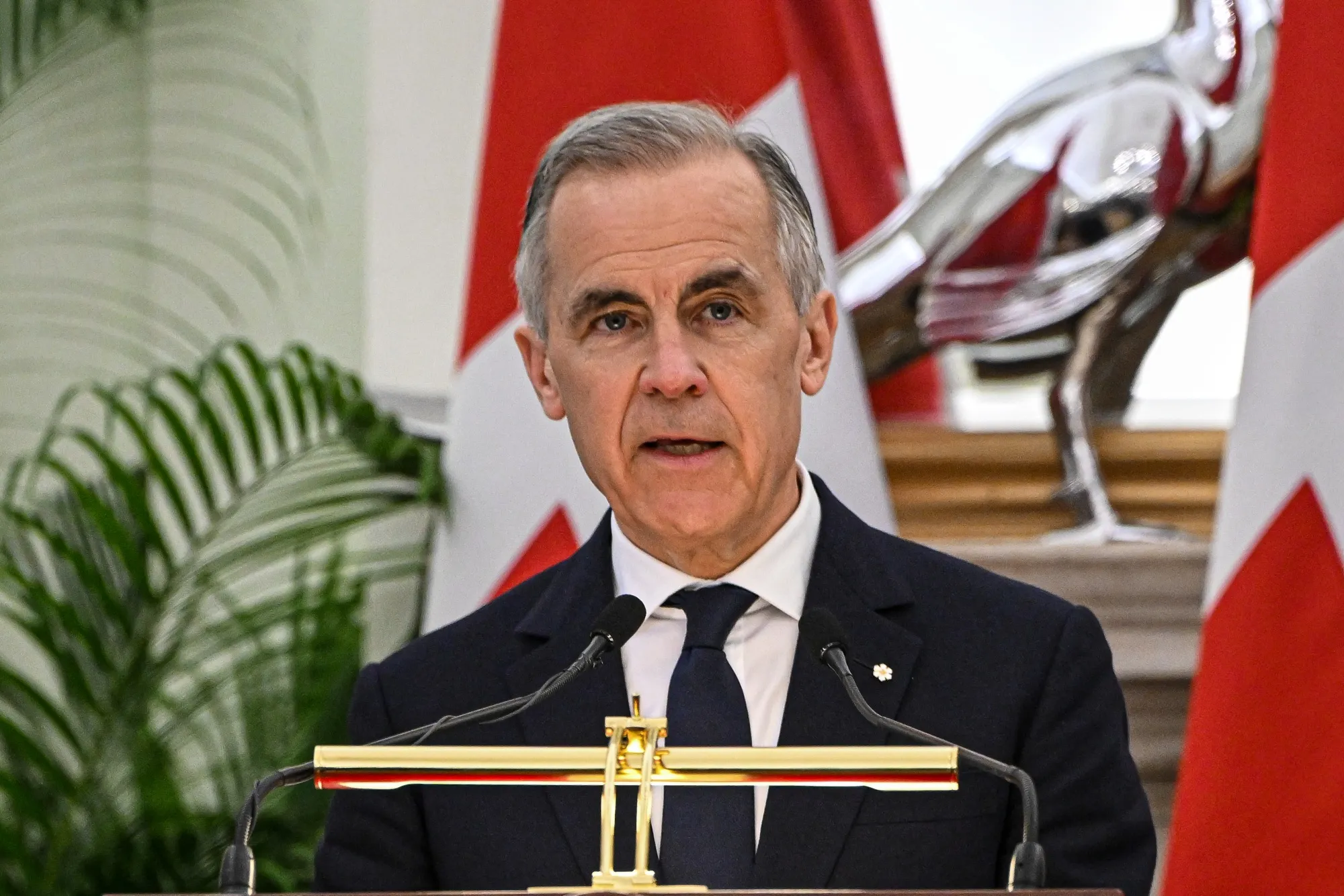
HALIFAX, NOVA SCOTIA. Mark Carney unveiled a major new plan during a visit to Halifax, combining increased defense investment with efforts to simplify approval processes for energy projects. The proposal, valued at approximately $3 billion, represents one of the most significant policy announcements of his tenure, touching on national security, economic development, and Canada's energy future.
The choice of Halifax as the announcement venue was deliberate. As home to Canada's Atlantic naval fleet and a historic center of maritime industry, the city embodies the intersection of defense and economic interests that the plan addresses.
What's in the Plan
The blueprint combines two major policy thrusts:
Increased Defense Investment
The defense component directs new funding toward strengthening Canada's military capabilities. While full details continue to emerge, the emphasis includes:
- Modernizing equipment and infrastructure to ensure the Canadian Armed Forces can meet current and future challenges.
- Supporting the naval presence in Atlantic Canada, with Halifax's strategic importance as a factor.
- Meeting alliance commitments, as Canada faces ongoing pressure from allies to increase defense spending toward agreed targets.
- Investing in personnel, recognizing that capability depends on recruitment, retention, and training as much as hardware.
Streamlined Energy Project Approvals
The second pillar addresses what many in the energy sector describe as a critical bottleneck: the complexity and duration of project approval processes. The plan aims to:
- Simplify regulatory pathways for energy projects deemed in the national interest.
- Reduce duplication between federal and provincial review processes.
- Set clearer timelines so investors and communities know what to expect.
- Balance speed with standards, maintaining environmental and safety requirements while removing unnecessary delays.
Why Halifax, Why Now
The timing and location reflect converging pressures:
- Global security shifts have increased the urgency of defense investment across Western democracies. Canada's geography, vast territory, and Arctic interests make the case particularly pressing.
- Energy security concerns have grown as global supply chains face disruption and allies seek reliable partners.
- Economic competitiveness is at stake. When approvals take years longer than in competing jurisdictions, investment goes elsewhere.
- Atlantic Canada's role as an energy and defense hub gives the region particular stake in both halves of the plan.
The Defense Spending Debate
Carney's defense commitments land in a long-running national conversation:
- Alliance expectations. NATO members have faced sustained pressure to spend more on defense, and Canada's spending levels have been a recurring point of discussion.
- Arctic sovereignty. As northern waters become more navigable and geopolitically contested, Canada's ability to assert presence in its own Arctic is increasingly questioned.
- Procurement challenges. Canada's history of troubled military procurement, delayed ships, over-budget aircraft, makes new spending announcements met with both hope and skepticism.
- The $3 billion question. Analysts will scrutinize how the funds are allocated: new capabilities versus maintenance backlogs, personnel versus platforms, Atlantic versus Arctic versus domestic priorities.
Supporters argue the investment is overdue and essential. Critics will ask whether the money is sufficient, whether it will be spent effectively, and what trade-offs it requires elsewhere in the budget.
The Energy Approval Challenge
Canada's energy project approvals have become a case study in regulatory complexity:
- Multi-year timelines are common, with some major projects spending a decade or more in review.
- Overlapping jurisdictions mean federal, provincial, and Indigenous consultation processes that don't always align.
- Investor uncertainty follows: capital flows to jurisdictions where timelines are predictable.
- The paradox: Canada has vast energy resources and strong environmental standards, but struggles to build the projects that would deliver both economic benefit and cleaner supply.
Streamlining efforts must navigate a delicate balance. Faster approvals that sacrifice environmental review or Indigenous consultation would face legal and political challenges. The test of Carney's plan is whether it achieves speed without sacrificing legitimacy.
Reactions and Analysis
Major policy announcements like this one generate predictable patterns of response:
- Industry groups generally welcome both pillars: defense contractors see opportunity, and energy companies see hope for faster project timelines.
- Environmental organizations will scrutinize the streamlining proposals closely, watching for any weakening of assessment standards.
- Provincial governments, particularly in energy-producing and Atlantic provinces, will evaluate how the plan affects their jurisdiction and interests.
- Opposition parties will question the details: the funding sources, the timelines, and whether the plan goes far enough or too far.
- Allied governments will note the defense commitments as a signal of Canada's seriousness about shared security burdens.
What to Watch Next
The announcement is a starting point, not a conclusion. Key developments to follow:
- Legislative details. How will streamlined approvals be implemented? What specifically changes in the review process?
- Budget allocation. Where exactly does the $3 billion go, and over what timeframe?
- Provincial cooperation. Energy approvals involve provinces centrally; their buy-in determines success.
- Indigenous engagement. Meaningful consultation isn't optional legally or morally; how the plan handles it will define its credibility.
- Implementation track record. Announcements are easy; delivery is hard. Watch for concrete milestones.
The Takeaway
The Halifax Blueprint is an ambitious attempt to address two of Canada's most pressing challenges simultaneously: rebuilding defense capability and unlocking energy development. Its success will depend less on the announcement's reception and more on the grinding work of implementation: legislation, budgets, intergovernmental negotiation, and project-by-project delivery.
For Halifax, the symbolism is fitting. A port city that has launched ships and weathered storms for centuries now hosts the launch of a plan meant to strengthen the country's defenses and energize its economy. Whether the blueprint becomes reality will be one of the defining policy stories to watch.
Frequently Asked Questions
What is the Halifax Blueprint?
It's the name given to Mark Carney's approximately $3 billion plan combining increased defense investment with streamlined approvals for energy projects, announced during a visit to Halifax, Nova Scotia.
Why was Halifax chosen for the announcement?
Halifax is home to Canada's Atlantic naval fleet and is a historic center of maritime industry, making it symbolically fitting for a plan addressing both defense and energy.
How would energy project approvals be streamlined?
Proposed measures include simplifying regulatory pathways, reducing duplication between federal and provincial reviews, and setting clearer timelines, while maintaining environmental and safety standards.
Why is Canada increasing defense spending?
Global security shifts, alliance commitments, Arctic sovereignty concerns, and long-standing pressure from allies have all contributed to the push for greater Canadian defense investment.
What are the main criticisms of the plan?
Potential concerns include whether $3 billion is sufficient, whether procurement problems will undermine the defense spending, and whether streamlined energy approvals might weaken environmental or consultation standards.