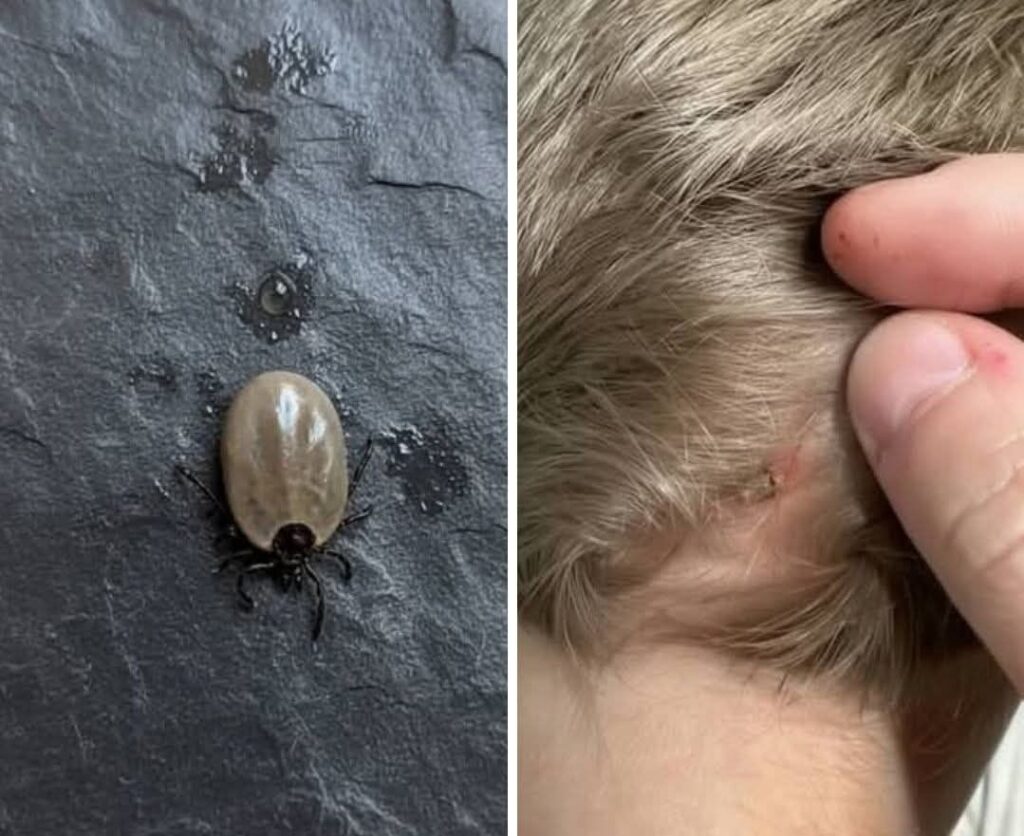
It often starts during a quiet moment—brushing your child’s hair after a bath or relaxing together on the couch. Then you notice it. A tiny dark speck moving between the strands. Your heart skips, your stomach tightens, and questions rush in all at once.
Is it a tick? Is it lice? Is it dangerous?
In 2026, children spend more time outdoors than ever before. Between school playgrounds, sports fields, hiking trails, and backyard adventures, contact with nature is part of everyday life. With that comes the occasional unexpected “hitchhiker.” The concern parents feel is completely natural—but panic isn’t necessary.
Before reaching for strong chemicals or rushing to urgent care, it helps to pause and identify what you’re dealing with. Most insects found on a child’s scalp fall into a few well-known categories, and understanding the differences can save time, stress, and unnecessary treatment.
1. The Usual Suspects: Identifying What You Found
In most cases, a bug on the scalp fits into one of three groups. Correct identification is the key to handling the situation calmly and effectively.
Suspect A: Head Lice (Pediculosis)
Appearance: About the size of a sesame seed, usually tan or pale gray. Lice have no wings and cannot jump or fly. Their legs are designed to cling tightly to hair strands.
What to Look For: Small, teardrop-shaped eggs called nits firmly attached to the hair shaft, especially behind the ears and near the nape of the neck. Unlike dandruff, nits do not brush or shake off.
2026 Update: Some lice have developed resistance to older chemical treatments. Because of this, physical removal through careful combing is now considered the most dependable approach.
Suspect B: A Tick
Appearance: Flat, oval, and darker in color. Once feeding, a tick may appear swollen and grayish, similar to a tiny bean.
What to Look For: Ticks attach directly to the skin and remain firmly in place. If the insect is not moving freely and appears embedded, it may be a tick.
Why It Matters: Awareness of tick-borne illnesses, including Lyme disease and Alpha-gal syndrome, is higher than ever. Using clean tweezers for proper removal and monitoring the bite area is important.
Suspect C: The Accidental Visitor
Appearance: Occasionally, a small beetle or other household insect may end up in a child’s hair after playtime or rest.
What to Look For: A single insect with no eggs present. These bugs do not live on the scalp and usually wander there by accident.
2. The Itching Myth: Why Some Children Don’t Scratch
Many parents expect immediate itching, but that’s not always the case.
The irritation associated with lice doesn’t come from the crawling itself. It’s caused by a mild reaction to saliva, and that sensitivity can take days or even weeks to develop. Some children never itch at all, even with an active infestation. This is why routine checks matter more than waiting for symptoms.
3. Treatment in 2026: Calm, Safe, and Effective
There’s no need to clear the pharmacy shelves.
For Lice:
“Wet combing” remains the most trusted method. Applying a thick conditioner temporarily immobilizes lice, making them easier to remove with a fine-toothed metal nit comb. Repeating this process every few days for two weeks is often enough to fully resolve the issue—without harsh chemicals.
For Ticks:
After removal, placing the tick in a small container with rubbing alcohol can be helpful. Many parents now use identification apps that analyze photos and provide guidance on whether follow-up care is recommended.
For the Home:
Lice do not survive long away from the scalp. Washing pillowcases, hats, and frequently used bedding on high heat is typically sufficient. Extensive cleaning or fumigation is unnecessary.
4. Letting Go of the Stigma
Discovering a bug in your child’s hair can trigger embarrassment—but it shouldn’t.
Head lice actually grip clean hair more easily than oily hair. A child with lice is usually a child who plays closely with friends. A child with a tick is often one who enjoys the outdoors. These situations reflect activity and exploration, not poor hygiene.
Final Thought
Finding a bug on your child’s scalp can be unsettling, but in most cases, it’s a common and manageable part of parenting. With calm identification, simple treatment, and a little reassurance, the problem is usually resolved quickly—and life goes right back to normal.