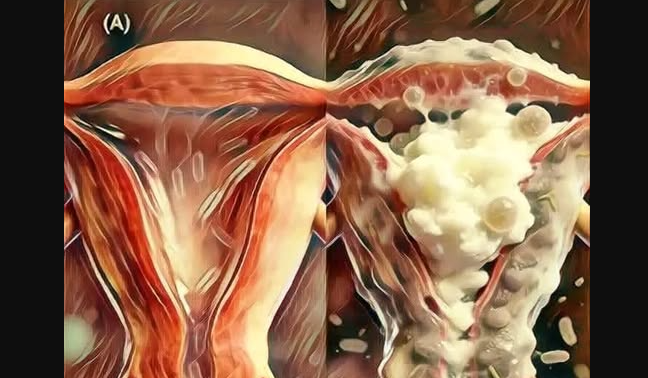
Intimate relationships affect more than emotional well-being—they can also influence certain physical systems in the body. One area that often receives less attention is urinary health. Understanding how the body responds after intimate contact can help people take simple steps to stay comfortable and healthy.
1. How the Urinary System Is Involved
The urinary system plays an essential role in overall wellness by filtering waste from the blood and maintaining the body’s fluid balance. Its main components—the kidneys, bladder, and urethra—work together continuously to remove excess fluids and unwanted substances.
During intimate contact, this system can be briefly exposed to bacteria that naturally live on the skin. In women, the urethra is shorter and located close to other areas of the body, which can make it easier for bacteria to reach the urinary tract. This is a normal anatomical characteristic and does not reflect hygiene habits.
In men, the urethra is longer, which generally reduces the likelihood of bacteria traveling upward. However, microorganisms can still enter the urethra during intimacy. If they remain there for an extended period, they may multiply and cause irritation or infection.
Recognizing this natural process helps explain why certain everyday habits can make a noticeable difference in comfort and long-term urinary health.
2. Understanding Post-Activity Urinary Discomfort
One condition commonly discussed by healthcare professionals is post-activity urinary discomfort, often linked to urinary tract infections. These infections occur when bacteria reach the bladder and cause inflammation. Women are more frequently affected, but men can experience similar symptoms as well.
Signs may appear hours later and can include discomfort during urination, an increased urge to urinate, lower abdominal pressure, or general unease. While symptoms vary, they can interfere with daily routines and may require medical attention if they continue.
Medical experts often emphasize prevention. One widely recommended step is emptying the bladder after intimate activity. This simple action helps clear out bacteria before they move further into the urinary tract, lowering the risk of infection.
3. Urination as a Natural Protective Process
Urinating after intimacy supports the body’s natural defenses. As urine flows through the urethra, it helps flush away bacteria that may have entered during contact. This reduces the chance of microorganisms settling and causing irritation.
This process can also relieve bladder pressure and improve overall comfort. In women, it may support a balanced environment that helps maintain healthy natural bacteria levels. The body performs this function naturally, without the need for medication or special products.
Although it may seem like a small step, repeating this habit over time can contribute to fewer urinary issues and improved well-being.
4. Building Healthy Long-Term Habits
Supporting urinary health involves a combination of simple daily practices. Staying hydrated, maintaining regular hygiene, and listening to the body’s signals all play important roles. Urinating after intimate contact fits easily into this routine.
Anyone who experiences ongoing discomfort or frequent infections should consult a healthcare provider. Factors such as anatomy, hormonal changes, or existing health conditions may increase sensitivity and require personalized advice.
By understanding how the body responds and adopting preventative habits early, people can support comfort, balance, and long-term health. Consistency and awareness help reduce potential issues before they develop, creating a healthier foundation for everyday life.