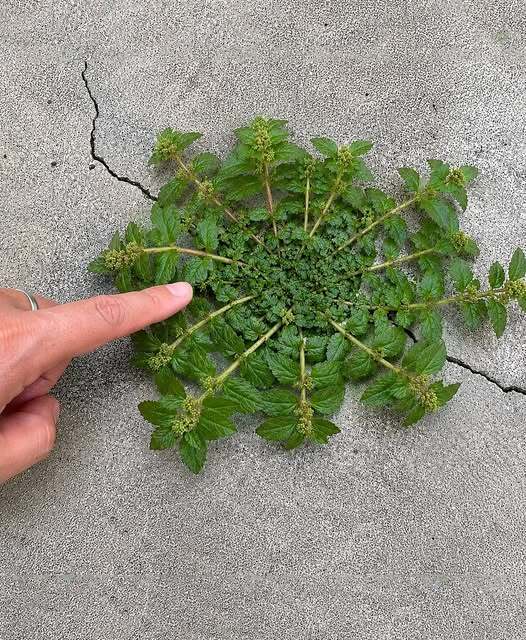
Many people remove it from their gardens without giving it a second thought, believing it is simply another common weed. However, the plant often called Santa Lucía herb has been used in traditional herbal practices for generations and continues to attract attention for its potential natural wellness benefits.
Scientifically known as Euphorbia hirta, this small wild plant is easy to recognize by its green leaves, tiny flowers, and the milky white sap that appears when the stem is broken. It commonly grows in gardens, sidewalks, damp soil, and even flowerpots.
For many families around the world, Santa Lucía herb has long been included in homemade herbal remedies and wellness routines. In traditional medicine, the plant is sometimes called the “asthma plant” because of its historical association with respiratory support.
People who use the herb in traditional preparations believe it may help support digestion, respiratory comfort, and overall wellness. Herbal teas made from the plant are commonly consumed to help ease bloating, mild stomach discomfort, coughs, and congestion. Some traditions also associate the herb with supporting fluid balance and urinary health.
One of its most popular traditional uses is as a warm herbal tea after meals. Many people believe this infusion may help promote digestion and reduce feelings of heaviness. Others value the plant during cold seasons because it is traditionally used in remedies aimed at soothing throat irritation and supporting easier breathing.
In some regions, Santa Lucía herb is also included in natural wellness routines linked to circulation and detox support because of its mild diuretic reputation. However, health experts emphasize that herbal remedies should never replace professional medical advice or prescribed treatments.
Preparing the tea is relatively simple. Traditional methods usually involve steeping a small amount of chopped leaves and stems in hot water for several minutes before straining the liquid. Still, experts recommend caution when using wild plants or herbal remedies regularly.
Pregnant or breastfeeding individuals, young children, and people with medical conditions should consult a healthcare professional before trying herbal preparations. Proper plant identification is also extremely important, since some wild plants may resemble harmful species.
Specialists further advise avoiding plants collected from polluted environments, roadsides, or contaminated soil areas.
Although modern scientific research on Santa Lucía herb is still developing, the plant remains an interesting example of how traditional herbal knowledge continues to be passed from one generation to another. Whether appreciated for cultural traditions or natural wellness practices, this overlooked plant continues to spark curiosity among people interested in herbal remedies and everyday well-being.