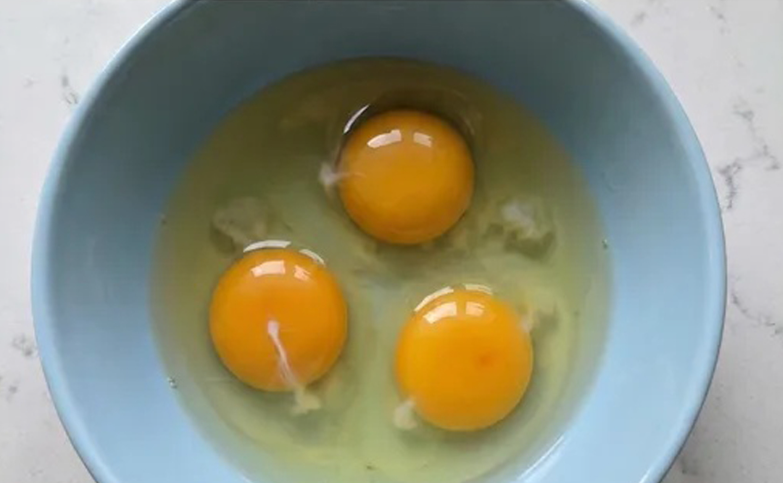
If you’ve ever cracked open an egg, you may have noticed a thin white strand attached to the yolk. At first glance, it can look unusual or even raise concerns about the egg’s quality. Many people assume it means the egg has gone bad and remove it before cooking.
In reality, this small white strand is a natural part of the egg and is perfectly safe to eat. In fact, its presence often indicates that the egg is fresh.
The strand is known as the chalaza. It is a protein structure that forms naturally during the egg’s development. Its role is simple but important: it helps hold the yolk in place, keeping it centered within the egg white.
By acting as a stabilizer, the chalaza prevents the yolk from shifting or coming into contact with the shell as the egg moves. Most eggs contain two chalazae—one on each side of the yolk—though you may only notice one depending on how the egg breaks.
The chalaza can also provide a clue about freshness. In newly laid eggs, it appears thick, firm, and clearly visible. As eggs age, this structure gradually weakens and becomes less noticeable. A prominent white strand is often a sign that the egg has been well-preserved.
From a nutritional standpoint, the chalaza is made of the same proteins found in the egg white. It is fully edible and blends seamlessly into the egg during cooking. Whether you’re frying, scrambling, boiling, or baking, it dissolves with heat and does not affect taste or texture.
There are only a few situations where cooks choose to remove it. In recipes that require an especially smooth consistency—such as custards, creamy sauces, or certain desserts—chefs may strain eggs to achieve a flawless finish. For everyday meals, however, removing the chalaza is unnecessary.
Understanding what the chalaza is can make cooking with eggs feel more reassuring. What might appear strange at first is actually a functional feature designed to protect the yolk.
The next time you spot that white strand, you can recognize it as a natural and beneficial part of the egg—not a flaw. It’s one small example of how nature carefully supports even the simplest ingredients.
With this knowledge, cracking eggs becomes a more confident and informed experience, reminding us that freshness often shows up in unexpected ways.