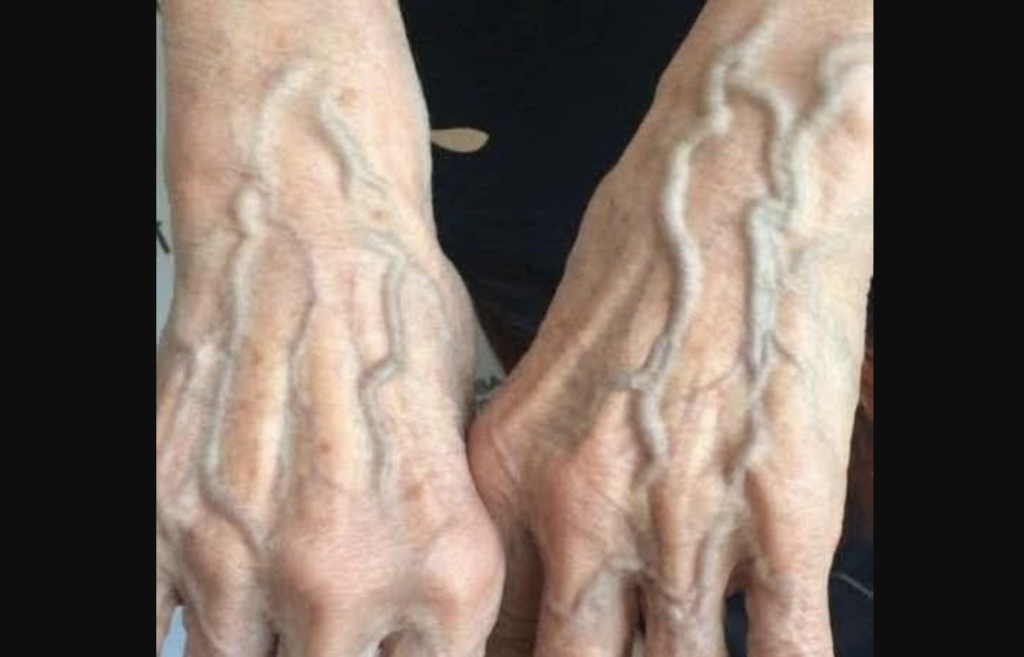
Noticing more visible veins on your hands can raise questions, especially if the change seems sudden. While it may look concerning at first, prominent veins are often linked to normal body functions, lifestyle factors, or natural physical traits. In most cases, they are harmless and temporary—but understanding the possible reasons can bring peace of mind.
One of the most common explanations is lower body fat combined with increased muscle tone. When the layer of fat beneath the skin becomes thinner, veins naturally sit closer to the surface. This is frequently seen in people who exercise regularly, particularly those who engage in strength training or endurance activities. As muscles develop, blood flow increases to support them, which can make veins appear more noticeable.
Another frequent factor is increased blood circulation or body temperature. During physical activity, hot weather, warm showers, or time spent in heated environments, blood vessels expand to help regulate body temperature. This natural response can cause veins to temporarily look larger or more defined. Once the body cools down, vein visibility often returns to normal.
Genetics also play a significant role. Some people naturally have thinner skin or larger veins, making them more visible throughout life. If prominent veins run in your family, this trait may simply be part of your inherited physical makeup rather than a sign of a health concern.
As people age, skin changes can also affect vein appearance. Over time, the skin may lose some of its thickness and elasticity, making underlying veins easier to see. These changes are a normal part of aging. Maintaining healthy habits—such as staying hydrated, protecting skin from excessive sun exposure, and following a balanced diet—can support overall skin health.
In certain situations, however, visible veins may deserve closer attention. If veins appear painful, swollen, unusually warm, or discolored, or if there is ongoing discomfort, it’s important to seek medical advice. These symptoms could be linked to circulation-related conditions that benefit from professional evaluation.
For most people, visible hand veins are not a sign of illness. They often reflect physical activity, genetics, or temporary changes in blood flow. Veins play an essential role in keeping the body functioning properly, and their visibility is usually just a normal variation of how the body works.
That said, staying aware of sudden or uncomfortable changes is always a smart approach. When in doubt, consulting a healthcare professional can help ensure peace of mind and proper care.
In many cases, visible veins are simply your body’s subtle reminder that circulation is doing its job.