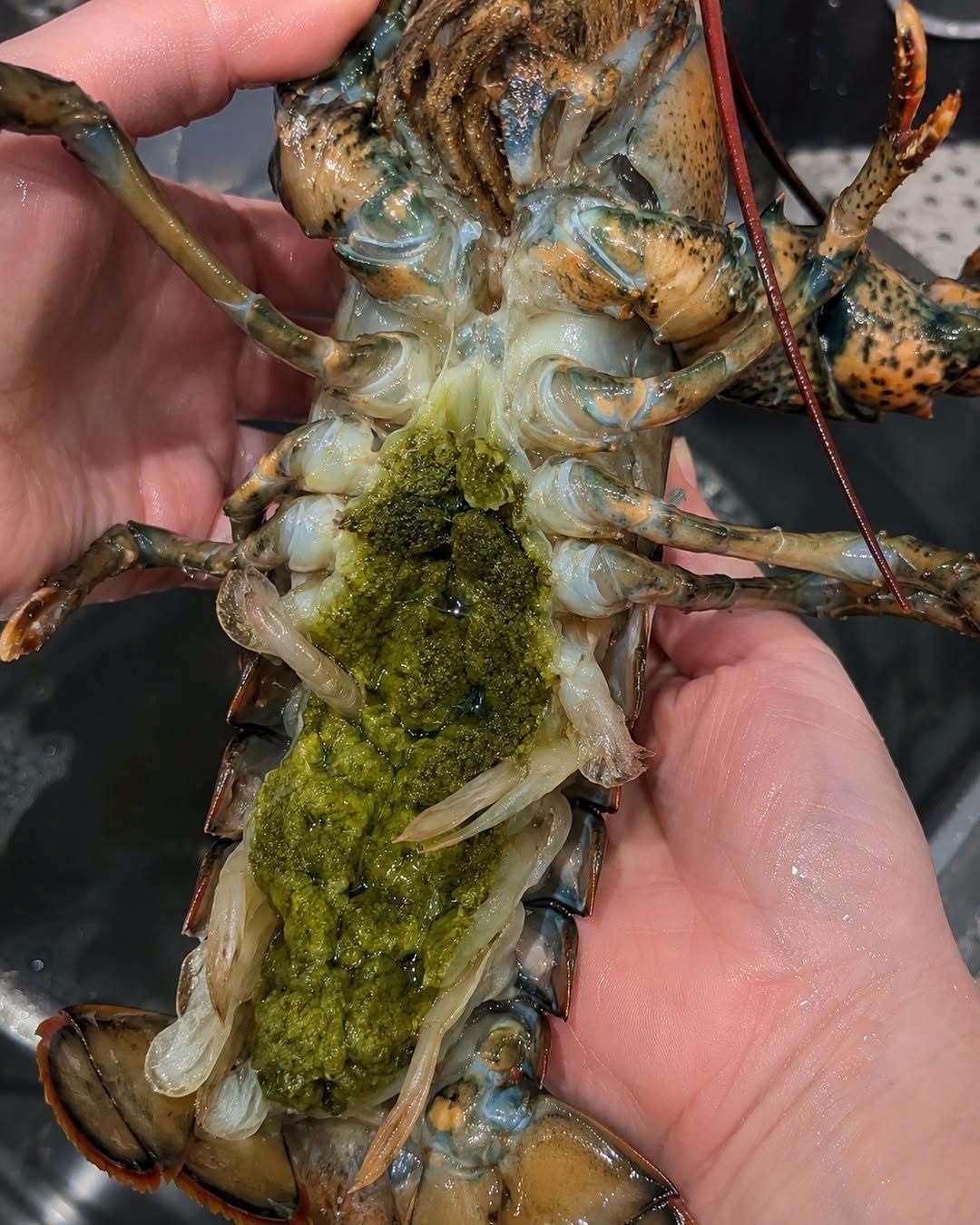
If you’ve ever cracked open a freshly cooked lobster and spotted a bright green substance inside, you may have wondered whether something was wrong with your meal. For first-time lobster eaters, the sight can be unexpected and even a little alarming. Some people assume it means the lobster is spoiled, while others believe it is a prized delicacy that should never be wasted.
The truth is that this mysterious green substance has a name, an important purpose, and a long history of debate among seafood lovers. Understanding what it is can help you decide whether you want to eat it or simply remove it before enjoying your meal.
What Is the Green Substance?
The green material found inside a lobster is called tomalley. It is a soft, creamy organ that functions as both the lobster’s liver and pancreas. Instead of having separate organs like humans do, lobsters rely on tomalley to perform several important tasks, including digesting food, storing nutrients, and helping process waste.
Tomalley is usually located in the body cavity of the lobster and has a rich green color that can vary slightly depending on the lobster’s diet and environment. Some lobsters may have darker or lighter shades of green, but this variation is completely normal.
For many seafood enthusiasts, tomalley is considered one of the most flavorful parts of the lobster. Its texture is smooth and creamy, while its taste is often described as rich, buttery, and intensely savory. Because of these qualities, some chefs use it to add extra flavor to seafood sauces, soups, and other gourmet recipes.
Why Do People Have Different Opinions About It?
Few parts of a lobster create as much discussion as tomalley. Some diners look forward to eating it every time they order lobster, while others prefer to avoid it altogether.
People who enjoy tomalley often appreciate its concentrated seafood flavor. In certain coastal communities, it has been considered a traditional delicacy for generations. It is sometimes stirred into melted butter, mixed into seafood bisques, or spread on toasted bread as part of a rich seafood meal.
On the other hand, many people choose not to eat it simply because of its appearance or texture. The bright green color can be surprising, especially for someone trying lobster for the first time. Others decide to skip it after learning more about its role inside the lobster’s body.
Neither choice is considered unusual. Personal taste plays a major role, and there is no requirement to eat tomalley in order to enjoy lobster.
Is It Safe to Eat?
Tomalley can generally be eaten in small amounts when it comes from healthy lobsters harvested in clean waters. However, because it serves as the lobster’s filtering and digestive organ, it can also collect certain naturally occurring substances from the marine environment.
During periods of harmful algal blooms, also known as red tides in some regions, marine toxins can build up inside shellfish and may become concentrated in organs such as tomalley. Environmental contaminants may also accumulate over time, depending on the quality of the water where the lobster lived.
For these reasons, food safety agencies in some countries have occasionally advised consumers to avoid or limit eating tomalley when environmental conditions increase the risk of contamination. These recommendations are usually temporary and depend on local seafood monitoring programs.
It is important to note that these advisories generally apply to the tomalley itself and not to the lobster meat. The white meat found in the claws, tail, and legs is widely enjoyed around the world and remains the primary reason most people order lobster.
Why Do Chefs Still Use It?
Professional chefs often value tomalley because it contains concentrated seafood flavor that is difficult to recreate with other ingredients. In fine dining restaurants, it has sometimes been blended into sauces to create a richer taste or incorporated into seafood dishes that highlight traditional coastal cooking.
Many classic lobster recipes from fishing communities include small amounts of tomalley because it adds depth and complexity to the final dish. However, modern chefs also recognize that some guests prefer not to eat it, so it is often served separately or removed entirely depending on the recipe.
How Can You Tell If a Lobster Is Fresh?
Fresh lobster should have firm, white meat with a mild ocean aroma. The shell should appear intact, and the meat should not have a sour or unpleasant smell after cooking.
The presence of green tomalley alone does not indicate that a lobster has gone bad. It is a natural part of the animal’s anatomy and is expected to be present in healthy lobsters unless it has been removed during preparation.
When purchasing lobster, buying from trusted seafood markets or reputable restaurants helps ensure that the seafood has been handled and stored properly.
Should You Eat the Green Substance?
The decision ultimately comes down to personal preference. Some people enjoy its distinctive taste and consider it a highlight of the meal, while others prefer to remove it before eating the lobster.
If you decide to try tomalley, choosing lobster from reliable sources and staying informed about any seafood safety advisories in your area can help you make an informed decision. If you would rather skip it, you can simply remove it and enjoy the lobster meat without concern.
Final Thoughts
The green substance inside a lobster may look unusual at first glance, but it serves an important biological function. Known as tomalley, it acts as the lobster’s liver and pancreas, helping the animal digest food and process nutrients. While many seafood enthusiasts enjoy its rich flavor, others prefer not to eat it because it can accumulate naturally occurring marine toxins under certain environmental conditions.
Learning what tomalley is allows you to make an informed choice the next time lobster is on your plate. Whether you decide to taste it or leave it aside, understanding this fascinating part of the lobster can make your dining experience both more enjoyable and more informed.