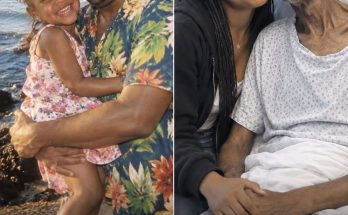
The story of Spanish actress Ana Obregón has attracted international attention because of the unusual circumstances surrounding the birth of her granddaughter, Anita. After losing her only son, Aless Lequio, to cancer, Obregón decided to pursue a path that would allow her to preserve a connection to him and honor his wishes.
The decision sparked a major public discussion about family, grief, surrogacy, and the legal and ethical questions surrounding assisted reproduction.
A Family Story Born From Grief
Aless Lequio died from cancer in 2020 at the age of 27, leaving his mother devastated. Obregón later explained that her son had previously expressed a wish to have children.
Following his death, she decided to use preserved sperm from Aless to pursue surrogacy in the United States. In 2023, a baby girl named Anita was born through a surrogate.
Although Obregón initially referred to the child in ways that created confusion, she later explained that Anita was her granddaughter and Aless’s biological daughter.
In an interview with ¡Hola! magazine, Obregón said that she planned to explain Anita’s family history to her as she grew older and help her understand who her father was.
Adjusting to Life With a Young Child
Since Anita’s arrival, Obregón has described how dramatically her daily life has changed.
Her home, once marked by the sadness of losing her son, has become a place filled with children’s toys, stuffed animals, and activities. She has spoken warmly about playing with Anita and enjoying the everyday moments of raising a young child.
She has also acknowledged that caring for a growing child can be physically demanding. As Anita gets older and heavier, Obregón says that carrying her around has become more difficult.
These comments offer a relatable glimpse into the realities of caring for a young child later in life, even amid an extraordinary family situation.
The Lasting Impact of Losing Her Son
Obregón has remained open about the profound effect Aless’s death had on her.
She has described the period following his diagnosis and death as one of the most difficult experiences of her life. Aless was diagnosed with cancer when he was still a young adult, something Obregón said changed the way she viewed life and the future.
His illness also changed the way she thinks about Anita’s safety and wellbeing.
Obregón has explained that becoming a grandmother brought happiness back into her life, but it did not erase the grief associated with losing her son. Instead, she has learned to live with two very different emotions at the same time: continuing sadness over Aless and happiness in watching Anita grow.
Why the Birth Sparked Debate in Spain
The circumstances surrounding Anita’s birth generated considerable controversy in Spain.
Surrogacy is not legally recognized in Spain in the same way it is in some other countries. Obregón therefore traveled to the United States, where the child was born through a surrogate.
Afterward, the situation received extensive media attention and prompted discussions about reproductive rights, family law, and the ethical questions surrounding surrogacy.
The case also raised questions about how families can navigate complicated legal and emotional circumstances when a child is born in another country.
Finding a New Sense of Purpose
For Obregón, Anita’s arrival appears to have brought a new chapter after several years dominated by grief.
She has spoken about feeling emotionally overwhelmed following Aless’s death and about how becoming a grandmother gave her a reason to focus on the future.
At the same time, she has emphasized that the happiness Anita brings does not replace the relationship she had with her son.
That distinction is important to understanding her story. Her experience reflects how grief and happiness can exist alongside one another, particularly when a major life change follows a devastating loss.
Looking Ahead
As Anita grows older, Obregón says she wants her granddaughter to know about her father and understand the important place he holds in the family’s history.
The story continues to attract attention because it combines personal loss with complicated questions about family, reproductive technology, and international law.
For Obregón, however, the situation is ultimately much more personal than the headlines suggest. It is a story about losing a child, becoming a grandmother, and trying to build a meaningful future while keeping the memory of a loved one alive.
Her experience has also encouraged wider conversations about the many different ways modern families can be formed and about the emotional challenges that can accompany those decisions.