
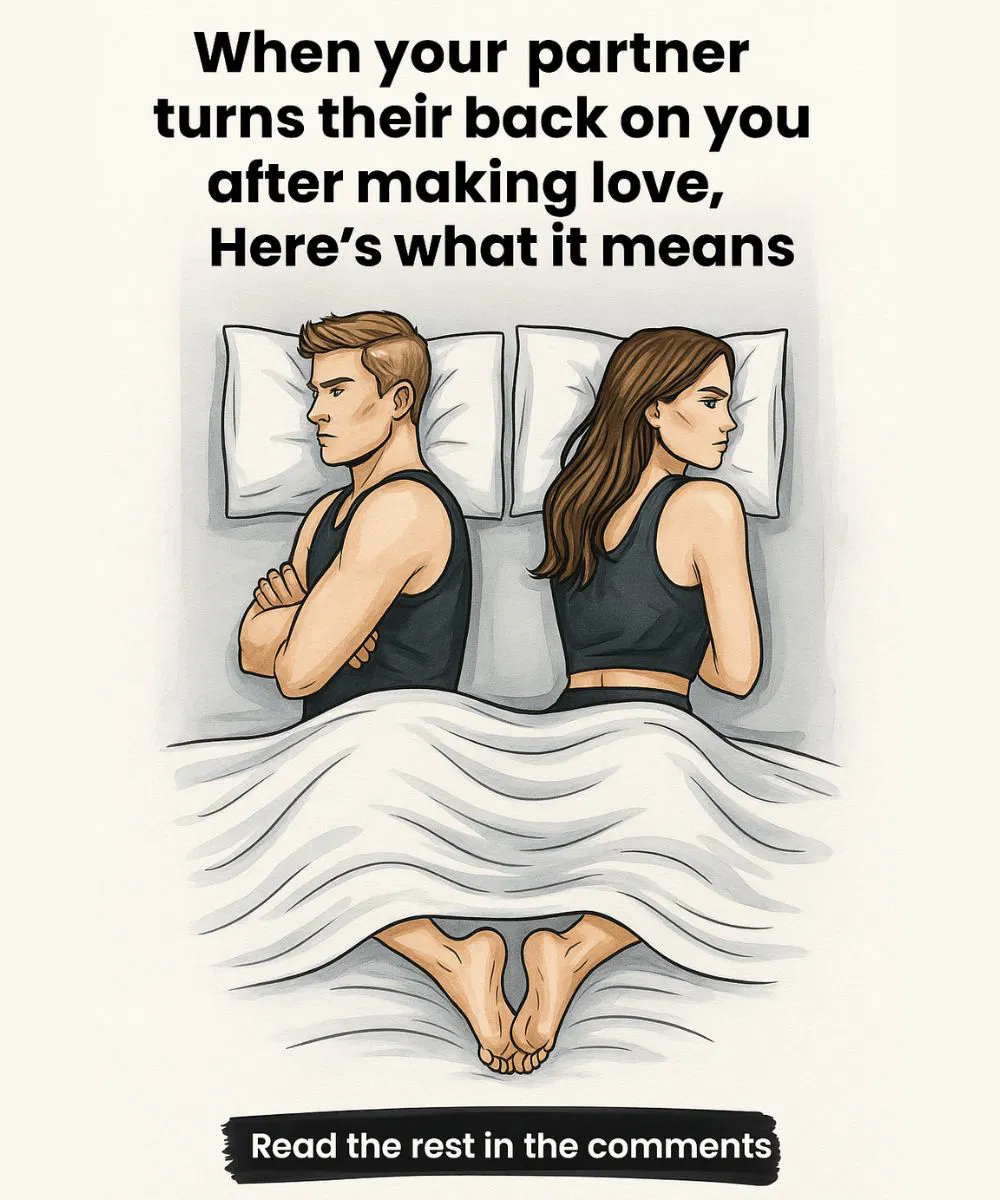
What It Really Means When Your Partner Turns Away After Intimacy
You have just shared a tender, deeply personal moment with your partner, and then suddenly, they turn away. You lie there wondering what it means. Is it distance? Discomfort? Or simply nothing at all? Before your mind starts racing, take a breath. This quiet gesture can reveal more than words, or absolutely nothing at all.
The truth is that a single behavior rarely has a single meaning. Human beings are complicated, and the moments after intimacy are especially so. This guide walks through the most common reasons a partner might turn away, when it is worth a conversation, and how to talk about it without turning a small moment into a big fight.
1. They Might Just Need a Moment to Breathe
After emotional or physical closeness, some people simply need a moment to recalibrate. For them, intimacy can feel like an emotional high: beautiful, but overwhelming. Turning over is not rejection. It is a way to come back to calm, like a quiet exhale after holding your breath.
Some therapists suggest that people process closeness at different speeds. One partner may want to linger in connection, while the other needs a few minutes of stillness before reconnecting. Neither style is wrong. They are just different, and understanding that difference can prevent a lot of unnecessary hurt.
2. Comfort Could Be the Only Reason
Not every action carries deep meaning. Sometimes it is just about physical comfort. Maybe the blanket is too heavy, the pillow is off, or they always sleep facing a certain direction. Everyone has a preferred sleep position, and turning away might be pure habit, not heartache.
Before reading emotion into the gesture, consider the boring explanations first. Sleep researchers note that most adults have a consistent preferred sleep position that has nothing to do with their relationship. If your partner turns the same way every night, after intimacy or not, it is probably just how they sleep.
3. They May Be Processing Their Emotions
Intimacy can stir powerful emotions: vulnerability, nostalgia, even fear. If your partner turns away, they might be quietly sorting through their feelings. It is not distance. It is reflection.
This is especially common for people who find emotional openness difficult. Physical closeness can open a door they are not quite ready to walk through, and turning away is a way to manage the flood. Give them space to breathe, and they may open up once they have processed what they are feeling. Pressuring them to talk in that moment usually backfires.
4. They Could Be Protecting Their Emotional Space
For many people, emotional closeness feels more intimidating than physical connection. Turning away can be a form of gentle self-protection, not a rejection of you, but a way to manage overwhelming emotions. Some attachment research suggests that people with avoidant tendencies may instinctively create small distances after moments of closeness, not because they do not care, but because closeness itself feels activating.
This does not mean something is wrong with them or with you. It means they regulate closeness differently. Understanding this pattern, with compassion rather than judgment, is often the first step toward bridging it.
5. It Could Simply Be Routine
Some habits are deeply ingrained, like always sleeping on a particular side of the bed. If your partner consistently turns away in the same direction every night, it is probably just routine. No hidden meanings, no secret messages, just muscle memory at work.
Pay attention to patterns. A behavior that happens every single night, in every context, is almost certainly not about you. A behavior that started suddenly, or that comes with other changes, deserves a closer look.
6. When It Might Signal Something Deeper
Sometimes, the gesture does mean something, and it is worth paying attention when it comes with other signs. Consider having a conversation if turning away is accompanied by:
- A noticeable drop in affection or communication overall
- Avoiding eye contact or conversation after intimacy, consistently
- Less interest in physical closeness over time
- Tension, irritability, or emotional withdrawal in daily life
- A gut feeling that something has shifted, persisting for weeks
None of these prove a relationship is failing. But together, they can indicate that something needs attention. Small changes are often early signals, and addressing them early is easier than addressing them late. Think of it as maintenance, not crisis.
7. How to Talk About It Without Starting a Fight
The best approach is kind, open communication. The goal is understanding, not accusation. Timing and tone matter enormously.
Do:
- Choose a neutral moment, not right after intimacy and not during an argument.
- Use "I" statements: "I have noticed I feel a little distant when we turn away from each other, and I wanted to talk about it."
- Ask with curiosity: "I have been wondering what that moment is like for you."
- Listen to the answer without immediately rebutting it.
Do not:
- Accuse: "You always turn away from me, you obviously do not care."
- Demand immediate change without understanding the reason.
- Bring it up repeatedly if you have already discussed it; that becomes pressure.
- Assume the worst before you have asked.
A simple, gentle opener often works best: "I love our time together, and I have been curious about something. Can we talk about it?" Most partners respond well to curiosity. Almost no one responds well to a courtroom cross-examination in bed.
8. Building a Stronger After-Intimacy Connection
Whatever the reason for the turning away, most couples can build a warmer post-intimacy routine with small, intentional habits:
- Agree on a small ritual. Even two minutes of holding hands, a shared stretch, or a few words of appreciation can satisfy both the partner who needs closeness and the one who needs space.
- Name your needs. "I feel most connected when we cuddle for a bit after" is a clear, kind request. Your partner cannot meet a need they do not know about.
- Respect different speeds. If one of you needs a few quiet minutes first, that is fine. Connection can happen after the pause.
- Keep the big talks for daytime. Post-intimacy is for warmth, not for processing relationship problems.
Frequently Asked Questions
Is it normal for a partner to turn away after intimacy?
Yes, it is very common, and it is usually about comfort, habit, or personal processing style rather than the relationship. Context and patterns matter more than any single moment.
Does turning away mean my partner is losing interest?
Not on its own. Losing interest usually shows up across many areas: less communication, less affection, less effort. One sleep position is not evidence of a fading relationship.
How do I bring it up without sounding insecure?
Frame it as curiosity about them, not a complaint about you. "I have wondered what you are thinking in those quiet moments" feels very different from "Why do you always turn away from me?"
What if my partner gets defensive when I ask?
Back off and try again later in a calmer moment. Defensiveness often means the timing was wrong or the question felt like an attack. Reframe with gentleness and try once more.
Should couples always cuddle after intimacy?
There is no rule. Some couples love it, others prefer space, and both are fine. What matters is that both partners feel cared for, whatever form that takes.
The Takeaway
When your partner turns away after intimacy, the meaning is usually far less dramatic than your 2 a.m. thoughts suggest. Comfort, habit, processing style, and the simple need for a quiet moment explain most of it. But your feelings about it are valid too, and they deserve a conversation, held with kindness, at the right time. The couples who thrive are not the ones who never misunderstand each other. They are the ones who stay curious enough to ask, and generous enough to listen to the answer.


