
What Scientists Want Adults to Understand About Long-Term Cannabis Use
Beyond the Headlines
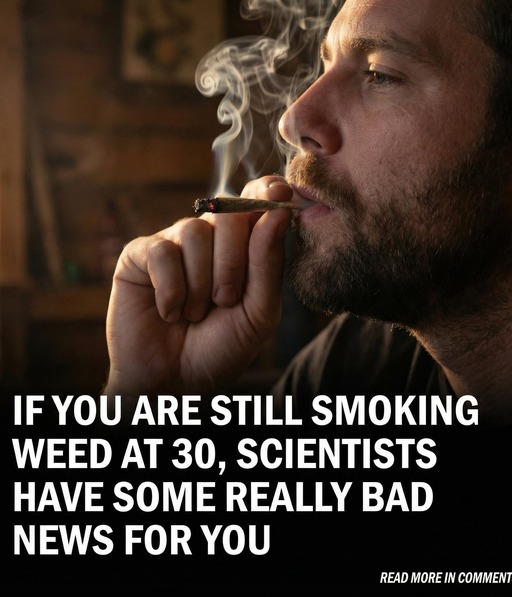
As cannabis becomes more widely accepted and legalized in many parts of the world, adults are increasingly open about their long-term habits. Yet every time new research is published, the headlines can sound dramatic, suggesting that anyone still using cannabis past their 20s is facing serious trouble. These attention-grabbing summaries often miss the real point of the studies.
When you look at what scientists are actually saying, the message is much more balanced, thoughtful, and helpful for adults who want to make informed choices. Researchers are not trying to shame adults who still enjoy cannabis. Instead, they are studying long-term patterns to understand how regular use may influence health, daily functioning, and overall wellbeing.
This article breaks down what the science actually says, without the hype and without the moralizing, so you can understand the real picture.
What Long-Term Studies Actually Examine
Scientists examine long-term cannabis use to better understand patterns of effects over time. Rather than asking the simplistic question "is cannabis good or bad," researchers investigate nuanced questions: How does frequency matter? Does potency change the equation? What about the age when someone started? How do lifestyle factors interact with use?
Many studies point to potential changes in memory, concentration, or motivation over time, but the degree of impact varies widely among individuals. This variability is one of the most important findings in the field. Two people with similar usage patterns can experience very different outcomes, which means population-level headlines rarely tell any individual's story.
Factors such as frequency of use, the amount consumed, the potency of the product, the age of first use, and a person's general lifestyle all play a significant role in how cannabis affects the body and mind. Just like with alcohol, caffeine, sleep habits, or diet, long-term behaviors shape health in noticeable ways. Cannabis is no different.
The Key Variables That Matter Most
If there is one message scientists want adults to grasp, it is that "cannabis use" is not a single, uniform behavior. The details matter enormously:
- Frequency: Daily use and occasional weekend use are profoundly different patterns with different risk profiles. Most concerning findings in research are concentrated among heavy, daily users.
- Potency: Modern cannabis products are far stronger than those of previous decades. High-THC concentrates carry different risks than low-dose edibles or balanced THC/CBD products.
- Age of first use: Starting in adolescence, when the brain is still developing, is associated with greater long-term effects than starting as an adult.
- Method of consumption: Smoking carries respiratory risks that edibles, tinctures, or vaporizing do not. Each method has its own profile.
- Duration: Years of continuous use differ from intermittent periods of use across a lifetime.
- Individual biology: Genetics, mental health history, and overall lifestyle modify how cannabis affects each person.
Understanding these variables is empowering. It means the conversation is not "use versus abstain" but rather "how, how much, and in what context."
Cognitive Effects: What the Research Shows
The most studied area of long-term cannabis use is cognition, particularly memory, attention, and executive function. Here is what scientists have found:
- Short-term memory: Heavy, long-term use is associated with measurable differences in verbal memory and learning. These effects are most pronounced during active heavy use.
- Attention and focus: Some studies show reduced attentional performance among chronic users, though findings are mixed and often modest.
- Reversibility: Importantly, several studies suggest that cognitive differences diminish significantly after sustained abstinence, particularly in adult-onset users. The brain shows remarkable capacity for recovery.
- Motivation: The stereotype of the unmotivated cannabis user has some basis in research on heavy use, but the relationship is complex. It is difficult to separate cannabis effects from pre-existing differences in personality and mental health.
Scientists emphasize that these findings describe averages across groups, not destinies for individuals. Many long-term adult users show no measurable cognitive deficits, particularly those who use moderately.
Mental Health Considerations
The relationship between long-term cannabis use and mental health is one of the most carefully studied, and most misunderstood, areas:
- Anxiety and depression: Some adults use cannabis to manage these symptoms and report benefit. However, heavy use is also associated with higher rates of anxiety and depressive symptoms in some studies. The direction of causation remains debated.
- Psychosis risk: This is the area of greatest scientific concern. Heavy use of high-potency cannabis, especially starting in adolescence, is associated with increased risk of psychotic disorders in vulnerable individuals. For adults without personal or family history of psychosis, the absolute risk remains low.
- Dependence: About 9 percent of users develop cannabis use disorder, with higher rates among those who start young or use daily. While less severe than dependence on alcohol or opioids, it is real and can interfere with daily functioning.
- Sleep: Many adults use cannabis as a sleep aid. It may help with falling asleep, but research suggests heavy long-term use can disrupt sleep architecture and REM sleep.
The key scientific message: mental health history matters. Adults with personal or family histories of psychosis, severe anxiety, or depression should be especially thoughtful about use and ideally discuss it with a healthcare provider.
Physical Health: The Lesser-Discussed Side
While cognitive and mental health effects get the most attention, researchers also study physical impacts:
- Respiratory: Regular smoking of cannabis is associated with chronic bronchitis symptoms, though the link to serious lung disease appears weaker than with tobacco.
- Cardiovascular: Cannabis temporarily increases heart rate and blood pressure. For adults with cardiovascular conditions, this warrants caution and medical consultation.
- Immune and inflammatory effects: Research is ongoing, with some evidence of both anti-inflammatory properties and immune modulation. The clinical significance remains unclear.
- Reproductive health: Heavy use has been associated with hormonal changes, though findings are inconsistent and more research is needed.
Notably, unlike alcohol and tobacco, cannabis has not been conclusively linked to increased mortality or to cancers in the way those substances have, though research continues.
Harm Reduction: The Practical Science
Rather than framing the issue as all-or-nothing, many researchers advocate harm reduction: practical strategies that reduce risks while respecting adult autonomy:
- Choose lower-potency products and be cautious with concentrates.
- Avoid daily heavy use if possible; tolerance breaks can reset sensitivity and reduce risks.
- Do not start young. Delaying first use until the brain is fully developed (mid-20s) significantly reduces long-term risks.
- Avoid smoking in favor of edibles, tinctures, or other non-combustible methods to protect lung health.
- Be mindful of mental health. If use is worsening anxiety, motivation, or mood, take it seriously.
- Do not drive impaired. Cannabis affects reaction time and judgment. This is non-negotiable.
- Talk to your doctor, especially if you take other medications or have health conditions.
Why Balanced Messaging Matters
Scientists are often frustrated by how their work is covered. Nuanced findings about heavy use in vulnerable populations become "cannabis rots your brain" headlines. Balanced findings about moderate adult use become "scientists say weed is totally safe" headlines. Both distortions harm public understanding.
The reality, as researchers describe it, is genuinely in the middle: cannabis is neither harmless nor devastating for most adult users. It is a psychoactive substance with real effects, real risks that scale with dose and frequency, and real variability between individuals. Adults deserve this honest, detailed picture, not scare tactics and not cheerleading.
As legalization expands and research continues, the science will keep evolving. The most scientifically literate approach is to stay curious, stay moderate, pay attention to your own body and mind, and make decisions based on evidence rather than headlines.
Frequently Asked Questions
Does long-term cannabis use damage the brain?
Heavy, long-term use is associated with differences in memory and attention, but effects vary widely between individuals and appear partially reversible after sustained abstinence, especially in those who started as adults. Moderate use shows much weaker associations.
What is the biggest risk factor for negative outcomes?
Heavy, daily use of high-potency products, particularly starting in adolescence, carries the greatest risks. Frequency, potency, and age of first use are the variables scientists emphasize most.
Can you develop dependence on cannabis?
Yes. About 9 percent of users develop cannabis use disorder, with higher rates among daily users and those who start young. It is generally less severe than dependence on alcohol or opioids but can still interfere with work, relationships, and daily life.
Is cannabis safer than alcohol?
By most measures of mortality, organ damage, and overdose risk, cannabis has a more favorable safety profile than alcohol. However, "safer than alcohol" does not mean risk-free, and the substances affect the body in very different ways.
Should adults discuss cannabis use with their doctors?
Yes, especially if you take other medications, have cardiovascular or mental health conditions, or have a family history of psychosis. Honest conversations with healthcare providers lead to better, more personalized guidance.



