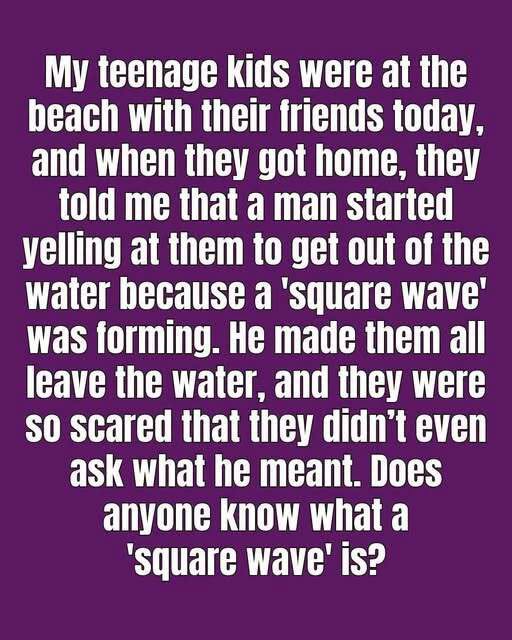
The ocean can sometimes create patterns that look almost too perfect to be natural. One of the most unusual examples is the appearance of square waves, sometimes called a cross-sea pattern. Instead of moving in one clear direction, waves appear to form a grid-like pattern across the surface.
Although the sight can be fascinating, it is important to understand what may be happening beneath the surface before approaching the water.
Why Do Square Waves Form?
Square-looking wave patterns can develop when two different wave systems travel across the same area of ocean from different directions. These wave systems may have been produced by separate weather conditions or distant storms.
When the wave patterns meet, they can create intersecting lines across the surface. From above or from the shoreline, the result may look remarkably geometric, almost like a checkerboard.
The pattern itself is not necessarily a sign that a dangerous event is occurring. However, the water conditions associated with crossing waves can be complicated and may change quickly.
Why Can These Conditions Be Risky?
When waves travel in different directions, the movement of the water can become less predictable. For swimmers, this may make it more difficult to maintain a comfortable position or make steady progress toward shore.
Boaters can also face challenging conditions because waves approaching from multiple directions can make navigation more difficult. The situation may become especially concerning when strong winds, currents, or changing weather are present at the same time.
Importantly, the surface of the ocean does not always show everything happening underneath it. A relatively calm-looking area can still contain strong currents or changing water movement.
What Should You Do If You See Square Waves?
If you notice a pronounced crossing-wave pattern while visiting the coast, the safest approach is to stay on shore and observe it from a safe distance.
Avoid entering the water simply because the conditions look unusual or interesting. This is especially important if you are unfamiliar with the area, if warning signs are present, or if local authorities or lifeguards recommend staying out of the water.
If you are already in the water and conditions begin changing, move toward a safe exit when possible and follow instructions from lifeguards or local authorities.
Don’t Rely Only on Appearance
One of the most important lessons from unusual ocean patterns is that appearance can be misleading. The sea can look beautiful and relatively peaceful while still containing currents and wave movements that are difficult to predict.
Taking a photograph from a safe location is very different from entering the water to get a closer look. There is no need to put yourself at risk for a better view.
A Fascinating Reminder of Ocean Power
Square waves are a striking example of how different wave systems can interact. Their unusual appearance makes them fascinating to observe, but they also provide a useful reminder to respect changing ocean conditions.
Whenever the sea begins behaving in an unfamiliar way, caution is the better choice. Stay informed about local conditions, pay attention to lifeguard warnings, and enjoy unusual natural phenomena from a safe location.
The ocean can be beautiful, surprising, and powerful at the same time. Knowing when to admire it from a distance is an important part of staying safe near the water.