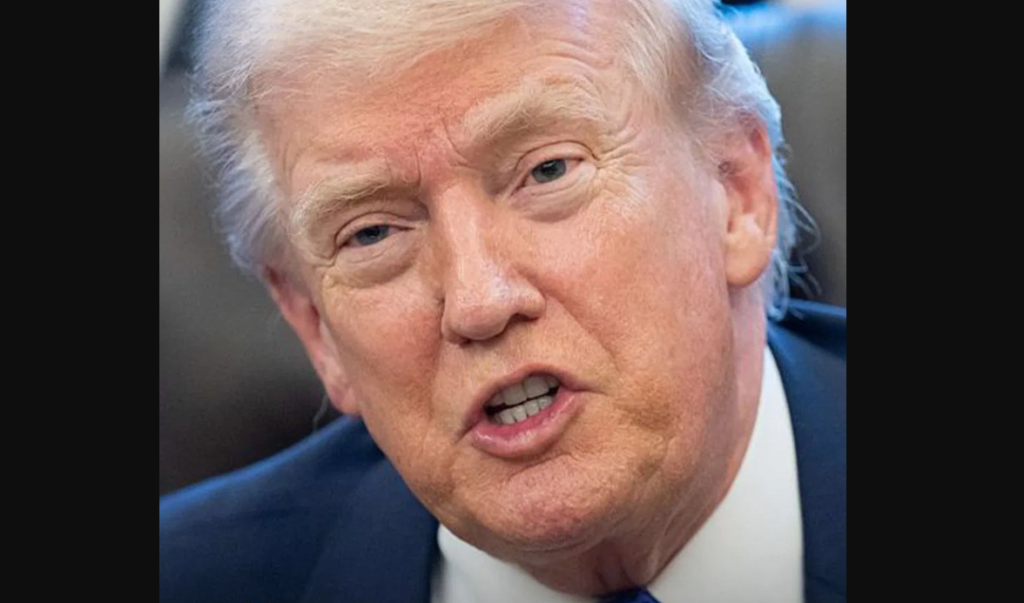
The White House has sought to calm public reaction following the removal of a controversial video shared by Donald Trump on his Truth Social account, even as the former president continues to insist that he has no reason to issue an apology.
The video, which was deleted shortly after being posted, sparked immediate criticism online due to imagery many viewers described as offensive toward former President Barack Obama and former First Lady Michelle Obama. While the clip was taken down quickly, the discussion surrounding it has continued to gain national attention.
The controversy began late Thursday night when Trump reshared a video originally produced by a group known as the Patriot News Outlet. The video focused on claims tied to a Michigan investigation and alleged technology used to influence the 2020 presidential election—an election Trump lost to Joe Biden. Trump has repeatedly raised concerns about election integrity over the past several years, despite numerous court rulings and official reviews finding no verified evidence of widespread fraud.
At first, the video appeared to follow a familiar political format, highlighting voting machines and election-related allegations. However, near the end of the clip, the tone shifted sharply. As a well-known song played in the background, digitally altered images appeared showing Barack and Michelle Obama placed into a jungle-themed setting. This segment quickly became the center of widespread backlash.
The reaction intensified as the video circulated across social media platforms. Many viewers, including historians, civil rights advocates, and everyday users, noted that such imagery has long been associated with harmful stereotypes. The timing also added to the sensitivity of the situation, as the video surfaced during Black History Month, a period dedicated to recognizing and honoring Black history and contributions.
Criticism did not come solely from Trump’s political opponents. Several prominent Republicans also spoke out. Senator Tim Scott, who has worked closely with Trump in the past, publicly stated that the video should not have been shared and that it was appropriate for it to be removed. Other conservative voices echoed similar sentiments, stressing the importance of maintaining respectful standards in political messaging.
In the hours following the video’s removal, White House officials offered differing explanations. One official suggested that the post may have been uploaded unintentionally by a staff member and was deleted once the issue was recognized. Later, during a press briefing, Press Secretary Karoline Leavitt characterized the public reaction as exaggerated and politically driven. She suggested the meme was intended to portray Trump in a symbolic leadership role while referencing familiar pop culture themes.
Those remarks, however, led to additional debate. Commentators and media analysts pointed out inconsistencies between the explanation and the content of the video, noting that the imagery did not align with the cultural references being cited. This further fueled questions about how the post was reviewed before being shared.
Trump later addressed the matter while speaking with reporters aboard Air Force One. He stated that he does not support racist content and said he was unaware of the imagery included at the end of the video. According to Trump, he only viewed the opening portion, which focused on election-related claims, and assumed the content was appropriate. He explained that the video was removed as soon as the concerning elements were brought to his attention.
Despite the deletion, Trump reiterated that he does not believe an apology is necessary, maintaining that there was no intent to offend. The incident has added to ongoing discussions about responsibility, content moderation, and the role of social media in modern political communication.
As reactions continue to unfold, the episode highlights the challenges public figures face when sharing digital content—and the speed at which online posts can spark widespread controversy in today’s media landscape.