Why Are Some Drivers Displaying Upside-Down Washington State Decals?
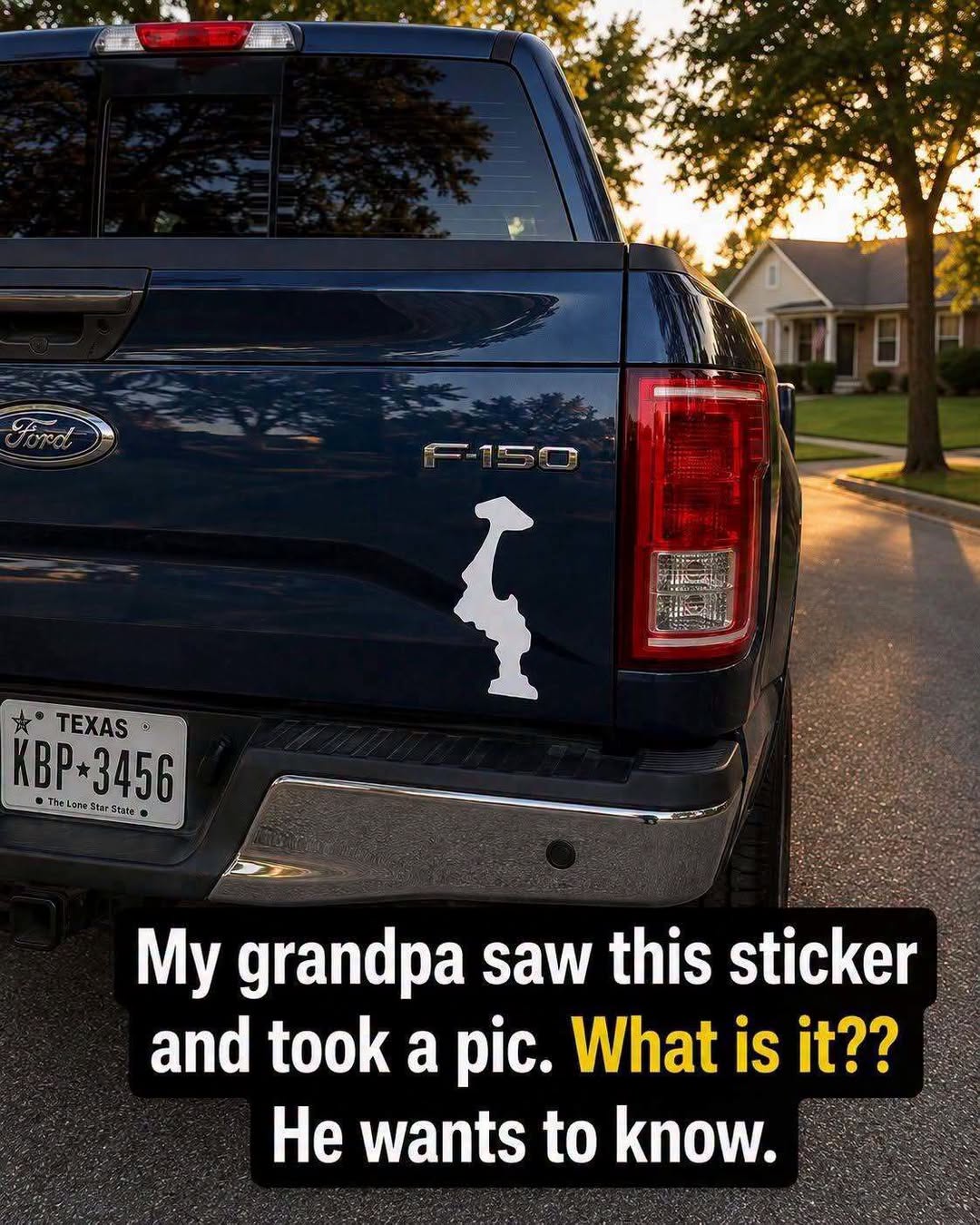
If you've traveled around the Pacific Northwest, you may have noticed an unusual design on some vehicles: an outline of Washington State displayed upside down. At first glance, it might look like a simple mistake. In many cases, however, the unusual orientation is intentional and carries a personal meaning for the person displaying it.
A Symbol of Connection to Washington
For some former Washington residents, the decal represents a lasting connection to the state, even after moving somewhere else. Washington is known for its mountains, forests, coastline, and outdoor destinations. People who have spent years living or traveling there may associate the state with important memories and experiences.
Displaying the state outline on a vehicle can be a simple way to carry those memories with them. It's a small, quiet declaration: this place shaped me, and I carry it wherever I go.
Why Is the Design Upside Down?
The upside-down design doesn't have one universally recognized meaning. Instead, people may interpret it in different ways. Some see the orientation as a playful representation of moving away from home or looking at life from a different perspective. For others, it may simply be an unconventional way to display a familiar symbol.
There doesn't appear to be a single official organization or rule that defines what the upside-down Washington design must represent. That flexibility allows individuals to give the symbol their own meaning.
This ambiguity is part of the appeal. Unlike an official logo with a fixed definition, the upside-down Washington is a personal emblem. Its meaning lives with the driver, not in a rulebook.
Possible Interpretations
- A playful nod to having moved away: home is behind you, and you're looking at it from a new angle
- Seeing life from a different perspective after leaving the familiar behind
- Simply an unconventional aesthetic choice that stands out from standard decals
- An inside reference shared among friends or fellow travelers
- A conversation starter designed to invite questions
Popular Among Travelers and Outdoor Enthusiasts
The decal can be particularly noticeable on vehicles used for road trips, camping, skiing, and other outdoor activities. For people who enjoy exploring the Pacific Northwest, Washington can hold a special place in their travel memories.
There's a natural fit here. The vehicles sporting these decals are often the ones with roof racks, mud flaps, and national park stickers: vehicles that have actually been places. The upside-down Washington joins a visual autobiography told in stickers, each one a chapter of adventures.
A simple state-shaped sticker can serve as a reminder of favorite destinations and adventures: dawn at Mount Rainier, the ferry to the San Juan Islands, rain-soaked hikes in the Olympics, or the particular gray-green light of a Puget Sound afternoon.
More Than Just a Sticker
One interesting aspect of unusual vehicle decals is their ability to start conversations. Someone who recognizes the upside-down Washington outline may have their own connection to the state. This can lead to conversations about favorite hiking spots, road trips, cities, or memorable experiences.
In that sense, the decal can become a small way for people with shared connections to recognize one another. It's a signal: I know this place too. In a parking lot full of strangers, two people can find common ground over a sticker.
Vehicle decals have always served this social function. From college stickers to national park badges to the stickers divers put on their cars, they're a way of finding your people in the wild.
A Personal Symbol With Different Meanings
Ultimately, an upside-down Washington State decal doesn't have to represent one specific idea. For one driver, it may symbolize having moved away from Washington. For another, it may represent a favorite travel destination or simply a personal connection to the region.
What looks like an unusual sticker placement may therefore have a much more personal story behind it. The next time you see an upside-down outline of Washington on a vehicle, it may be worth remembering that small symbols can carry different meanings for different people. Sometimes, a simple decal is a reminder of a place, a journey, or a chapter of someone's life.
And if you're curious, there's no harm in asking. The driver probably has a story, and it might be a good one.
In the end, the upside-down Washington decal is a perfect example of how humans turn ordinary objects into meaning. A few cents' worth of vinyl becomes a memoir, a membership badge, a joke, or a quiet tribute. We are storytelling creatures, and sometimes our stories ride around on our bumpers, waiting for someone curious enough to ask about them.
So keep an eye out on your next drive through the Pacific Northwest. That flipped outline of Washington might just be the most interesting story on the road, told without a single word. And if you ever decide to put one on your own vehicle, you'll be joining a quiet community of people who carry their places with them, wherever the road leads.
Frequently Asked Questions
What does an upside-down Washington State decal mean?
There's no single official meaning. It may represent moving away from Washington, seeing life from a different perspective, a favorite travel destination, or simply a personal connection to the state.
Is it a mistake when the decal is upside down?
In many cases it's intentional. While it might look like an error at first glance, drivers often choose the orientation deliberately for personal or playful reasons.
Who typically displays these decals?
Former Washington residents, Pacific Northwest travelers, and outdoor enthusiasts who associate the state with meaningful memories and adventures.
Is there an official organization behind the design?
No. There doesn't appear to be a single organization or rule defining the symbol, which allows individuals to assign their own meaning.
Why do vehicle decals start conversations?
They signal shared experiences and connections. Someone who recognizes the symbol may share the driver's attachment to Washington, leading to conversations about travel, memories, and favorite places.