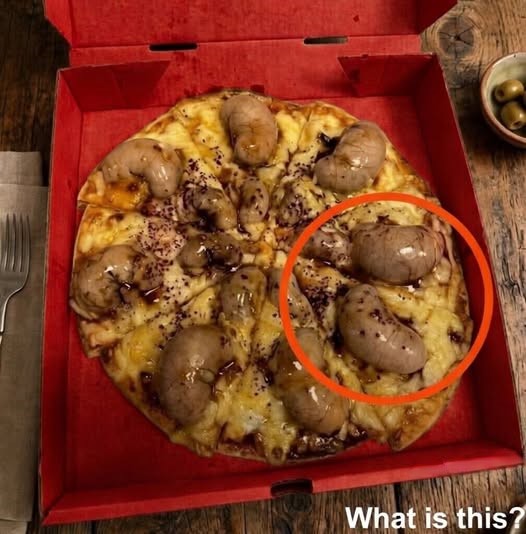
Opening a pizza box is usually a simple, satisfying moment. The warmth rises gently, the familiar aroma fills the air, and everything looks just as expected. A golden crust, melted cheese, and evenly spread toppings create a sense of comfort that comes from enjoying something you’ve had many times before.
But every now and then, that expectation shifts slightly. You might notice smooth, raised bubbles scattered across the surface of the cheese. They can be small and subtle or larger and more noticeable, catching the light and standing out against the otherwise even texture. It’s not something dramatic, but it’s enough to make you pause and take a closer look.
That reaction is completely natural. People often rely on visual cues when it comes to food. When something looks different, even in a minor way, it can create uncertainty. With something as familiar as pizza, consistency is expected, so even small variations can feel surprising.
The good news is that these bubbles are not a problem at all. In fact, they are a normal result of how pizza is cooked.
When a pizza is placed in a hot oven, a series of natural processes begins. The dough, which forms the base, contains tiny pockets of air and moisture. As the temperature rises, these pockets expand. At the same time, the cheese melts and spreads across the surface. In certain areas, the melted cheese can trap the expanding air beneath it, creating the smooth, dome-like bubbles you see.
Several factors can influence how noticeable these bubbles become. The type of cheese plays a major role. Cheeses with higher moisture content tend to release more steam as they heat, which can lead to larger bubbles forming. The temperature of the oven is also important. Higher heat can cause faster expansion, making the bubbles more pronounced. Even the thickness of the dough, the amount of sauce, and how evenly the cheese is applied can all affect the final appearance.
Because of these variables, no two pizzas will ever look exactly the same. Even when made using the same ingredients and method, small differences in heat and moisture can lead to slight changes in texture and appearance. What might seem like an inconsistency is actually a reflection of how dynamic the cooking process really is.
Once you understand this, the initial hesitation tends to disappear. The bubbles are no longer something unusual or concerning. Instead, they become a sign of how the pizza was baked. When you pick up a slice, you’ll find that everything is just as it should be. The texture remains enjoyable, the flavor is unchanged, and the overall experience is still satisfying.
In some cases, these bubbles can even add a subtle variation to the texture. When they gently collapse, they create light pockets within the melted cheese. While the difference is small, it can make each bite feel slightly more interesting without changing the taste.
This situation also highlights a broader idea. It shows how easy it is to question something simply because it looks unfamiliar. First impressions are powerful, especially when they are based on what we expect to see. However, not every difference is a negative one. Often, it’s just a natural variation that hasn’t been noticed before.
Taking a moment to understand what’s happening can turn uncertainty into curiosity. Instead of reacting quickly, learning the reason behind something can provide reassurance and even a new level of appreciation. In this case, a few bubbles on a pizza reveal the science behind baking and how ingredients respond to heat.
In the end, what seemed unusual at first becomes completely normal. The pizza is just as safe, delicious, and enjoyable as ever. Those bubbles are simply part of the process—a small reminder that even everyday foods are shaped by a combination of heat, timing, and natural reactions.
So the next time your pizza arrives with a slightly different look, there’s no need to worry. It’s just another example of how cooking works, and how even the smallest details can have a simple and harmless explanation.