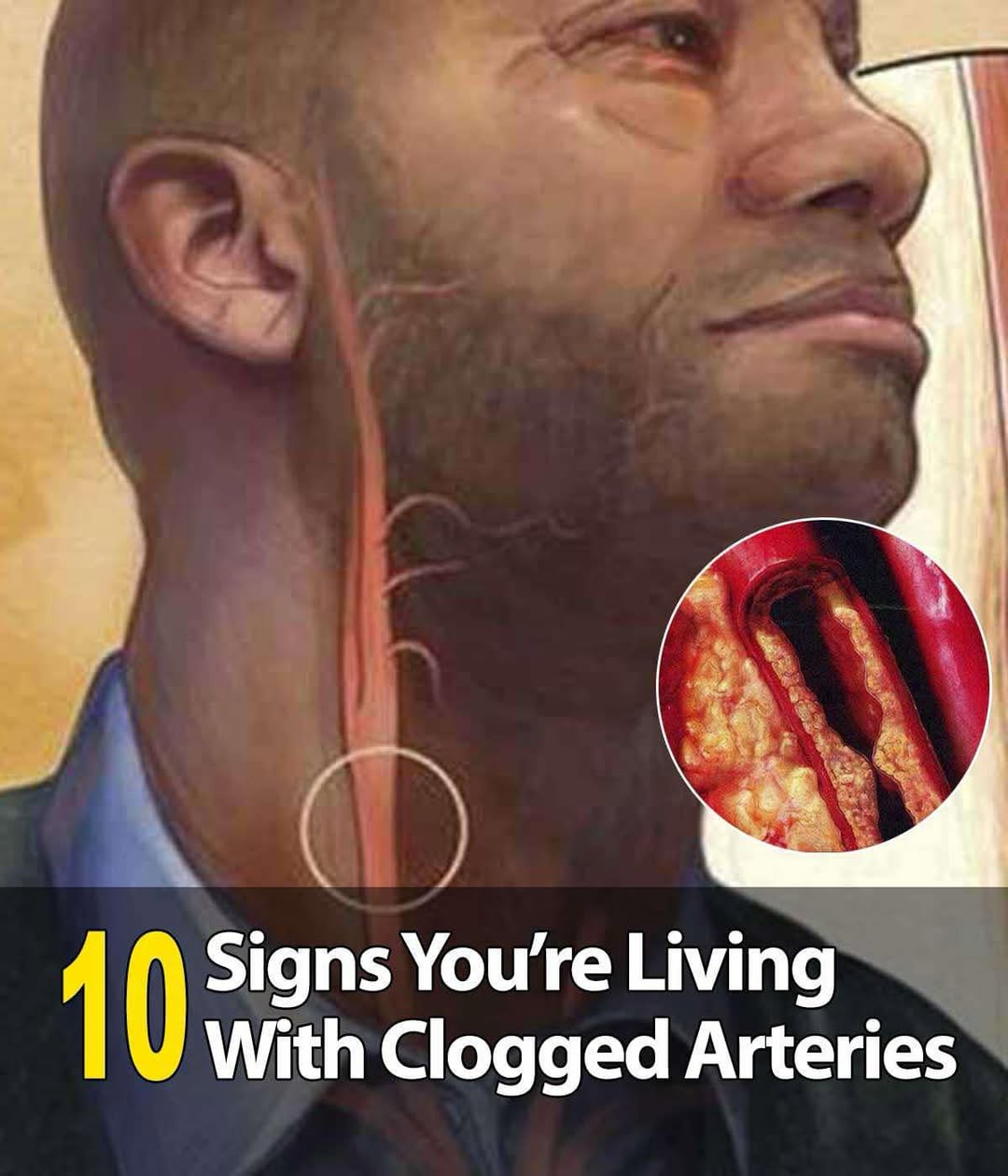
Blocked arteries can reduce blood flow throughout the body and may increase the risk of serious health problems over time. In many cases, the warning signs appear gradually and are easy to ignore at first. Paying attention to these symptoms may help you recognize when it is time to speak with a healthcare professional.
1. Chest Discomfort or Pressure
One of the most common warning signs of blocked arteries is chest discomfort. Some people describe it as pressure, tightness, heaviness, or pain in the chest area. This can happen when the heart is not receiving enough oxygen-rich blood.
2. Shortness of Breath
Feeling unusually out of breath during normal activities may be another sign that blood flow is restricted. When the heart struggles to pump efficiently, the lungs and muscles may not receive enough oxygen.
3. Pain in the Legs While Walking
Pain, cramping, or heaviness in the legs during walking that improves with rest may point to reduced circulation. This condition can occur when arteries in the legs become narrowed.
4. Fatigue and Low Energy
Persistent tiredness without a clear reason can sometimes be linked to poor circulation. When organs and muscles receive less oxygen, everyday tasks may feel more exhausting than usual.
5. Numbness or Weakness
Blocked arteries can affect circulation to different parts of the body. Some people notice numbness, weakness, or tingling sensations, especially in the arms or legs.
6. Cold Hands or Feet
Poor blood flow may cause the hands or feet to feel unusually cold. In some cases, the skin may also appear pale or slightly bluish.
7. Dizziness or Lightheadedness
Reduced blood flow to the brain can sometimes lead to dizziness, balance problems, or lightheaded feelings. These symptoms should never be ignored, especially if they happen repeatedly.
8. Jaw, Neck, or Shoulder Pain
Heart-related circulation problems do not always cause pain directly in the chest. Discomfort may spread to the jaw, neck, shoulders, or upper back.
9. Slow-Healing Wounds
Cuts or sores that take a long time to heal may be linked to poor circulation. Healthy blood flow is important for delivering oxygen and nutrients needed for recovery.
10. Sudden Changes in Physical Activity Tolerance
If activities that once felt easy suddenly become difficult, it may signal circulation problems. Climbing stairs, walking short distances, or carrying light objects may feel more tiring than before.
Why Artery Health Matters
Healthy arteries help deliver oxygen and nutrients throughout the body. Factors such as smoking, high blood pressure, high cholesterol, lack of exercise, and unhealthy eating habits may increase the risk of artery blockage over time.
Maintaining a balanced diet, staying physically active, managing stress, and attending regular medical checkups may help support long-term heart and circulation health.
When to Seek Medical Advice
Some symptoms of blocked arteries can become serious if ignored. Chest pain, sudden weakness, difficulty breathing, or severe dizziness should be evaluated by a healthcare professional as soon as possible.
Understanding these possible warning signs may encourage earlier conversations about heart health and overall wellness.