
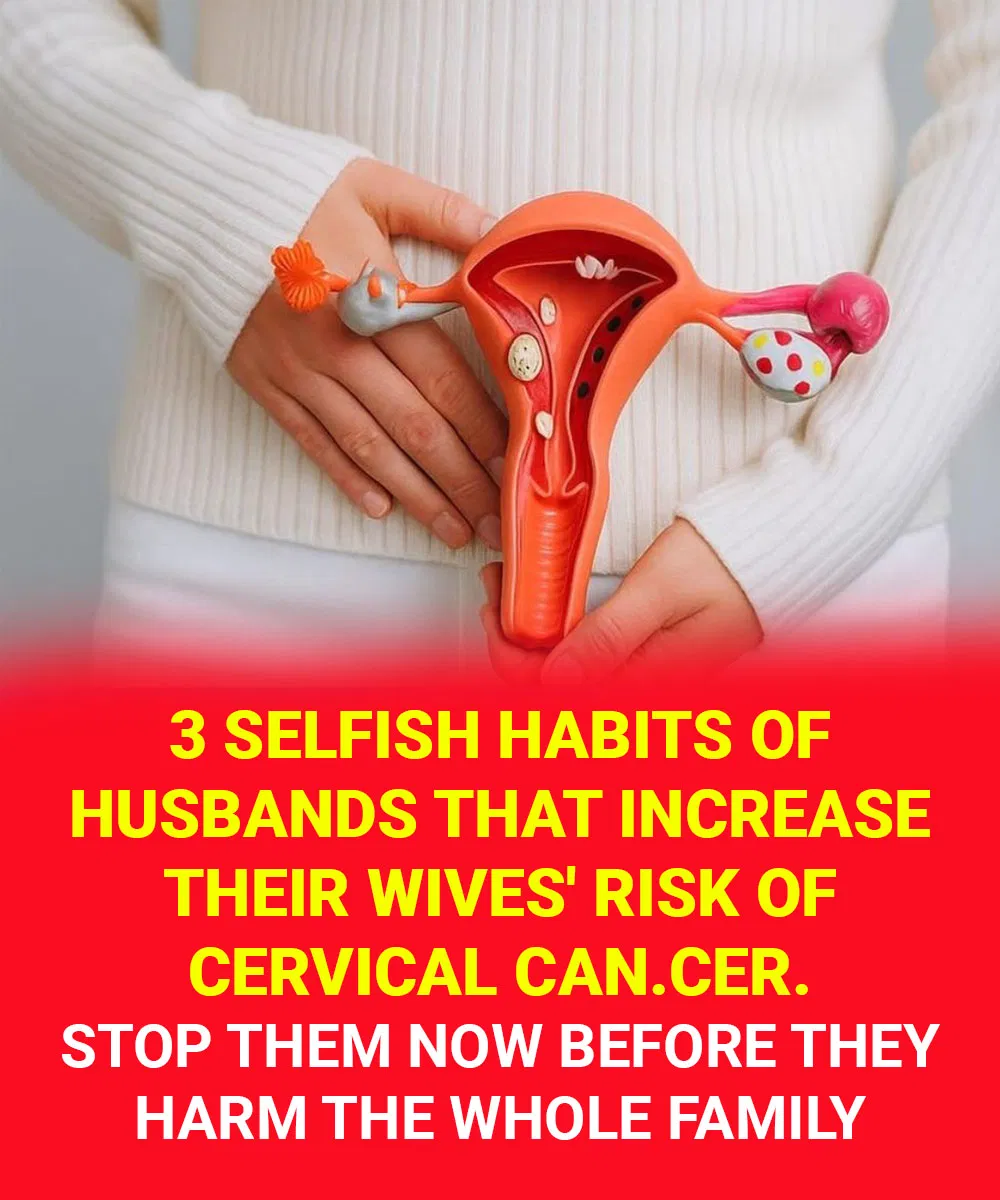
3 Harmful Habits of Husbands That May Increase Their Wives’ Risk of Cervical Cancer – Here’s Why Awareness Matters
Cervical cancer is one of the most preventable types of cancer in women, yet it continues to affect millions of families worldwide. Many people assume that it only depends on a woman’s lifestyle or medical care, but research shows that a husband’s daily habits can also play a surprisingly important role in his wife’s health.
When partners neglect their own health or overlook responsible choices in marriage, it can unintentionally raise a woman’s risk of cervical health problems. Recognizing these risk factors is the first step toward prevention, and ultimately toward protecting the entire family.
Why a Husband’s Habits Matter
Cervical cancer develops in the cells of the cervix, and the primary cause is persistent infection with high risk types of human papillomavirus (HPV). HPV is extremely common and is transmitted through intimate contact. Because it is shared between partners, the habits of both people in a marriage influence the risk.
A husband who takes his own health seriously is, whether he realizes it or not, also protecting his wife. Conversely, habits that allow infections to go unnoticed or untreated can quietly increase her risk over time. Awareness is not about blame. It is about partnership.
Habit 1: Poor Personal Hygiene, a Hidden Risk Factor
Hygiene is not only about appearance. It is about health. When husbands neglect regular hygiene practices, they may carry bacteria or viruses that can affect their spouses. Something as simple as not washing hands regularly, ignoring oral care, or neglecting cleanliness after outdoor work can increase the risk of spreading infections.
Why it matters: poor hygiene can contribute to the transmission of certain infections that are linked to cervical cancer. The genital area in particular can harbor HPV and other pathogens, and basic cleanliness reduces the chance of passing them on.
A healthier approach:
- Practice daily hygiene, including thorough washing
- Keep clothes, especially undergarments, clean and fresh
- Maintain good grooming habits and oral care
- Shower after outdoor work, exercise, or other activities that cause heavy sweating
These simple habits show respect not only for oneself but also for one’s partner, and they form the foundation of a healthy intimate life.
Habit 2: Avoiding Medical Checkups and Screenings
Many men skip regular doctor visits, often thinking they are unnecessary. However, this can pose indirect risks for their wives. Some infections remain unnoticed for years, and without checkups, they may unknowingly be passed on to a partner.
Why it matters: conditions like HPV, which is a leading cause of cervical cancer, can go undetected without screenings. Men rarely show symptoms of HPV, which means an infection can persist silently for years while being transmitted to a partner.
A healthier approach:
- Schedule regular checkups, even when feeling healthy
- Ask a doctor about HPV vaccination, which is recommended for adults up to certain ages
- Get tested when recommended, especially if there are any symptoms or concerns
- Treat any diagnosed infection promptly and completely, and inform your partner
Scheduling regular checkups, vaccinations, and health screenings not only keeps the husband safe but also acts as a protective measure for his wife.
Habit 3: Unsafe Intimacy and Lack of Communication
A marriage built on trust and respect includes responsible choices in intimacy. When husbands engage in unsafe practices, such as avoiding protection, not discussing sexual health openly, or disregarding safe habits, they may unintentionally put their wives at risk.
Why it matters: unprotected intimacy can increase the likelihood of transmitting infections that play a role in cervical cancer development. Openness matters too: couples who cannot talk about sexual health are less likely to get tested, treated, or vaccinated.
A healthier approach:
- Communicate openly about sexual health without embarrassment or judgment
- Practice safe intimacy consistently
- Make joint decisions about health care, testing, and vaccinations
- Respect boundaries and prioritize mutual comfort
Couples who talk honestly about these topics build stronger bonds and greater peace of mind, along with better health outcomes.
How Husbands Can Actively Protect Their Wives’ Health
Beyond avoiding harmful habits, husbands can take positive steps to support their wives’ cervical health:
- Support regular Pap smears and HPV testing. Encourage your spouse to stay up to date with her screenings, offer to drive her to appointments, and treat these visits as the routine health care they are.
- Promote healthy living together. Share meals rich in fruits, vegetables, and antioxidants that support immunity. Exercise together and avoid tobacco, which is linked to higher cervical cancer risk.
- Be mindful of stress. A supportive, respectful marriage reduces stress, which plays a role in overall immune health and well being.
- Stay informed. Learning about cervical cancer prevention helps both partners make wise decisions, from vaccination to screening schedules.
- Know the screening guidelines. Most guidelines recommend regular Pap smears starting in the early twenties, with HPV testing added at certain ages. A doctor can advise on the right schedule.
Understanding HPV and the Vaccine
HPV is the most common sexually transmitted infection, and most sexually active people will encounter it at some point. In most cases the immune system clears it on its own, but persistent infection with high risk types can lead to cervical cancer over many years.
The HPV vaccine is one of the great success stories of preventive medicine. It protects against the HPV types most likely to cause cervical cancer and is recommended for preteens, with catch up vaccination available for teens and young adults, and in some cases adults up to age 45. Husbands who get vaccinated reduce their own risk of HPV related cancers and reduce transmission to their partners.
When to See a Doctor
Either partner should see a healthcare provider about:
- Unusual symptoms such as persistent pelvic pain, unusual bleeding, or discharge
- Questions about HPV vaccination eligibility
- Concerns about a possible infection
- Guidance on screening schedules
Early action is always better than waiting. Most cervical health problems are highly treatable when caught early.
Frequently Asked Questions
Can a husband’s habits really affect his wife’s cervical cancer risk?
Yes. Because HPV is transmitted between partners, a husband’s hygiene, screening behavior, and intimate practices all influence his wife’s exposure to infections linked to cervical cancer.
What is the link between HPV and cervical cancer?
Persistent infection with high risk HPV types is the primary cause of cervical cancer. The virus is very common and usually harmless, but in some cases it leads to cellular changes that can become cancerous over time.
Should husbands get the HPV vaccine?
The HPV vaccine is recommended for adolescents with catch up through young adulthood, and some adults up to 45 may benefit after discussing it with a doctor. Vaccinated partners reduce transmission risk.
How often should women get screened?
Guidelines vary by age and country, but generally recommend Pap smears every few years starting in the early twenties, with HPV testing incorporated at later ages. A healthcare provider can give personalized advice.
What is the most important thing a husband can do?
Support his wife’s screening routine, take his own health seriously with regular checkups, communicate openly about sexual health, and consider HPV vaccination. Prevention is a team effort.
*This article is for informational purposes only and is not medical advice. Please consult a qualified healthcare provider about screening, vaccination, and any health concerns.*

