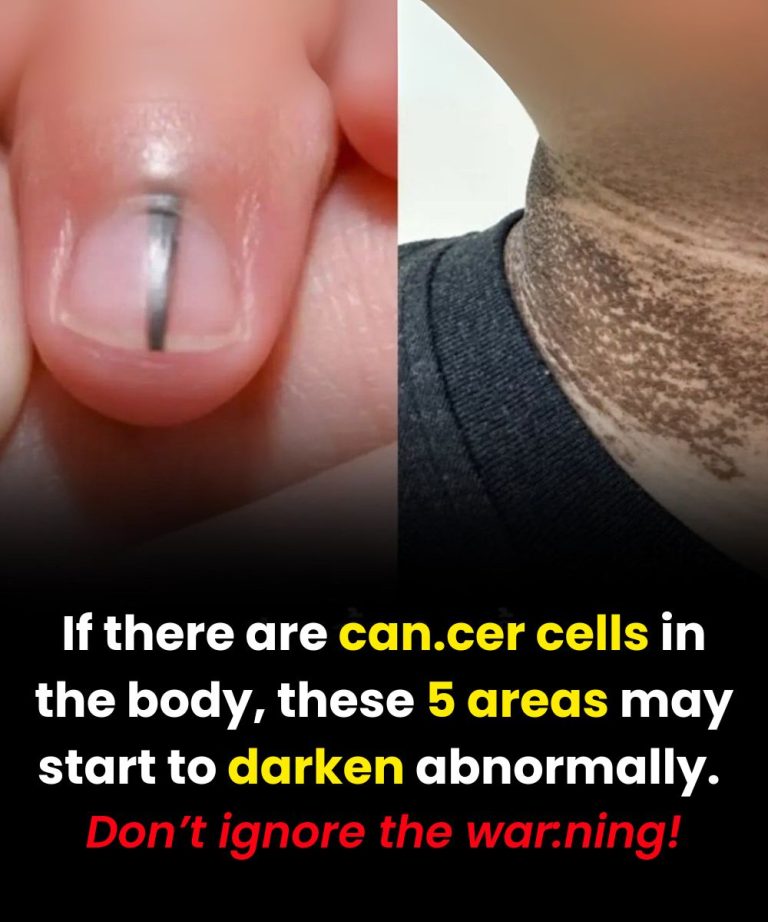
5 Areas Where Unusual Skin Darkening Deserves a Second Look
Your skin is more than a protective layer. It is also a mirror that can reflect what is happening inside your body. Shifts in color, texture, or the appearance of new patches are not always dangerous, but sometimes they can hint at underlying health issues. One condition that may cause darkened, thickened skin in certain areas is called acanthosis nigricans. This skin change is most often linked to common issues such as insulin resistance, hormonal imbalances, or excess weight. In rarer instances, it may appear alongside other serious illnesses.
Because it can be difficult to tell the difference at home, paying attention to unusual changes and speaking with a qualified healthcare professional is always recommended. Below is a closer look at five areas where unexplained darkening may warrant a medical check-up, along with practical context to help you understand what you are seeing.
What Is Acanthosis Nigricans?
Acanthosis nigricans is a term dermatologists use to describe darkened, thickened, velvety patches of skin. It is not a disease on its own. It is a visible sign that something else may be going on beneath the surface. The most commonly reported associations are insulin resistance, hormonal imbalances, and excess body weight. Certain medications can also trigger it, and in rare cases it may appear alongside more serious conditions.
The key feature is the texture. Ordinary pigmentation changes tend to look flat and smooth. Acanthosis nigricans often feels thick, rough, or velvety to the touch. If a darkened area feels noticeably different from the surrounding skin, that is a detail worth mentioning to a doctor.
1. Neck
A neck that appears consistently darker or thicker than usual, even after washing, can sometimes signal a skin reaction or an underlying metabolic issue. The back and sides of the neck are among the most common locations for acanthosis nigricans.
It is worth distinguishing between two very different situations. A gradual darkening that has been present for years and matches your family's skin patterns may simply be part of your natural pigmentation. But if the darkening appears suddenly, spreads, or becomes noticeably thicker over weeks or months, a doctor's visit can rule out possible causes. Bring a note about when you first noticed the change and whether anything else has changed in your health at the same time, such as weight shifts or new medications.
2. Underarms (Armpits)
Dark, velvety patches in the armpits are often caused by friction or cosmetic products. Deodorants, frequent shaving, and tight clothing can all irritate this sensitive area over time. Persistent thickening that appears without a clear reason, however, should be evaluated.
Practical steps that can help here include switching to a gentler deodorant, giving the skin a break from shaving when possible, and avoiding harsh scrubs. The underarm skin is delicate, and aggressive scrubbing to "remove" darkening can cause inflammation that makes pigmentation worse. If the darkening persists despite these changes, or if it feels thickened and velvety, it is time for a professional opinion.
3. Groin
Because the groin is typically covered, gradual changes here can go unnoticed. If you see darker, rougher, or itchy patches that spread or worsen, it is wise to seek medical advice to ensure nothing more serious is at play.
This area is prone to several benign causes of darkening, including friction from clothing, heat, and moisture. Fungal irritation is also common in warm, covered areas and can cause darkened or discolored patches, sometimes with itching. A doctor can distinguish between these everyday causes and changes that deserve deeper investigation. Because itchiness is common here, try to avoid scratching, which can thicken the skin further and complicate the picture.
4. Elbows and Knees
It is common to have slightly darker elbows and knees from pressure or dryness. These joints bear weight, rub against surfaces, and are naturally drier than surrounding skin, so mild darkening is usually normal.
What is less common is a sudden, dramatic change in shade or texture that does not respond to moisturizing or exfoliation. If your elbows or knees darken rapidly, develop a velvety or thickened texture, or become itchy, that is different from ordinary dryness. Persistent changes should be checked by a professional. In the meantime, regular moisturizing with a plain, fragrance-free moisturizer helps keep the skin barrier healthy, which reduces the chance of friction-related darkening in the first place.
5. Around the Lips and Eyes
Discoloration around the mouth or eyes may be linked to sun exposure, lack of sleep, or pigmentation disorders. Dark circles under the eyes are extremely common and usually relate to thin skin, visible blood vessels, fatigue, or genetics rather than disease.
Around the lips, darkening can follow repeated irritation, certain lip products, or sun exposure without lip protection. If dark patches persist despite healthy lifestyle changes or gentle skin care, it is worth mentioning them during your next medical visit. Sun protection matters here too: the skin around the eyes and lips is thin and burns easily, so a broad-spectrum sunscreen and, for lips, an SPF lip balm can help.
Other Common Causes of Skin Darkening
Not every darkened patch is acanthosis nigricans. Many other everyday factors affect skin color:
- Friction and pressure: Tight clothing, repetitive rubbing, or leaning on elbows can gradually darken skin.
- Sun exposure: UV light stimulates pigment production. Unprotected areas darken over time, sometimes unevenly.
- Post-inflammatory hyperpigmentation: After acne, rashes, burns, or injuries heal, the skin can be left darker in that spot for months.
- Melasma: Symmetrical brownish patches, often on the face, linked to sun exposure and hormonal changes.
- Medications: Some drugs can increase pigmentation as a side effect. If darkening began after starting a new medication, mention it to your doctor.
Why Skin Darkening Happens
Skin cells respond to many internal and external triggers, from hormones to friction to certain medications. Pigment-producing cells called melanocytes can become more active in response to irritation, inflammation, or hormonal signals. In rare cases, skin changes can coincide with more serious health conditions. Because the same appearance can have many different causes, self-diagnosis is unreliable.
What you can do at home is observe carefully. Note when the change started, whether it is spreading, whether the texture has changed, and whether you feel itching or discomfort. Photographs taken in the same lighting every few weeks can help you and your doctor see whether a change is stable or progressing.
When to See a Professional
If you notice sudden or unexplained darkening in any of these areas, or if it is accompanied by other symptoms such as fatigue or weight changes, a qualified dermatologist or physician can evaluate you. Early evaluation and appropriate testing help ensure that any underlying condition is identified and managed promptly.
Book a visit sooner rather than later if you notice any of the following:
- Darkening that spreads quickly over days or weeks
- A velvety or thickened texture that was not there before
- Itching, pain, or irritation accompanying the dark patches
- Other new symptoms such as unusual fatigue, weight changes, or increased thirst
- Dark patches appearing in unusual places, such as the palms or soles
Frequently Asked Questions
Is darkened skin contagious?
No. Changes in skin pigmentation are not infections and cannot spread from person to person.
Will scrubbing the dark area make it go away?
Usually not, and aggressive scrubbing can irritate the skin and make pigmentation worse. Gentle care and moisturizing are better approaches.
Can the darkening be reversed?
It depends on the cause. When darkening is linked to a treatable underlying issue, addressing that issue often improves the skin over time. A doctor can tell you what to expect in your specific case.
Should children be checked too?
Yes. Darkened, thickened patches in children deserve the same careful attention, and a pediatrician can guide the evaluation.
Your skin often speaks before the rest of your body does. Listening to it, and getting changes checked when they are unusual, is one of the simplest ways to look after your long-term health.
This article is for informational purposes only and is not medical advice. Please consult a qualified professional.