8 Body Parts Prone to Acne and Their Triggers
Acne can be a signal from your body that something isn't quite right. Although acne often results from lifestyle choices and environmental factors, it can sometimes indicate underlying health issues. Understanding where breakouts appear can help you identify likely triggers and take practical steps to prevent them. Here is a breakdown of eight common body areas where acne shows up and what may be causing it.
As always, remember to consult a dermatologist for professional medical advice and treatment if your acne is persistent or severe.
1. The Nose
The pores on our noses are larger than on other parts of our faces, making it easier for bacteria and debris to clog them. The skin here is also oilier, which adds to the problem. Breakouts on the nose can be linked to stress or diet, but they most often result from poor hygiene.
Products with tea tree oil or ingredients like sulfur can help reduce bacterial growth in this area. Keep the nose clean with gentle cleansing, and avoid squeezing blackheads, which can worsen inflammation and leave marks.
2. The Forehead
Excess oil production is the most common cause of forehead acne. Aside from medications, stress, or hormones, oily hair can transfer oil to the forehead and clog pores. Incorrect cleansers, waxes, or hair gels may also contribute.
Choose a cleanser suited to your skin type, and try to keep oily hair products away from the hairline. Wearing hats or headbands regularly can trap sweat against the forehead too, so keep them clean or wash them often.
3. Around the Mouth
Touching the area around your mouth can introduce bacteria and lead to breakouts. Hormones or genetics can also play a role. Musical instruments and cosmetics are other potential culprits. Toothpaste with strong foaming agents can irritate the skin around the lips in some people as well.
Use a gentle cleanser and non-comedogenic, oil-free products to keep pores clear. If acne in this area persists, see a dermatologist.
4. Jaw and Neck
Acne on the jaw and neck is often tied to hormonal imbalances, particularly increased androgens. It may appear during menstrual cycles or when starting or stopping birth control. This type of acne can be deeper and more painful than surface breakouts.
A non-comedogenic cleanser and appropriate acne treatments can help manage it. Because hormonal acne can be stubborn, a dermatologist may recommend treatments that address the underlying hormonal patterns rather than just the surface symptoms.
5. The Cheeks
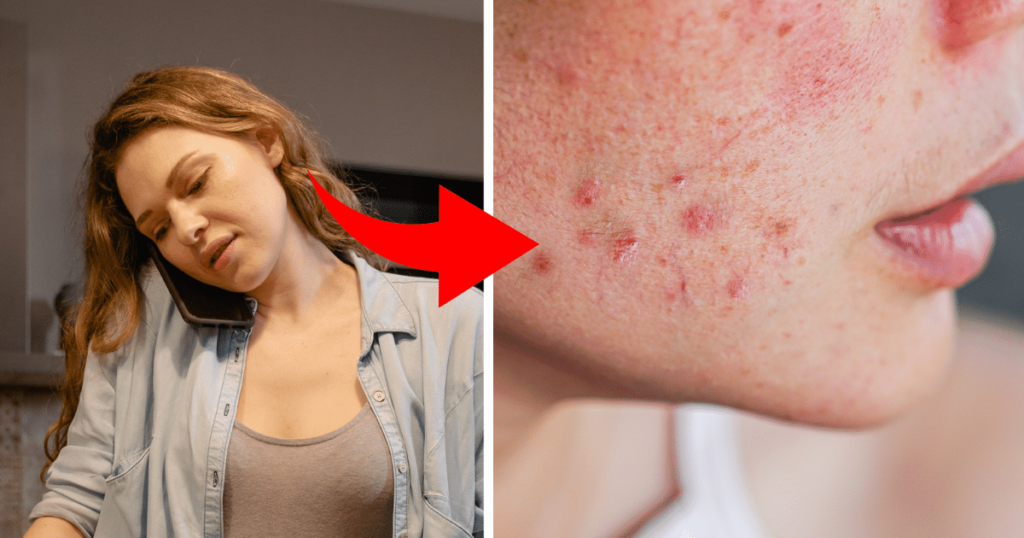
Touching your face throughout the day and resting on dirty pillowcases are common causes of cheek acne. Using a phone that presses against your cheeks can transfer bacteria. Hormones can also play a role.
Prevention is straightforward: wipe your phone down regularly, wash your hands frequently, and change your pillowcases often. This small habit makes a noticeable difference for many people.
6. The Back
Back acne can result from allergies to creams and other body products, or from sweat mixing with dead skin cells and clogging pores. Dirty clothes, bedding, and gym equipment can also contribute. Stress can be another factor.
Wash your back thoroughly, especially after sweating. Wear clean workout clothes, and shower soon after exercise instead of letting sweat dry on the skin.
7. The Legs
Acne on the legs is often caused by physical irritation from clothing or sports equipment, which can lead to bacterial buildup. It is important to distinguish true acne from lookalike conditions such as folliculitis, eczema, or keratosis pilaris, which need different treatment.
If bumps on the legs are itchy and painful, see a doctor for a proper diagnosis rather than guessing.
8. The Chest
The sensitive skin on the chest is easily irritated. Breakouts here may result from laundry detergents used to wash clothes, wearing tight clothing, or heavy body lotions with pore-clogging ingredients.
Opt for fragrance-free, hypoallergenic laundry products and choose oil-free, non-comedogenic body lotions. Breathable fabrics can help too, since trapped heat and sweat against the chest can make things worse.
General Prevention Tips
Beyond treating each area individually, a few universal habits help across the board:
- Cleanse gently once or twice a day, never scrubbing harshly
- Keep hair, hands, and phones away from your face
- Change pillowcases, towels, and workout clothes regularly
- Choose non-comedogenic skincare and makeup products
- Avoid picking or squeezing breakouts, which can lead to scarring
Paying attention to where your acne appears can give you useful clues about its triggers. Track patterns over a few weeks and adjust your habits accordingly. When breakouts are widespread, painful, or leave scars, professional help from a dermatologist is the best next step.
Common Acne Myths Worth Dropping
Myth: Acne is caused by dirty skin.
Acne is mainly driven by oil production, hormones, and clogged pores, not by a lack of washing. Over-cleansing and harsh scrubbing can actually make it worse by irritating the skin.
Myth: Only teenagers get acne.
Adult acne is common, especially along the jaw and chin in women, where hormonal shifts play a big role. Acne can appear at any age.
Myth: Popping pimples helps them heal faster.
Squeezing can push bacteria deeper, increase inflammation, and lead to scarring. It is better to leave breakouts alone or use a targeted spot treatment.
Myth: Sunlight clears acne.
Tanning may temporarily mask redness, but sun exposure can damage skin and make post-acne marks darker and longer lasting. Sunscreen remains important even for acne-prone skin.
When to See a Dermatologist
Home care and over-the-counter products handle many mild cases. Consider booking an appointment if:
- Breakouts are deep, painful, or cystic
- Acne covers large areas of the face or body
- You are developing scars or dark marks
- Over-the-counter treatments have not helped after eight to twelve weeks
- Acne is affecting your confidence or quality of life
A dermatologist can identify the type of acne you have and prescribe treatments that are not available over the counter.
Frequently Asked Questions
Does diet cause acne?
For some people, high-glycemic foods and dairy appear to trigger or worsen breakouts, though the effect varies widely. If you suspect a link, try tracking food and breakouts for a few weeks and discuss it with a professional.
Can stress really cause breakouts?
Stress increases certain hormones that can boost oil production, which may lead to more clogged pores. Managing stress through sleep, exercise, and relaxation can be a legitimate part of an acne-care plan.
How long does it take for acne treatments to work?
Most treatments need six to twelve weeks of consistent use before you can judge the results. Switching products every few days usually does more harm than good.
This article is for informational purposes only and is not medical advice. Please consult a qualified professional.