9 Devices You Should Never Plug Into a Power Strip
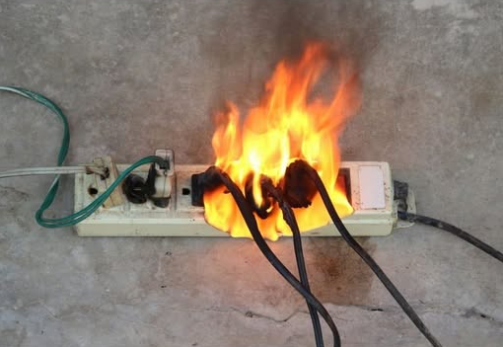
Power strips are a staple in many homes. They're convenient, affordable, and make it easy to connect multiple devices at once. But while they may seem harmless, plugging the wrong appliances into them can cause serious problems. From damaging your electronics to starting dangerous electrical fires, the risks are very real.
I learned this the hard way when one of my appliances overheated after being plugged into a strip that couldn't handle the load. Thankfully, nothing tragic happened, but it was enough to make me rethink how I use them. If this guide saves even one household from a similar scare, it will have been worth writing.
How Power Strips Work (and Why They Have Limits)
Before we dive into which devices should never be connected to a power strip, it's important to understand how they work. Each strip has a maximum power rating, usually written on the cord or the device itself. If the total wattage of everything plugged in goes beyond that number, the strip can overheat and fail.
Imagine a strip rated for 3500 watts. If you connect an oven that uses 2500 watts, a vacuum cleaner that requires 800 watts, and a kettle that needs another 250 watts, you've already gone over the safe limit. Even a small overload can create a real hazard, generating heat that damages the strip, melts insulation, and in the worst case, starts a fire.
The key principle is simple: appliances that heat, cool, or run constantly draw far more power than small electronics. Those heavy loads belong in wall outlets, not in power strips.
1. Ovens and Microwaves
Heavy-duty kitchen tools such as ovens and microwaves should always go directly into a wall outlet because of their high energy demand. A microwave alone can draw 1,000 to 1,500 watts, and a toaster oven can draw even more. Plugging these into a power strip risks overheating the strip's internal wiring, especially during long cooking sessions. Always give these appliances their own dedicated wall outlet.
2. Refrigerators and Freezers
The same rule applies to refrigerators and freezers, which require a constant supply of electricity around the clock. Beyond their high power draw, these appliances cycle on and off throughout the day, creating power surges that can wear out a strip over time. Worse, if an overloaded strip trips or fails, your fridge loses power silently, and you could lose hundreds of dollars worth of food, or worse, face food safety risks without realizing it.
3. Washing Machines and Dryers
Washing machines and dryers are also too powerful for strips and can easily trip the circuit or cause overheating. Dryers in particular are among the highest-draw appliances in any home, often requiring dedicated high-voltage circuits. Even a washing machine's motor creates startup surges that can damage a power strip. These laundry workhorses need direct wall connections, no exceptions.
4. Portable Space Heaters
Portable heaters, although small, are notorious for drawing massive amounts of power and should never be connected this way. A typical space heater draws around 1,500 watts, nearly the entire capacity of a standard power strip, all by itself. Space heaters are already one of the leading causes of home heating fires. Combining one with an overloaded power strip is a recipe for disaster. Plug heaters directly into the wall, keep them away from flammable materials, and never leave them running unattended.
5. Coffee Makers and Toasters
Even smaller appliances like coffee makers and toasters might surprise you with how much energy they use. Since they heat up quickly, they pull strong bursts of electricity that a strip isn't built to handle. A coffee maker can draw 900 to 1,200 watts during brewing. That sudden demand can overheat a strip, especially if other devices are sharing it. Give your morning brew its own outlet.
6. Air Conditioners
Like heaters, air conditioners draw enormous amounts of power and cycle on and off, creating repeated surges. A window AC unit can easily draw 1,000 watts or more. Plugging one into a power strip risks overheating, tripped breakers, and damage to both the strip and the unit. Air conditioners should always plug directly into a wall outlet, ideally on a dedicated circuit.
7. Hair Dryers and Styling Tools
Hair dryers are deceptively power-hungry, often drawing 1,500 to 1,875 watts, as much as a space heater. Curling irons and straighteners add more heat and draw to the mix. Using these in a bathroom power strip, especially near water, compounds the danger. Plug styling tools directly into a GFCI-protected wall outlet and unplug them when finished.
8. Computers and Sensitive Electronics (Without Surge Protection)
Sensitive devices such as computers, televisions, and internet boxes can also be at risk. Standard power strips don't protect against voltage fluctuations, and a surge can fry expensive electronics in an instant. Unless you are using a strip with proper surge protection, it's better to rely on a direct outlet or invest in a quality surge protector with a high joule rating. For your most valuable electronics, a surge protector or uninterruptible power supply is worth every penny.
9. Power Strips Plugged Into Other Power Strips
There's another mistake many people make: linking one power strip into another. This practice, often called daisy-chaining, is extremely unsafe. It multiplies the load on a single outlet and significantly increases the risk of electrical fires. The first strip in the chain bears the combined load of everything downstream, and it was never designed for that. If you're running out of sockets, the safest solution is to install more outlets in your home or use a properly rated surge protector for sensitive electronics.
What Is Safe to Plug Into a Power Strip?
Power strips aren't villains. They're perfectly fine for low-draw devices. Save them for lighter loads like:
- Table and floor lamps
- Phone and tablet chargers
- Small fans
- Alarm clocks and radios
- Game consoles (preferably with surge protection)
The rule of thumb: if it heats, cools, has a motor, or runs all day, give it a wall outlet. If it sips power, the strip is fine.
Warning Signs Your Power Strip Is Overloaded
Watch for these red flags that your strip is struggling:
- The strip or plugs feel warm or hot to the touch
- You notice a burning smell near the outlet
- Plugs fit loosely or spark when inserted
- The strip is discolored or warped
- Breakers trip frequently when devices are running
If you notice any of these signs, unplug devices immediately and redistribute the load. Replace any strip that shows damage. Power strips wear out over time, so replace them every few years, especially heavily used ones.
Frequently Asked Questions
Can I plug a refrigerator into a power strip?
No. Refrigerators need a constant, high-draw power supply and cycle on and off, creating surges. They should always plug directly into a dedicated wall outlet to avoid food spoilage and fire risk.
Why are space heaters so dangerous on power strips?
A typical space heater draws around 1,500 watts, nearly maxing out a standard power strip by itself. The sustained high current generates heat in the strip's wiring, which is a leading cause of electrical fires. Always plug heaters directly into the wall.
What is daisy-chaining and why is it unsafe?
Daisy-chaining means plugging one power strip into another to create more outlets. It concentrates the combined electrical load onto a single wall outlet and the first strip in the chain, greatly increasing the risk of overheating and fire.
Is it safe to plug my computer into a power strip?
Only if the strip has proper surge protection. Standard strips don't guard against voltage spikes that can damage sensitive electronics. For computers and home entertainment systems, use a quality surge protector with a high joule rating.
How do I know if my power strip is overloaded?
Check the strip's wattage rating and add up the wattage of everything plugged in. If the total exceeds the rating, it's overloaded. Warning signs include warmth, burning smells, discoloration, loose plugs, and frequently tripped breakers.