
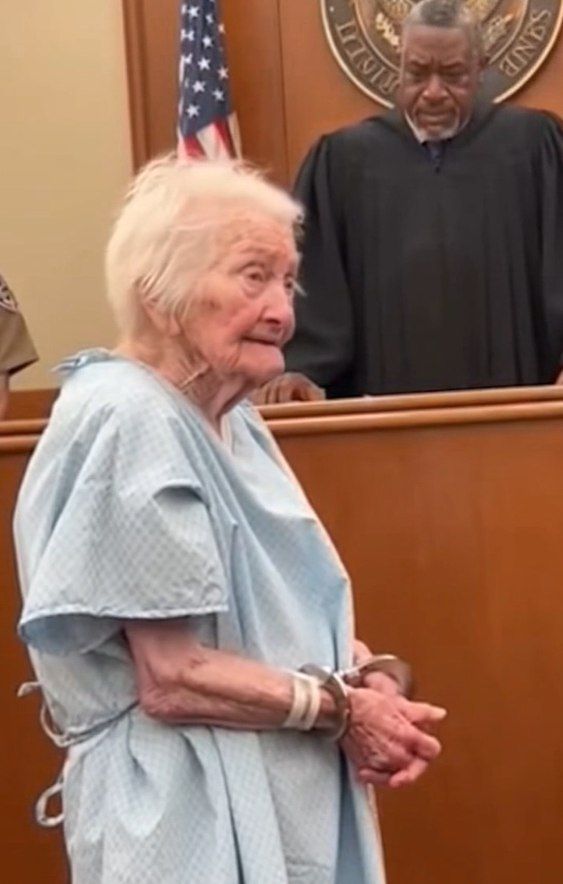
91-Year-Old Woman Arrested for Stealing Medicine for Her Sick Husband
A story has been circulating about an elderly woman, 91 years old, who was arrested after taking medicine from a pharmacy for her seriously ill husband when the couple could no longer afford the cost. In the story, the judge dismissed the charges and ordered help for the couple. It is a story designed to move us, and it does. But behind the emotional telling lies a real and serious issue that affects millions of families: elderly people struggling to afford the medications they need to stay alive.
This article does not present that anecdote as verified fact. Instead, it addresses the genuine problem underneath it: the crushing pressure of caregiving in old age, why seniors end up unable to afford prescriptions, and the real programs and strategies that can help families get medicine affordably and legally.
The Real Crisis: Seniors Who Cannot Afford Their Medicine
Prescription costs are one of the most common reasons older adults skip doses, split pills, or go without medication entirely. Surveys of seniors in the United States have repeatedly found that a significant share of older adults report not filling a prescription because of cost. For people living on fixed incomes, a sudden price increase, a lost insurance plan, or a coverage gap can turn a manageable routine into an emergency overnight.
The consequences are severe. Skipping heart medication, diabetes drugs, or blood pressure pills does not just cause discomfort. It leads to hospitalizations, strokes, heart attacks, and deaths that were preventable. When an elderly caregiver is also managing their own health problems, the situation becomes even more fragile. Desperation is not a character flaw. It is what happens when the system fails the people who need it most.
Why Costs Spiral Out of Control
Several common situations push seniors into a medication affordability crisis:
- Insurance changes. A supplemental plan lapses after a missed payment, a formulary changes, or a drug moves to a higher pricing tier. The patient discovers the new price at the pharmacy counter.
- The coverage gap. Some insurance designs leave beneficiaries paying full cost for a period each year. For expensive drugs, that gap can mean hundreds or thousands of dollars.
- Brand-name drugs without generic alternatives. Some medications have no cheap equivalent, leaving patients with no fallback.
- Multiple prescriptions. Elderly patients often take many daily medications. Even modest per-drug costs multiply into an unmanageable total.
- Fixed incomes. Pensions and social security do not rise with drug prices. Every increase eats directly into money needed for food, housing, and utilities.
Understanding which of these is causing the problem is the first step to fixing it, because different causes have different solutions.
Programs That Help Seniors Afford Medicine
Real help exists, and much of it goes unused because people do not know about it. If you or a loved one is struggling with prescription costs, look into these options:
- Medicare Extra Help (Low Income Subsidy). For eligible Medicare beneficiaries, this federal program dramatically reduces prescription costs, sometimes to just a few dollars per drug. Many who qualify never apply.
- State pharmaceutical assistance programs. Many states run their own programs that help seniors pay for prescriptions. Eligibility and benefits vary by state.
- Manufacturer patient assistance programs. Most major drug companies offer free or reduced-cost medication to patients who meet income requirements. Applications are typically available on the manufacturer's website.
- Nonprofit prescription assistance. Charitable organizations help patients afford specific expensive drugs, particularly for conditions like heart failure, cancer, and diabetes.
- GoodRx and discount cards. Free discount programs can sometimes beat insurance prices, especially for generics. Compare the discount price against your copay before paying.
- Ask about generics and therapeutic alternatives. Pharmacists can often identify a cheaper generic or a similar drug in a lower pricing tier. Always ask, and ask the prescribing doctor too.
- 90-day supplies and mail order. For maintenance medications, 90-day fills through mail-order pharmacies are often significantly cheaper per dose.
The Pharmacist Is an Underused Ally
Many people treat the pharmacy as just a pickup counter. In reality, the pharmacist is one of the most knowledgeable and accessible healthcare professionals available, and consulting one is free. Pharmacists can:
- Review all medications for duplicates, interactions, or drugs that could be consolidated.
- Suggest lower-cost alternatives and contact the doctor to request a switch.
- Explain patient assistance programs and help with applications.
- Set up synchronized refills so everything is picked up once a month, reducing trips and confusion.
- Provide pill organizers, blister packs, or other adherence tools.
If the price at the counter is a shock, do not walk away in silence. Ask the pharmacist: "Is there a cheaper option? Is there a program that could help?" That single question has saved families thousands.
Supporting the Elderly Caregiver
In many of these stories, the person in crisis is not just a patient but a caregiver: an elderly spouse managing a partner's complex medication routine while dealing with their own health issues. Caregiver burnout in old age is a quiet epidemic.
Signs a senior caregiver needs help:
- Their own medical appointments are being skipped.
- They seem confused about medication schedules they once managed easily.
- They are withdrawing from friends, activities, or community.
- They express hopelessness or say they do not know what to do.
What helps:
- Respite care. Even a few hours of relief per week can prevent burnout. Area Agencies on Aging can connect families with local respite services.
- Adult day programs. These provide supervision, meals, and activities for the care recipient while giving the caregiver a break.
- Caregiver support groups. Speaking with others in the same situation reduces isolation dramatically.
- A social worker assessment. Hospital and community social workers can identify benefits and services the family did not know existed.
- Legal planning. Powers of attorney, advance directives, and benefits planning protect both partners. Legal aid organizations often help seniors with these documents at low or no cost.
What to Do If You Cannot Afford a Prescription Right Now
If you are facing an unaffordable prescription today, take these steps in order:
- Do not skip doses without talking to someone. Call the prescribing doctor or pharmacist first. Suddenly stopping some medications is dangerous.
- Ask the doctor for samples or a short-term alternative. Doctors often have samples or can prescribe a cheaper bridge medication.
- Call the manufacturer's assistance line. Many have emergency or expedited processes.
- Contact a local Area Agency on Aging or 211 helpline. These connect you with local resources quickly.
- Ask the hospital social worker if a hospitalization is involved. They are experts at unlocking emergency assistance.
Frequently Asked Questions
What is the first thing to do when a drug price suddenly jumps?
Ask the pharmacist why, and whether a generic, a different tier drug, or a discount program would lower it. Then call the prescribing doctor to discuss alternatives.
Are patient assistance programs legitimate?
Yes. Manufacturer programs and established nonprofits are legitimate and widely used. Be cautious of any service that charges large upfront fees to "find" assistance for you.
Can a pharmacist really change my prescription to something cheaper?
A pharmacist cannot change it alone, but they can recommend alternatives and contact your doctor for approval. Many doctors welcome the suggestion.
Where do I find my local Area Agency on Aging?
In the US, the Eldercare Locator connects callers to local aging services. Similar directories exist in other countries through government health or social service departments.
What if the caregiver themselves is too frail to manage?
That is the moment to bring in outside help: home health aides, adult day programs, or a care assessment through a social worker. No one should have to manage alone past the point of safety.
The Takeaway
No elderly person should ever face the choice between breaking the law and watching a spouse suffer. The fact that stories like this resonate so deeply tells us the fear is real, even when the details are not verified. The good news is that real solutions exist: assistance programs, knowledgeable pharmacists, caregiver support services, and community resources that go unused every day. If cost is standing between someone you love and the medicine they need, start asking questions today. Help is out there, and no one should have to face that pharmacy counter alone.

