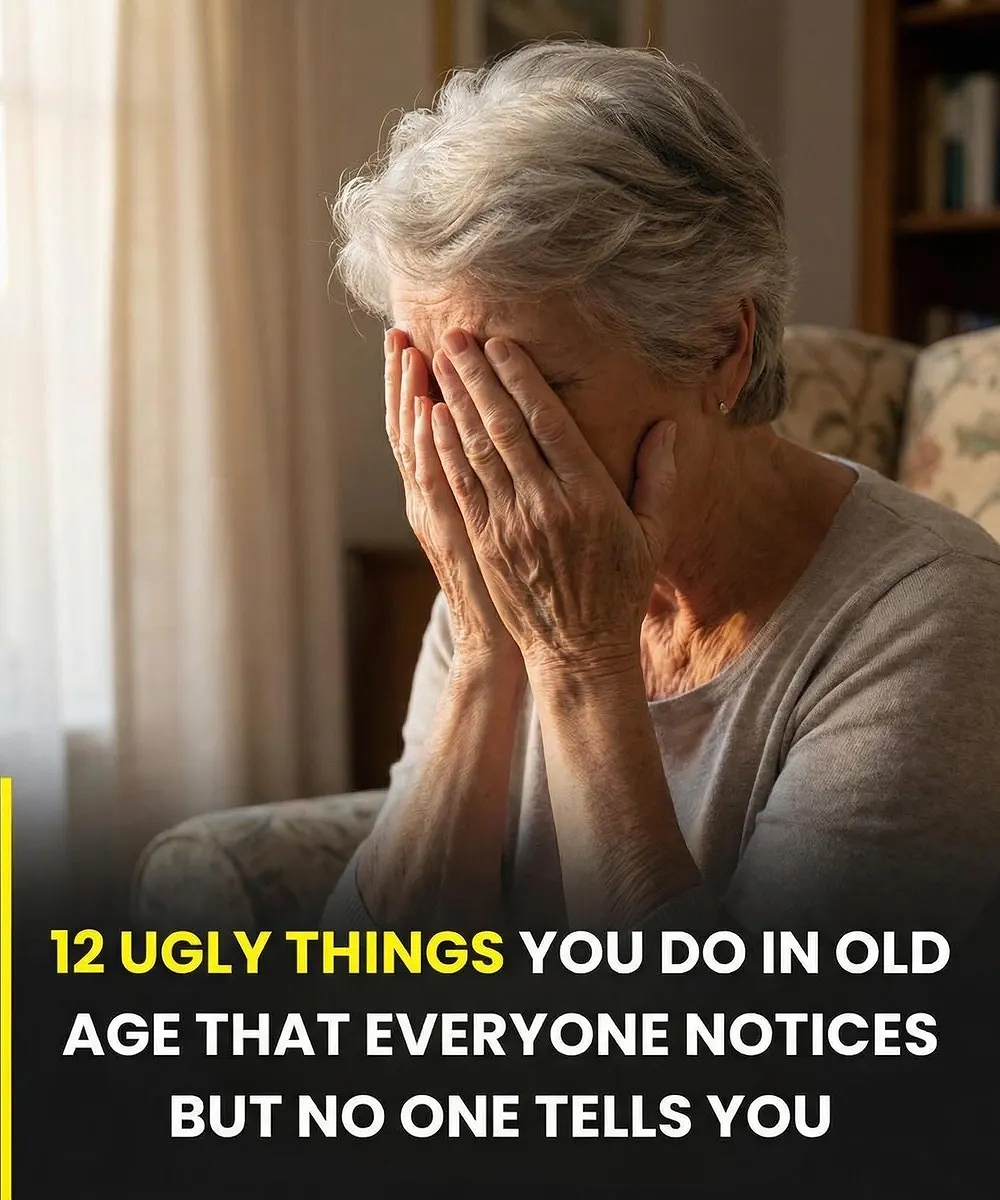
Aging is a natural and meaningful stage of life. It often brings experience, patience, and a broader perspective shaped by years of learning. Many older adults play an essential role within families and communities, offering support, guidance, and emotional stability. At the same time, like every phase of life, aging can come with everyday habits that may quietly influence relationships with others.
These behaviors are usually unintentional and rarely discussed openly, as loved ones often want to avoid causing discomfort or hurt feelings. Recognizing them is not about criticism or blame. Instead, it’s about understanding how small, everyday actions can shape communication and connection, helping relationships remain warm and fulfilling over time.
One common pattern is frequent negativity or ongoing complaining. Regularly focusing conversations on health concerns, financial worries, or how things used to be can gradually make interactions feel heavy. In the same way, resisting new ideas or changes can limit meaningful conversations, especially with younger family members who live in a different world. While these reactions often come from personal experience, openness can help keep communication balanced and engaging.
Another behavior that may affect relationships is interrupting conversations or offering advice when it hasn’t been asked for. Advice usually comes from a place of care and wisdom, but it can sometimes feel overwhelming to others. Strong relationships grow when everyone feels heard, respected, and free to share their thoughts without pressure.
Living too much in the past can also reduce enjoyment of the present. Sharing memories is valuable and meaningful, but constantly comparing today with yesterday may unintentionally make current moments feel less important. Repeating the same stories often or dismissing modern lifestyles can create emotional distance without anyone realizing it.
Self-care is another important, and sometimes overlooked, factor. Paying attention to personal hygiene, daily routines, and overall well-being is not about appearance alone. It reflects self-respect and supports positive social interactions. Staying curious, learning new things, and maintaining personal interests can also strengthen confidence and inspire closer connections with others.
The most important takeaway is awareness, not fault. Every age group has habits that can affect relationships. Growing older does not mean losing warmth, kindness, or flexibility. In fact, these qualities often deepen with time. By practicing patience, listening with genuine interest, staying open to change, and showing consideration for others, older adults can nurture strong, respectful relationships.
Aging gracefully is not about being perfect. It’s about continuing to grow emotionally and socially, creating later years filled with connection, dignity, and shared happiness.