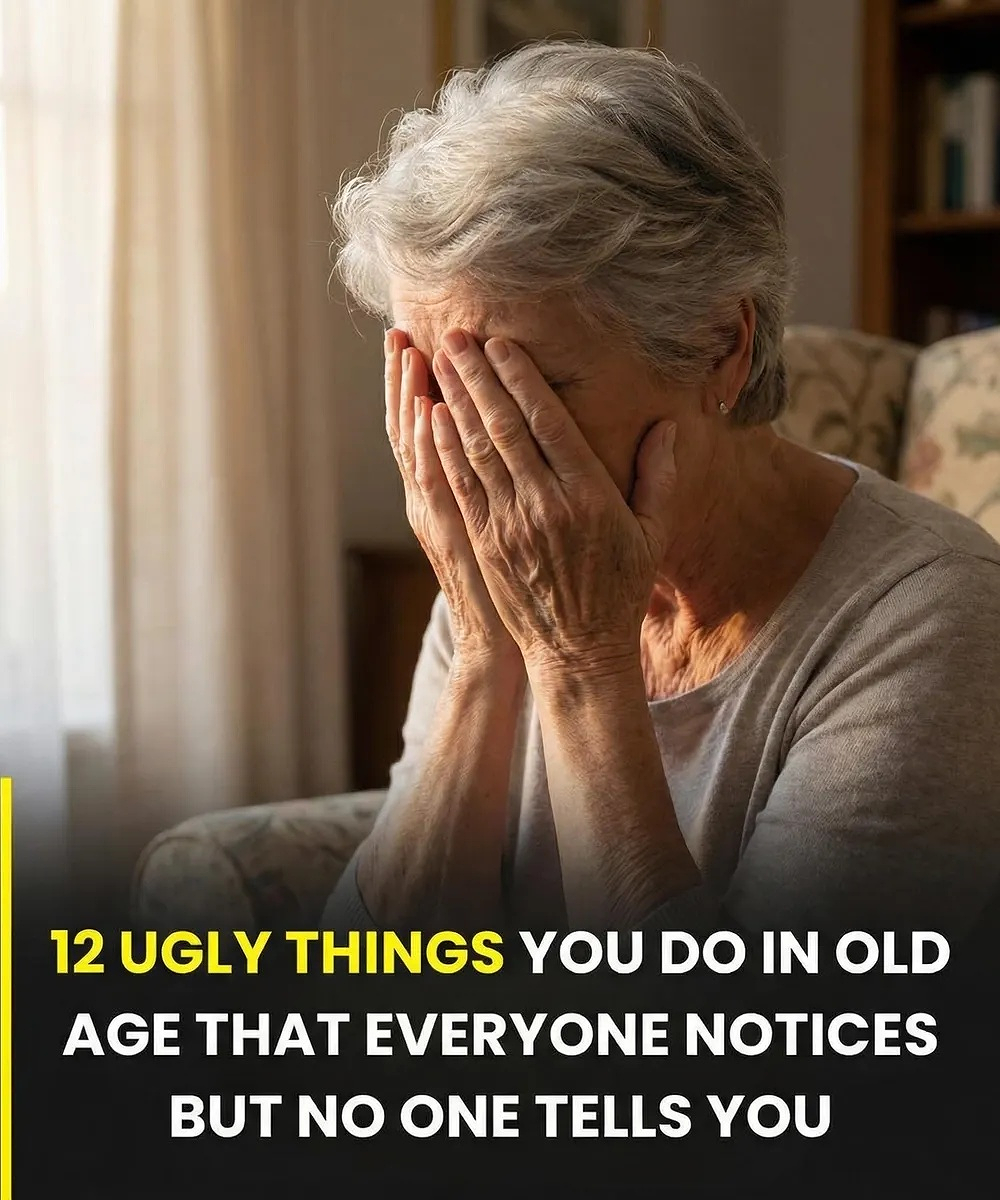
12 Everyday Behaviors in Later Life That Can Influence Relationships
Aging is a natural and meaningful stage of life. It often brings experience, patience, and a broader perspective shaped by years of learning. Many older adults play an essential role within families and communities, offering support, guidance, and emotional stability.
At the same time, like every phase of life, aging can come with everyday habits that may quietly influence relationships with others. These behaviors are usually unintentional and rarely discussed openly, as loved ones often want to avoid causing discomfort or hurt feelings. Recognizing them is not about criticism or blame. Instead, it's about understanding how small, everyday actions can shape communication and connection, helping relationships remain warm and fulfilling over time.
1. Frequent Negativity or Complaining
One common pattern is frequent negativity or ongoing complaining. Regularly focusing conversations on health concerns, financial worries, or how things used to be can gradually make interactions feel heavy.
Everyone needs to vent sometimes, and health concerns are real. But when every conversation circles back to what's wrong, loved ones may start to dread calls and visits, not from lack of love, but from emotional exhaustion. Balancing honest sharing with lighter topics keeps relationships enjoyable for everyone.
2. Resisting New Ideas or Change
In the same way, resisting new ideas or changes can limit meaningful conversations, especially with younger family members who live in a different world. While these reactions often come from personal experience, openness can help keep communication balanced and engaging.
Dismissing technology, new social norms, or different lifestyles outright can make younger relatives feel judged rather than loved. Curiosity doesn't require agreement. Asking "tell me more about that" keeps the door open where "that's ridiculous" slams it shut.
3. Interrupting Conversations
Another behavior that may affect relationships is interrupting conversations. It often comes from enthusiasm or a desire to relate, but being cut off repeatedly leaves others feeling unheard. Letting people finish their thoughts, even when you're eager to respond, is one of the simplest forms of respect.
4. Offering Unsolicited Advice
Offering advice when it hasn't been asked for usually comes from a place of care and wisdom, but it can sometimes feel overwhelming to others. Strong relationships grow when everyone feels heard, respected, and free to share their thoughts without pressure.
A helpful reframe: instead of leading with advice, lead with questions. "Would you like my thoughts on that, or do you just need me to listen?" This single question transforms advice from imposition into gift.
5. Living Too Much in the Past
Living too much in the past can also reduce enjoyment of the present. Sharing memories is valuable and meaningful, but constantly comparing today with yesterday may unintentionally make current moments feel less important.
Phrases like "in my day" or "things were better when" can make younger family members feel their world is being dismissed. Memories are treasures, share them as stories, not as verdicts on the present.
6. Repeating the Same Stories
Repeating the same stories often can create emotional distance without anyone realizing it. Loved ones may smile politely while mentally checking out. If you notice eyes glazing over, it's a gentle signal to explore new topics. Keeping a few fresh experiences in rotation, a book, a walk, a new recipe, gives conversations new material.
7. Dismissing Modern Lifestyles
Related to resisting change, dismissing how younger generations live, their careers, relationships, or values, can wound deeply. Even casual criticism of modern life choices can feel like personal rejection to the person living them. Acceptance doesn't mean abandoning your values. It means loving people as they are.
8. Neglecting Self-Care
Self-care is another important, and sometimes overlooked, factor. Paying attention to personal hygiene, daily routines, and overall well-being is not about appearance alone. It reflects self-respect and supports positive social interactions.
When self-care slips, it often signals depression, grief, or health struggles rather than laziness. Family members who notice should respond with compassion and support, not criticism. And older adults themselves should treat self-care as a relationship investment: caring for yourself makes it easier for others to enjoy being around you.
9. Withdrawing From Social Life
Gradually declining invitations, avoiding outings, and retreating from community can shrink a person's world until loneliness sets in. Withdrawal often starts for understandable reasons, mobility issues, hearing loss, or grief, but it tends to accelerate. Staying socially engaged, even in small ways, protects both mood and relationships.
10. Being Inflexible About Routines
Strong routines provide comfort, but rigid inflexibility, refusing to adjust mealtimes, visit schedules, or plans, can frustrate family members trying to connect. Flexibility is a form of generosity. Bending a routine occasionally to accommodate loved ones communicates that the relationship matters more than the schedule.
11. Avoiding Difficult Conversations
Sidestepping important topics, health wishes, finances, end-of-life preferences, may feel like keeping the peace, but it often creates greater stress later. Families consistently report that having these conversations, though uncomfortable, ultimately brings relief and closeness. Avoidance doesn't prevent difficulty. It postpones and compounds it.
12. Losing Curiosity
Staying curious, learning new things, and maintaining personal interests can strengthen confidence and inspire closer connections with others. When curiosity fades, conversations narrow and the spark that draws people in dims. Curiosity is ageless. A new hobby at 75, a class at 80, a question asked with genuine interest at any age, these keep a person vibrant and magnetic.
The Deeper Truth: Awareness, Not Fault
The most important takeaway is awareness, not fault. Every age group has habits that can affect relationships. Teenagers have theirs. New parents have theirs. Growing older does not mean losing warmth, kindness, or flexibility. In fact, these qualities often deepen with time.
By practicing patience, listening with genuine interest, staying open to change, and showing consideration for others, older adults can nurture strong, respectful relationships. Small adjustments, pausing before interrupting, asking before advising, trying one new thing, compound into profoundly better connections.
For Family Members: How to Respond With Love
If you recognize these patterns in someone you love, approach matters more than content:
- Lead with appreciation. Acknowledge the wisdom and love before raising concerns.
- Use "I" statements. "I feel disconnected when…" lands better than "You always…"
- Pick the right moment. A calm, private setting beats a holiday dinner table.
- Offer alternatives. Suggest a new activity together rather than just criticizing old patterns.
- Check for underlying causes. Withdrawal or negativity may signal depression, pain, or grief that needs professional support.
Aging gracefully is not about being perfect. It's about continuing to grow emotionally and socially, creating later years filled with connection, dignity, and shared happiness.
Frequently Asked Questions
Is it normal for relationships to change as parents age?
Yes. Shifting roles, health changes, and evolving needs naturally reshape family dynamics. Open communication and mutual adaptation keep relationships strong through these transitions.
How can I talk to an older parent about a hurtful habit without causing offense?
Choose a calm private moment, lead with love and appreciation, use "I feel" statements rather than accusations, and focus on one specific behavior rather than general criticism. Most importantly, listen to their perspective too.
What if my older loved one refuses to change?
You cannot control another person's behavior, only your responses. Set your own boundaries kindly, manage your expectations, and focus on the positive aspects of the relationship. Sometimes acceptance is the wisest path.
Can these behaviors indicate depression or cognitive decline?
Sometimes. Withdrawal, negativity, loss of interest, and personality changes can signal depression, which is treatable at any age. Significant changes in behavior or memory warrant a medical evaluation. Approach with compassion, not alarm.
How can older adults stay socially connected?
Join clubs or classes, volunteer, maintain regular contact with friends and family, explore faith communities, try technology for video calls, and say yes to invitations even when staying home feels easier. Small consistent efforts matter most.
Is it too late to improve relationships in later life?
Never. Research on emotional growth shows that people can develop new relational skills at any age. Many families report their closest, most honest relationships emerging in the later decades, when pretense falls away and what remains is love.