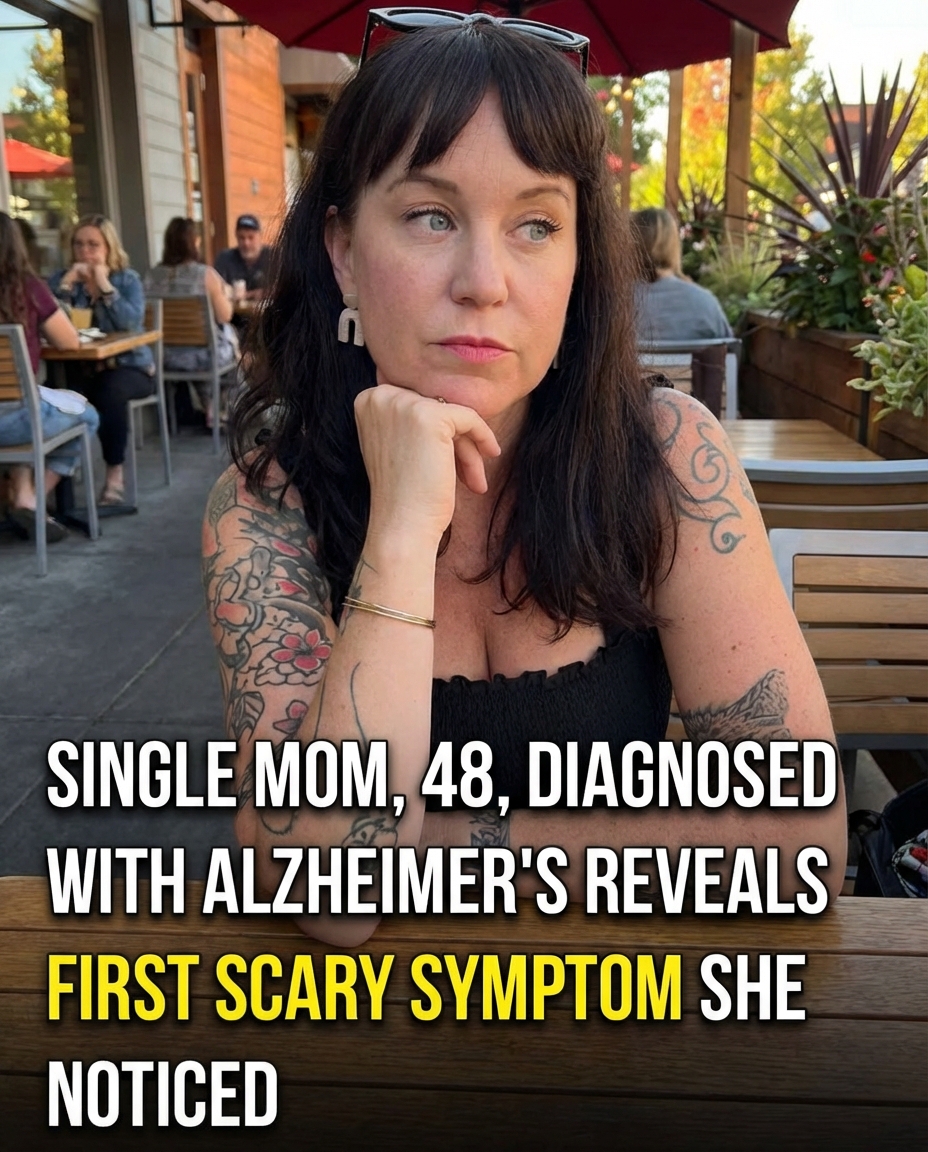
A single mother in her late 40s is speaking out after receiving a life-changing medical diagnosis that reshaped her future and daily routine.
At just 48 years old, Rebecca Luna never expected to hear the words “early-onset Alzheimer’s.” Like many parents balancing work and family responsibilities, her days were busy and full. At first, the changes she noticed seemed minor—small moments of forgetfulness that felt easy to blame on stress or exhaustion.
However, one ordinary morning at work became a turning point. After sitting down at her computer to begin her usual tasks, she suddenly couldn’t remember what she was supposed to do next. The routine that had once been automatic felt unfamiliar. That unexpected moment prompted her to seek medical advice.
Understanding Early-Onset Alzheimer’s
Alzheimer’s disease is most commonly associated with older adults. However, early-onset cases can develop in people in their 40s or 50s. Though less common, this form of the condition can significantly impact careers, financial stability, and family life much earlier than many anticipate.
Initially, Rebecca believed her symptoms were simply the result of stress and fatigue—common experiences for working parents. But over time, the memory lapses became more frequent. Everyday tasks that once required little thought began to demand extra concentration. As uncertainty grew, she decided to pursue medical testing, which ultimately confirmed the diagnosis.
Adjusting to Daily Changes
As her condition progressed, Rebecca became more aware of how memory challenges could affect everyday routines. In one instance, she became distracted while cooking and later realized she had left something on the stove longer than intended. Moments like these highlighted the importance of safety adjustments and support systems.
Despite the emotional and practical challenges, she remains focused on caring for herself and her children. She has begun adapting her home and work habits to create a safer, more structured environment. Support from healthcare professionals, family members, and community resources has also played a key role.
Raising Awareness
By sharing her experience, Rebecca hopes to increase awareness that Alzheimer’s can affect individuals at different stages of life. Early recognition of symptoms—such as persistent memory loss, confusion with routine tasks, or difficulty completing familiar activities—can help people seek medical evaluation sooner.
Her story serves as a reminder that paying attention to subtle changes in cognitive health is important at any age. With early support, planning, and understanding, individuals facing similar diagnoses can take steps to maintain independence and quality of life for as long as possible.