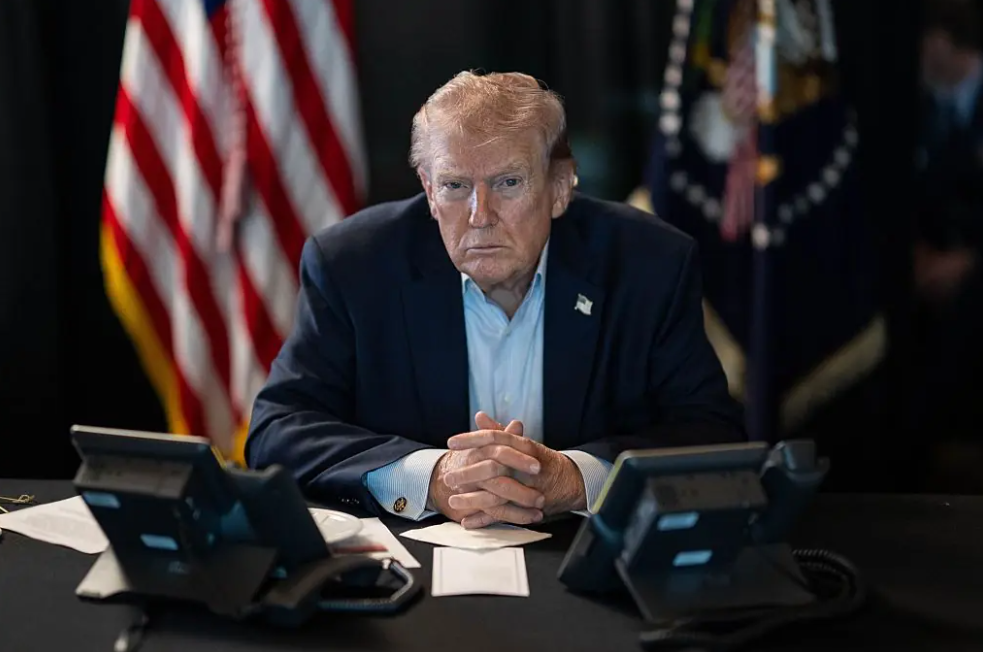
Recent political discussions in the United States have brought renewed attention to a little-known constitutional provision that outlines how a sitting president could be temporarily or permanently removed from office under specific circumstances
The conversation intensified after Donald Trump shared strong remarks regarding tensions with Iran, particularly around the strategic Strait of Hormuz His comments drew reactions from both political opponents and some members of his own party, sparking broader debate about presidential conduct and constitutional safeguards
What Is the Twenty-Fifth Amendment
At the center of the discussion is the Twenty-fifth Amendment, a constitutional mechanism designed to ensure continuity of leadership in the United States
The amendment includes four sections
The first three address situations such as a president’s death, resignation, or temporary inability to perform duties In these cases, the vice president currently JD Vance would assume presidential responsibilities
The fourth section is the most complex and rarely discussed It allows the vice president and a majority of the Cabinet to declare that the president is unable to carry out the duties of the office
How the Process Works
If such a declaration is made, the vice president immediately becomes acting president However the process does not end there
The president has the right to contest the decision
If contested the vice president and Cabinet must reaffirm their position within a set timeframe
Congress would then vote on the matter requiring a two thirds majority in both chambers to uphold the removal
Because of its complexity and political sensitivity this section has never been fully used to remove a president
Political Reactions and Expert Opinions
Following recent statements some lawmakers including Chris Murphy publicly discussed the possibility of invoking the amendment emphasizing concerns about leadership stability and decision making during international tensions
At the same time reactions have not been limited to political opponents Figures within the president’s broader political circle such as Marjorie Taylor Greene also expressed concern highlighting divisions in opinion over how leaders should communicate during sensitive global situations
Meanwhile international leaders like Keir Starmer have continued to emphasize diplomatic approaches to global conflicts underscoring differences in strategy among allied nations
A Rare but Important Safeguard
The Twenty Fifth Amendment remains an important constitutional safeguard designed to address extreme scenarios where presidential leadership may be in question However its use requires broad agreement among top government officials and lawmakers making it a measure of last resort
As political debates continue the situation highlights how constitutional frameworks are tested during times of heightened global and domestic tension and how leadership decisions can quickly become central to national conversation