
A Journey of Resilience: How Carmen Tarleton Rebuilt Her Life After a Life Changing Injury
An Ordinary Day That Changed Everything
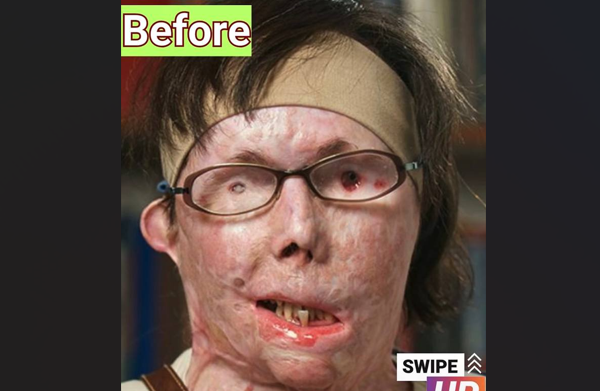
Carmen Tarleton's story is one of determination, hope, and perseverance in the face of extraordinary challenges. In 2007, a serious incident left Tarleton with severe injuries that dramatically changed her appearance and affected much of her body. In a single day, the life she knew was shattered, replaced by a reality of pain, surgeries, and an uncertain future.
The details of that day matter less than what followed. What matters is that Carmen survived injuries so severe that survival itself was remarkable, and then faced the far longer challenge: rebuilding a life from the fragments. That rebuilding would take years, dozens of procedures, and a kind of courage that few people are ever called upon to summon.
The Long Road of Medical Recovery
Over the years, she underwent numerous medical procedures and faced ongoing physical discomfort as doctors worked to improve her quality of life. For a long time, everyday activities remained difficult. Scar tissue and skin grafts created additional complications, particularly around her face and neck.
To understand Carmen's journey, consider what severe burn and trauma recovery actually involves:
- Skin grafting: Surgeons transplant healthy skin to cover damaged areas, but grafts can contract, tighten, and limit movement, requiring repeated revisions.
- Scar management: Hypertrophic scars and contractures, especially around the face and neck, can restrict eating, speaking, breathing, and turning the head.
- Repeated surgeries: Each procedure addresses one problem while creating new healing challenges. Recovery is measured in years, not weeks.
- Chronic pain: Nerve damage, tight scarring, and repeated surgical trauma create persistent discomfort that must be managed indefinitely.
- Functional rehabilitation: Relearning basic functions, eating, speaking clearly, expressing emotion facially, requires intensive therapy.
Despite these obstacles, Tarleton remained focused on recovery and continued searching for solutions that could help restore comfort and function. That focus, maintained across years of setbacks, is itself extraordinary. Many people would have accepted their limitations. Carmen kept looking for more.
A Medical Milestone: The Transplant
A major turning point came when doctors informed her that a donor had become available for a groundbreaking face and neck transplant procedure. The complex surgery was performed at Brigham and Women's Hospital in Boston, offering new possibilities for her future.
Face transplantation remains one of the most complex procedures in all of medicine. Unlike a kidney or heart transplant, which replaces internal function, a face transplant restores identity itself: the ability to smile, to blink, to eat, to breathe comfortably, to be recognized, to express emotion. The surgery involves connecting countless blood vessels, nerves, muscles, and skin in precise alignment, often taking an entire surgical team the better part of a day.
Brigham and Women's Hospital has been a pioneer in this field, performing some of the earliest face transplants in the United States. For Carmen, being accepted as a candidate meant that her injuries were severe enough to warrant the extraordinary risks, and her overall health strong enough to survive them.
Although her recovery included significant challenges, including episodes in which her body attempted to reject the transplanted tissue, medical teams successfully managed these complications. Organ rejection is a constant threat for all transplant recipients, requiring lifelong immunosuppression drugs that themselves carry risks. That Carmen's team navigated these episodes successfully speaks to both medical excellence and her own resilience.
As a result, Tarleton was able to enjoy a better quality of life and experience many moments she once feared might be impossible.
What the Transplant Made Possible
The improvements following the transplant were not cosmetic in any trivial sense. They were functional and profoundly human:
- Eating and drinking with greater comfort and normalcy
- Speaking more clearly, restoring a fundamental channel of connection
- Breathing more easily, free from some of the restrictions of scarred tissue
- Facial expression, the ability to smile, frown, and show emotion, rebuilding social connection
- Reduced pain from the release of tight, contracted scar tissue
- A sense of self restored, the feeling of recognizing the person in the mirror
These are the things healthy people take for granted a thousand times a day. For Carmen, each one represented a victory years in the making.
Resilience as a Daily Practice
Carmen's story is often told as a medical marvel, and it is one. But the deeper story is about resilience as a daily practice rather than a single heroic moment. Consider what her years required:
- Showing up for appointment after appointment, surgery after surgery, when it would have been easier to stop
- Enduring pain that most people cannot imagine, day after day, year after year
- Maintaining hope through setbacks, rejections episodes, and slow recoveries
- Advocating for herself, researching options, asking questions, pushing for better solutions
- Rebuilding identity in a body that looked and felt fundamentally changed
- Living publicly with visible differences in a world that is often unkind to them
This is resilience not as a trait but as a discipline: chosen daily, maintained through suffering, renewed after every setback.
Becoming an Advocate and Inspiration
Over the following years, Carmen transformed her experience into purpose. She became an advocate for burn survivors, transplant recipients, and organ donors, sharing her story to educate the public and inspire others facing their own impossible challenges.
Her advocacy serves several vital purposes:
- Humanizing transplantation: Behind every medical breakthrough are real people with real lives. Carmen puts a human face on the science.
- Promoting organ donation: Face and tissue donors make procedures like hers possible. Her story illustrates what donation can achieve.
- Supporting survivors: Others facing severe injuries see in Carmen proof that life after trauma can be meaningful and rich.
- Educating the public: About the realities of burn recovery, the complexities of transplantation, and the humanity of visible difference.
Lessons From Carmen's Journey
Carmen Tarleton's rebuilding offers lessons for anyone facing adversity:
- Keep searching for solutions. Carmen never accepted that her initial outcome was final. Her persistence led to a transplant that transformed her life.
- Resilience is built daily. Not in grand gestures but in showing up, again and again, for the hard work of recovery.
- Medical science needs brave patients. Pioneering procedures require people willing to take extraordinary risks. Carmen's courage advanced the field for everyone who follows.
- Identity is deeper than appearance. Through every change to her face and body, Carmen remained herself: determined, hopeful, compassionate.
- Purpose transforms suffering. By becoming an advocate, Carmen gave her pain meaning beyond herself.
- Gratitude and grief coexist. She can mourn what was lost while celebrating what was regained. Both are true.
The Ongoing Journey
Carmen's story does not end with the transplant. Transplant recipients face lifelong medical management: immunosuppression, monitoring for rejection, ongoing care. Resilience, for Carmen, is not a chapter that closed but a practice that continues.
But that is also what makes her story so powerful. It is not a fairy tale with a neat ending. It is a real life, still unfolding, marked by extraordinary courage in the face of extraordinary challenges. Every day she lives fully is a testament to what determination, medical science, and the human spirit can achieve together.
Frequently Asked Questions
Who is Carmen Tarleton?
Carmen Tarleton is a burn and trauma survivor who sustained severe injuries in 2007 that dramatically changed her appearance and affected much of her body. After years of surgeries and skin grafts, she received a groundbreaking face and neck transplant at Brigham and Women's Hospital in Boston.
What does face transplantation involve?
It is among the most complex procedures in medicine, involving the transplantation of facial skin, muscles, nerves, and blood vessels from a donor. The surgery requires connecting countless structures precisely and is followed by lifelong immunosuppression to prevent rejection.
What challenges did she face after the transplant?
Her recovery included episodes in which her body attempted to reject the transplanted tissue, a constant risk for all transplant recipients. Her medical team successfully managed these complications, allowing her to achieve a significantly better quality of life.
How has she used her experience to help others?
Carmen has become an advocate for burn survivors, transplant recipients, and organ donors, sharing her story to educate the public, promote donation, support others facing severe injuries, and humanize the science of transplantation.
What are the key lessons from her journey?
Keep searching for solutions rather than accepting limitations, practice resilience daily, recognize that pioneering medicine requires brave patients, understand that identity runs deeper than appearance, transform suffering into purpose, and allow gratitude and grief to coexist.

