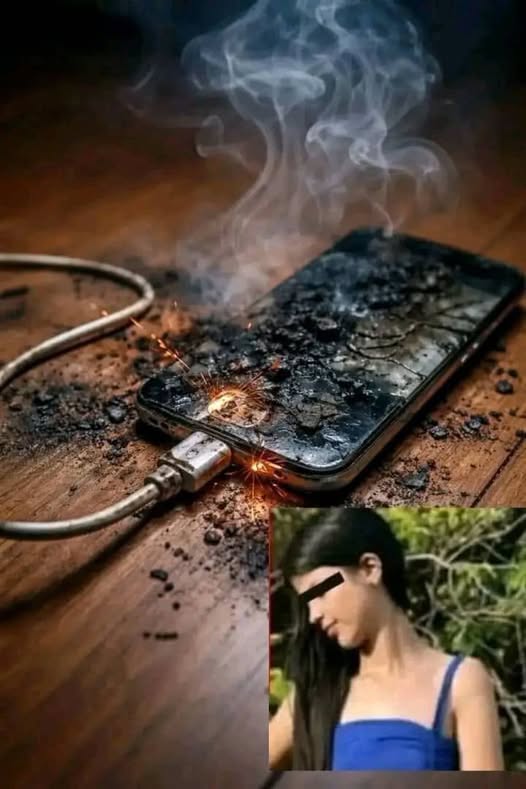
Charger Safety at Home: Simple Habits That Help Protect Your Devices and Home
Chargers have become an essential part of everyday life. From smartphones and tablets to laptops, smartwatches, and wireless earbuds, most people rely on multiple devices throughout the day. Because charging has become such a routine activity, it is easy to overlook the importance of using chargers safely.
While modern charging technology is designed with safety in mind, proper charging habits can help reduce risks and improve the lifespan of both devices and batteries. Understanding a few basic guidelines can make a significant difference, for your gadgets and your home.
Use Quality Chargers from Reputable Brands
One important factor is using high-quality chargers. Certified chargers from reputable manufacturers are designed to provide stable power and include safety features that help regulate voltage, current, and temperature. Look for recognized certifications on the packaging, which indicate the product has been tested to meet safety standards.
In contrast, low-quality or imitation chargers may not meet the same safety standards, which can affect device performance and battery health over time. Counterfeit chargers are a genuine hazard: they may lack overcurrent protection, use undersized components, or deliver unstable power that stresses batteries and, in rare cases, creates fire risks.
Tips for choosing safe chargers:
- Buy from reputable manufacturers or your device maker directly
- Look for recognized safety certifications on the product and packaging
- Be suspicious of chargers priced far below market rate
- Match the charger’s power rating to your device’s requirements
- Replace chargers that run unusually hot during normal use
Inspect Your Cables Regularly
Charging cables also deserve regular attention. Cables that show signs of wear, such as frayed wires, cracked insulation, or loose connectors, should be replaced promptly. Damaged cables may lead to inconsistent charging and can potentially create electrical issues if left in use.
Make cable inspection part of your routine. Warning signs include:
- Fraying or exposed wires near the connectors
- Cracked or discolored insulation
- Connectors that feel loose or only work at certain angles
- Kinks or sharp bends that do not straighten out
- A burning smell or visible scorch marks
A damaged cable is never worth the risk. Replacements are inexpensive compared to a damaged device or worse.
Practice Safe Charging Habits
Safe charging practices are equally important. Where and how you charge matters as much as what you charge with.
- Charge on hard, flat surfaces with adequate airflow. Beds, couches, and piles of laundry trap heat around devices and chargers.
- Keep devices ventilated. Do not cover a charging phone with a pillow or blanket.
- Avoid heavy device use while charging. Gaming or video streaming during charging generates extra heat and strains the battery, which can shorten its lifespan.
- Unplug when fully charged if convenient, especially overnight with older devices, though modern devices manage this well.
- Keep chargers away from water and out of bathrooms where moisture and electricity are a dangerous combination.
Heat is the enemy of both safety and battery longevity. Every habit that reduces heat buildup helps on both fronts.
Use Outlets and Power Strips Responsibly
Electrical outlets and power strips should be used responsibly as well. Plugging too many devices into a single outlet can place unnecessary strain on electrical systems. Daisy chaining power strips, plugging one into another, is a common cause of overload.
Best practices for outlets and strips:
- Use quality surge protectors, especially for expensive electronics
- Ensure outlets are in good condition: no looseness, discoloration, or buzzing
- Do not overload a single outlet with multiple high-draw devices
- Replace power strips that feel warm during use
- Consider strips with individual switches so you can cut power to idle chargers
Using quality surge protectors and ensuring outlets are in good condition can contribute to a safer charging environment for your whole home.
Build a Regular Inspection Routine
Regularly inspecting chargers, cables, and outlets takes only a few moments but can help identify potential issues before they become larger problems. A monthly two minute check is enough:
1. Look at each frequently used cable for fraying or damage
2. Feel chargers during use for unusual heat
3. Check that plugs fit snugly, not loosely, in outlets
4. Look for discoloration on plugs, outlets, and strips
5. Retire anything questionable immediately
Replacing damaged accessories and following manufacturer recommendations are simple steps that support both safety and efficiency.
Battery Health Bonus
Good charging habits do more than prevent hazards. They extend battery life. Lithium-ion batteries, found in nearly all modern devices, degrade faster when exposed to heat, kept at 100 percent for long periods, or repeatedly drained to zero. The same habits that keep charging safe, cool surfaces, quality chargers, avoiding heavy use while charging, also keep batteries healthier longer.
Frequently Asked Questions
Is it safe to leave devices charging overnight?
Modern devices have battery management systems that stop charging at 100 percent, so overnight charging is generally safe with quality chargers. However, charging on a hard, ventilated surface rather than under a pillow is important.
Are cheap chargers dangerous?
Low-quality or counterfeit chargers may lack proper safety features like overcurrent and temperature protection. They can damage batteries and, in rare cases, pose fire risks. Certified chargers from reputable brands are worth the investment.
When should I replace a charging cable?
Immediately if you see fraying, cracked insulation, exposed wires, loose connectors, or scorch marks. Do not continue using a damaged cable.
Can I plug many chargers into one power strip?
Small device chargers draw little power individually, but avoid overloading any outlet, never daisy chain power strips, and use a quality surge protector. If a strip feels warm, reduce the load.
Where is the safest place to charge devices?
On a hard, flat surface with good airflow, away from bedding, curtains, and water. Avoid charging on beds or couches where heat can build up unnoticed.