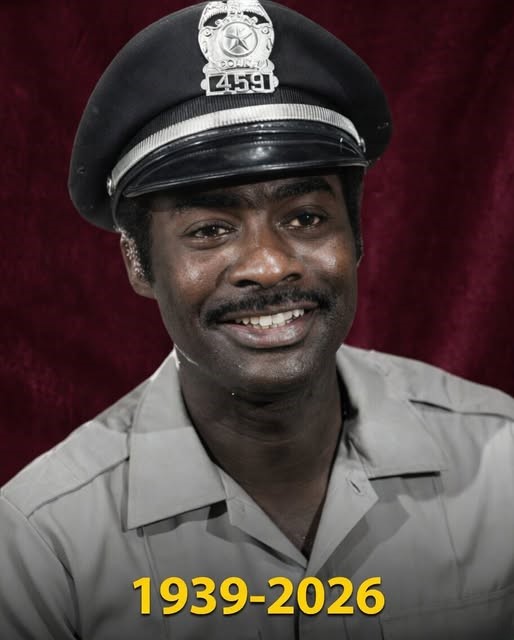
In the history of television, some performers become household names through starring roles and constant media attention. Others build their legacy more quietly, through consistency, professionalism, and years of dependable work that help shape the stories audiences remember for generations. Ed Bernard belonged to that second group. He was a respected character actor whose calm presence, disciplined performances, and authentic style helped strengthen many television productions during the golden era of American TV.
Rather than chasing fame or public recognition, Bernard focused on the craft itself. Over the course of his career, he became known for portraying believable, grounded characters that added realism and emotional depth to every production he joined. His work reflected dedication, humility, and a genuine respect for storytelling.
Early Roots in Theater
Before making his mark on television, Bernard developed his skills in Philadelphia’s theater community. Stage acting demands focus, preparation, and discipline because performers must deliver every scene live without the benefit of retakes or editing. This environment helped Bernard build the foundation that would later define his screen career.
Theater taught him timing, emotional control, and the importance of understanding a character completely before stepping into a role. It also reinforced values such as collaboration and professionalism. These qualities remained central throughout his life and became part of the reason directors and fellow actors respected him so deeply.
Unlike performers drawn to acting mainly for attention, Bernard approached each role with seriousness and care. Whether his screen time was large or small, he treated every performance as meaningful work deserving of preparation and commitment.
A Natural Fit for Television
As television expanded throughout the 1970s and 1980s, opportunities for experienced character actors grew rapidly. Bernard transitioned smoothly from theater into television because his acting style matched the era’s increasing focus on realistic storytelling and emotionally relatable characters.
Television series during this period relied heavily on strong supporting performers who could establish believable personalities quickly while supporting the larger story. Bernard excelled in this environment. His performances felt natural and sincere, helping audiences immediately connect with the characters he portrayed.
He appeared in productions such as Police Woman and The White Shadow, shows remembered for combining entertainment with thoughtful storytelling and social themes. Bernard’s understated approach fit perfectly within these productions because he brought credibility and emotional realism without overshadowing the narrative itself.
The Value of Character Actors
One of Bernard’s greatest strengths was versatility. He could move comfortably between dramatic scenes, procedural storytelling, and emotionally driven moments while maintaining the grounded quality that made his performances believable.
Directors often value actors like Bernard because they improve scenes through authenticity and subtlety. Rather than trying to dominate attention, he focused on serving the story. Fellow performers appreciated his ability to listen carefully, respond naturally, and contribute to the collaborative rhythm that strong acting requires.
His career also highlighted an important truth about the entertainment industry: not every meaningful contribution comes through leading roles or celebrity status. Television and film rely heavily on dependable supporting actors who create believable worlds and strengthen the emotional impact of stories. Bernard became one of those reliable figures whose presence consistently elevated productions.
Audiences may not always remember every character actor’s name immediately, but they remember how those performances made them feel. Bernard’s work helped create television worlds that felt genuine, relatable, and emotionally grounded.
A Life Beyond Hollywood Spotlight
Outside the entertainment industry, Bernard maintained a lifestyle centered on simplicity, family, and personal values. While many performers pursued constant visibility and public attention, he preferred a quieter and more balanced existence.
Friends and colleagues often described him as someone who valued ordinary routines and meaningful relationships more than celebrity culture. He found fulfillment in family life and maintained a strong connection to personal faith and reflection.
This grounded approach likely contributed to the steady nature of both his personal life and professional career. The entertainment world can place enormous pressure on individuals to constantly reinvent themselves or remain publicly relevant. Bernard instead appeared comfortable living privately and focusing on what mattered most to him.
Faith also played an important role in shaping his outlook on life. Rather than presenting spirituality publicly for attention, he treated it as a personal source of guidance and strength. Those values influenced the way he approached relationships, work, and life’s challenges.
Grace Through Life’s Challenges
After the passing of his wife following many years of marriage, Bernard gradually stepped away from public life. Rather than seeking continued visibility, he chose privacy, reflection, and time with loved ones.
This period revealed another side of his character. His quiet strength became evident in the dignified way he handled personal loss and change. Instead of clinging to fame or recognition, he embraced a simpler lifestyle aligned with the values he had always maintained.
That same sincerity and steadiness were often visible in his acting. Whether on screen or in real life, Bernard projected authenticity and calm professionalism. These qualities may not create sensational headlines, but they earn lasting respect.
A Lasting Television Legacy
Today, audiences revisiting classic television continue to encounter Bernard’s performances. Even viewers who may not immediately recognize his name often respond to the realism and honesty he brought to the screen.
His legacy is not tied to one dramatic breakthrough moment or celebrity achievement. Instead, it exists in the cumulative strength of decades of dependable work. Through professionalism, adaptability, and genuine care for the craft of acting, Bernard helped strengthen countless stories and productions.
More broadly, his life offers an alternative perspective on success within entertainment. He demonstrated that fulfillment can come through integrity, consistency, and meaningful contribution rather than constant public recognition.
Ed Bernard leaves behind more than a list of television appearances. He leaves behind an example of dedication, humility, and artistic professionalism. His performances remain part of television history, continuing to support stories audiences still enjoy decades later.
While he may never be remembered as one of the industry’s biggest celebrities, his contributions remain deeply valuable. They live on in the scenes he enriched, the productions he strengthened, and the quiet example he set through a life defined by authenticity, discipline, and grace.