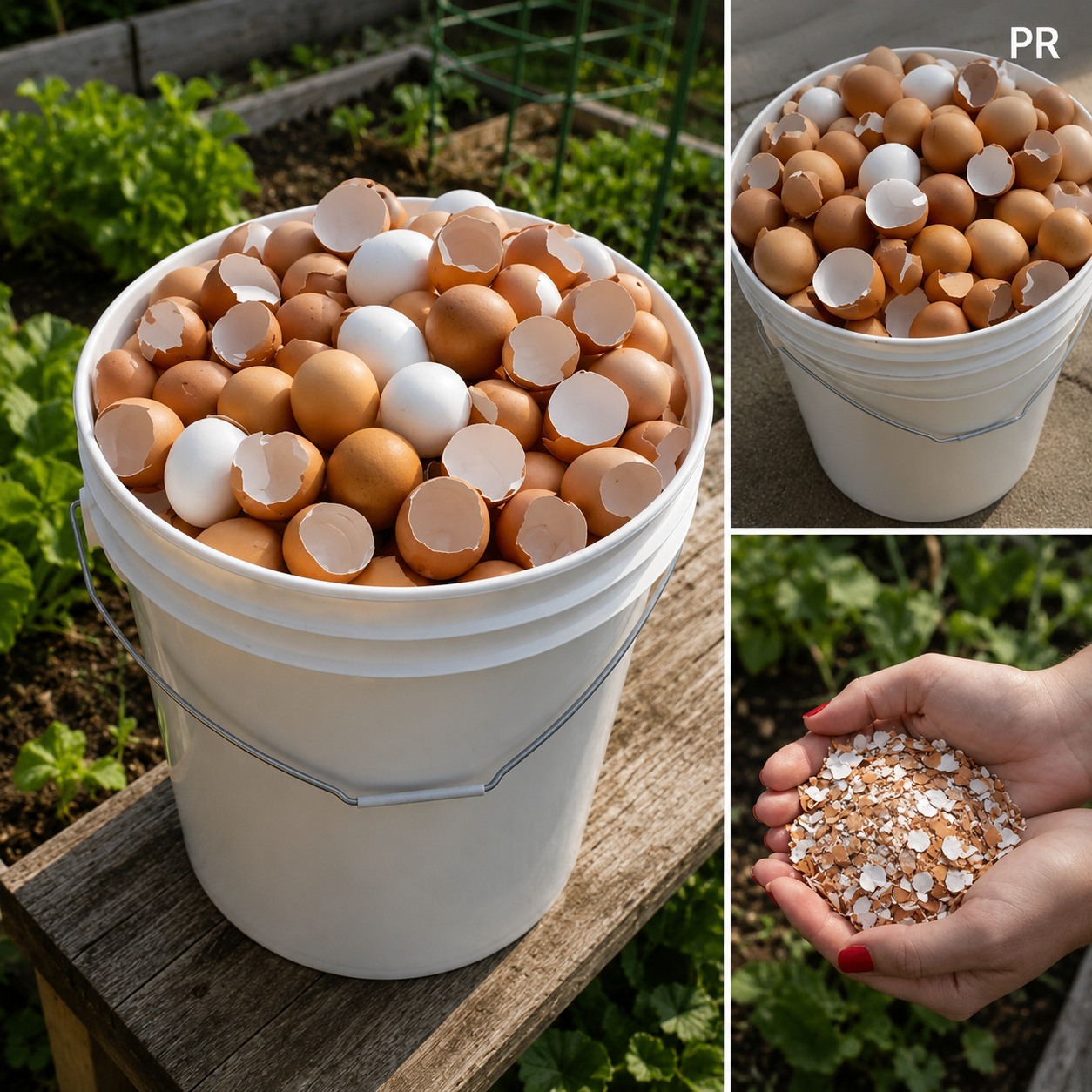
Most people crack open eggs, use what is inside, and immediately throw the shells away without thinking twice. However, eggshells can actually serve many useful purposes around the home and garden. Instead of ending up in the trash, these simple kitchen leftovers can become a natural solution for gardening, cleaning, crafts, and more.
Reusing eggshells is an easy and eco-friendly habit that helps reduce household waste while making the most of something many people overlook. With a little creativity, eggshells can provide practical benefits that are both affordable and sustainable.
A Natural Boost for Garden Soil
Eggshells are rich in calcium, an important nutrient that supports healthy plant growth. When crushed and mixed into garden soil or compost, they slowly release minerals that can improve soil quality over time. Many gardeners use eggshells around plants such as tomatoes and peppers because calcium may help support stronger plant development.
Crushed shells can also act as a natural barrier against pests like slugs and snails. The rough texture around plants may discourage soft-bodied garden pests from crossing into planting areas. This offers a simple alternative to chemical-based pest control methods.
Another popular gardening trick involves soaking clean eggshells in water for several hours or overnight. The mineral-rich water can then be poured onto soil as part of a regular plant care routine.
Helpful Uses Around the House
Eggshells can also be surprisingly useful indoors. When finely crushed, they create a gentle abrasive that can help scrub cookware, mugs, and stubborn stains without harsh chemicals. Mixed with a little soap and water, they can assist with cleaning tasks while remaining non-toxic.
Some coffee drinkers even add small amounts of crushed eggshells to coffee grounds during brewing. This traditional method is believed to help reduce bitterness and create a smoother taste.
In addition, eggshells can be used for simple household projects and decorations. Their texture makes them ideal for mosaics, crafts, and creative art activities for both children and adults.
Great for Seed Starters and Composting
Halved eggshells make convenient biodegradable seed starters. Small amounts of soil and seeds can be placed directly inside the shell halves. Once seedlings begin growing, the entire shell can be transferred into the garden, where it naturally breaks down over time.
Eggshells are also a valuable addition to compost piles. Combined with fruit scraps, vegetable peels, and other organic material, they contribute minerals that support nutrient-rich compost for gardens and plants.
Traditional Uses in Personal and Animal Care
For generations, people have found additional ways to reuse eggshells in everyday life. Finely ground eggshell powder has traditionally been added to some homemade animal feeds, especially for birds and chickens that require calcium for strong eggshell production.
The thin membrane found inside eggshells has also been used in traditional home care practices for minor skin comfort and household remedies. While professional medical advice should always guide health-related decisions, these traditional uses demonstrate how resourceful households once made use of nearly every part of common foods.
Fun Learning Activities for Kids
Eggshells can even become educational tools. One simple science activity involves soaking eggshells in vinegar and observing how they react over time. This easy experiment helps children learn about minerals, acids, and chemical reactions in a hands-on and engaging way.
These small projects encourage curiosity while teaching the importance of sustainability and reducing waste.
A Simple Step Toward Less Waste
Choosing to reuse eggshells is a small habit that can make everyday routines more thoughtful and environmentally friendly. Whether used in gardening, cleaning, composting, or creative projects, eggshells offer practical value that many households never realize.
Instead of viewing them as trash, eggshells can become a simple reminder that even ordinary kitchen scraps may still have a useful purpose.