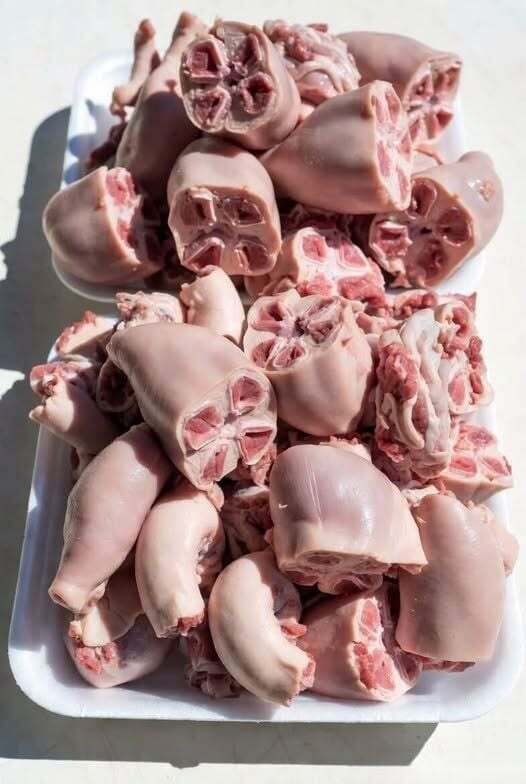
Questions about food quality and labeling often attract attention online, especially when it comes to meat products sold in supermarkets. Some reports and social media posts claim that certain products may not always match the quality consumers expect. However, many of these stories are presented in a dramatic way without verified evidence or official findings.
In modern food supply chains, supermarkets work with multiple suppliers, processors, and distributors. Because of this complex system, occasional labeling mistakes or quality concerns can happen. When issues are confirmed, they are usually investigated by food safety authorities such as the U.S. Food and Drug Administration (FDA) or the U.S. Department of Agriculture (USDA).
Food safety regulations in many countries require traceability systems that allow products to be tracked back to their source. If a problem is discovered, authorities may issue recalls, warnings, or fines to protect consumers and maintain transparency.
Some shoppers may notice differences in texture, smell, or appearance between purchases. In many cases, these variations can result from normal factors such as storage conditions, packaging methods, seasonal changes, or differences between production batches. These experiences do not automatically indicate fraud or intentional substitution.
It is always important for consumers to stay informed and rely on trusted sources when evaluating food-related claims online. Verified reports from regulators, official recalls, and credible investigations provide the most reliable information about product safety and labeling standards.
Consumers who have concerns about a product can also check official food safety websites, review packaging labels carefully, and contact retailers directly for clarification. Staying informed helps shoppers make confident decisions while avoiding misleading or sensational claims circulating online.