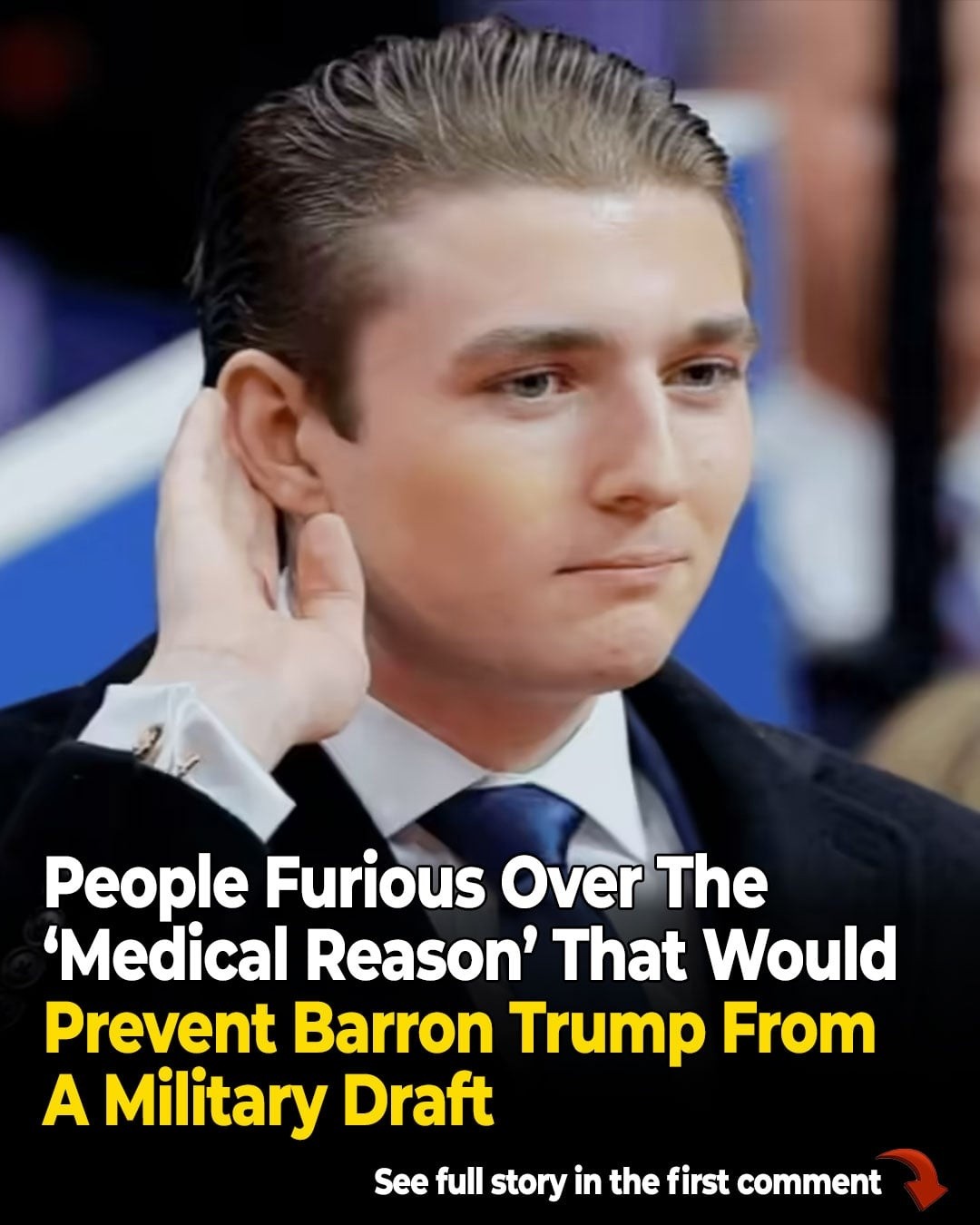
Public debate surrounding military service requirements has intensified following renewed tensions in the Middle East and growing online speculation about whether the United States could ever restore a military draft. As conversations spread across social media, many users have focused attention on President Donald Trump’s youngest son, Barron Trump, questioning whether he would be required to serve if conscription returned.
Rising Tensions Spark Public Discussion
Recent military operations involving the United States and Iran have fueled concerns about the possibility of expanded conflict in the region. After reports of coordinated strikes targeting military infrastructure, social media platforms quickly filled with discussions about national security, military readiness, and the long-standing Selective Service system.
Although the United States does not currently operate an active military draft, public interest in how conscription could work has surged. Many Americans have begun revisiting questions about eligibility, exemptions, and who would be required to serve if mandatory military service were ever reinstated.
Why Barron Trump Became Part of the Conversation
At 20 years old, Barron Trump falls within the age range tied to Selective Service registration requirements in the United States. Under current law, most male U.S. citizens between the ages of 18 and 25 are expected to register with the system, which exists as a contingency plan in case Congress authorizes a future draft.
Because of his connection to President Donald Trump, online commentators have debated whether Barron would face the same obligations as other young Americans during a national emergency. The viral hashtag “#SendBarron” gained traction as users discussed fairness, accountability, and the responsibilities associated with political leadership.
Understanding the Current Draft System
Despite widespread speculation online, the United States has not reinstated military conscription. The country has operated with an all-volunteer military force since 1973.
While lawmakers periodically review Selective Service policies, any future draft would require approval from both Congress and the president before becoming active. Registration alone does not mean individuals are automatically called into military service.
Recent updates to defense legislation have focused largely on improving registration systems and modernizing federal databases, not on launching mandatory service.
Medical Exemptions and Eligibility Rules
One major topic discussed online involves the medical standards used by the military when evaluating potential recruits. The U.S. military maintains detailed physical and medical requirements covering areas such as vision, hearing, mobility, cardiovascular health, and other conditions that could affect a person’s ability to serve safely.
Height alone does not automatically disqualify someone from military service, although extremely uncommon physical conditions or related medical complications could affect eligibility evaluations. Experts note that every case is reviewed individually under military medical guidelines.
Online rumors claiming the White House declared Barron Trump “too tall to serve” have not been supported by official evidence. Fact-checkers reviewing the claims found no verified statement from government officials making such an announcement.
Why the Debate Continues
The broader discussion reflects public concerns about military conflict, national service, and political accountability. As international tensions continue to dominate headlines, social media conversations often become a place where people express frustration, fear, and differing opinions about leadership decisions.
For now, however, the United States remains under a voluntary military system, and no official steps have been announced to restore mandatory conscription.