
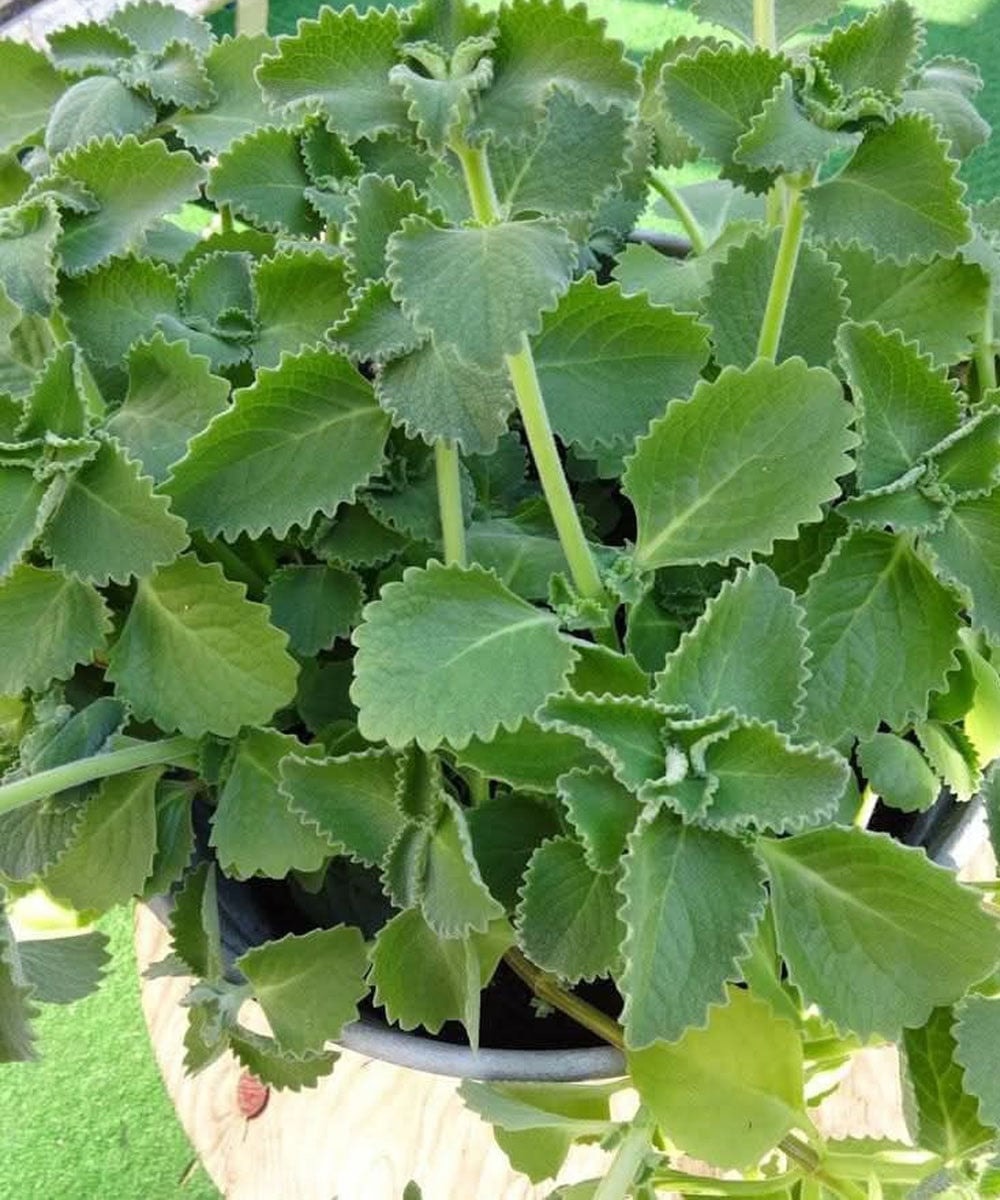
A Scientific Look at Oregano’s Role in Supporting Everyday Wellness
Oregano is widely known for adding rich flavor to meals, but this Mediterranean herb offers more than just culinary appeal. Belonging to the Lamiaceae (mint) family, oregano has been valued for centuries in traditional practices, from ancient Greek remedies to folk medicine across the Mediterranean. Today, modern research is beginning to explore its potential role in supporting overall wellness, including immune function and heart health.
Let's take an evidence-based look at what oregano actually contains, what studies suggest, and where the science still needs to catch up with the enthusiasm.
What's Inside: Key Compounds
Oregano's potential benefits trace back to its natural chemistry. The herb contains concentrated plant compounds, most notably:
- Carvacrol: The dominant active compound in oregano oil, studied for antimicrobial and anti-inflammatory properties in laboratory settings.
- Thymol: Also found in thyme, this compound contributes to oregano's distinctive aroma and has been researched for antimicrobial effects.
- Rosmarinic acid: A potent antioxidant also found in rosemary, associated with anti-inflammatory activity in lab studies.
- Flavonoids and phenolic compounds: A broad class of antioxidants that help neutralize free radicals.
Whether used fresh, dried, or as an oil, oregano delivers these compounds in varying concentrations. Oregano essential oil is far more concentrated than the culinary herb, which is why it's used in drops rather than spoonfuls, and why it demands more caution.
Rich in Antioxidants
Oregano is a natural source of antioxidants, which help protect the body from oxidative stress. These compounds work to neutralize free radicals, unstable molecules associated with cell damage and aging.
Gram for gram, oregano ranks among the most antioxidant-dense herbs commonly used in cooking, comparing favorably with many fruits and vegetables on standard antioxidant measures. Including antioxidant-rich foods like oregano in your diet supports overall health as part of a varied, plant-rich eating pattern.
It's worth keeping perspective: no single food's antioxidants transform health on their own. They contribute to a cumulative dietary pattern, and oregano's contribution is a welcome part of that pattern, especially since it's so easy to use generously in everyday cooking.
Supports Natural Defenses
Research suggests that oregano's compounds, particularly carvacrol and thymol, may help limit the growth of certain harmful microorganisms in laboratory studies. This antimicrobial activity, observed primarily in test tubes and petri dishes, has led to growing interest in oregano oil as a natural option for supporting the body's defenses.
Important caveats apply. Laboratory results don't automatically translate to effects in the human body, where dosing, digestion, and metabolism complicate everything. Oregano oil is potent and can irritate skin and mucous membranes; it should never be used undiluted, and internal use should follow professional guidance. The culinary herb sprinkled on pasta is a very different proposition from concentrated oil capsules, and the safety profiles differ accordingly.
Helps Manage Inflammation
Oregano contains plant-based compounds that have shown anti-inflammatory effects in laboratory and animal studies. Chronic, low-grade inflammation is implicated in many modern health concerns, so dietary sources of anti-inflammatory compounds attract legitimate scientific interest.
Again, the evidence in humans is preliminary. Oregano as part of an anti-inflammatory dietary pattern, alongside vegetables, olive oil, fatty fish, and other herbs, is a reasonable, enjoyable strategy. Oregano as a standalone treatment for inflammatory conditions is not supported by current evidence.
Heart Health and Other Areas of Interest
Preliminary research has explored oregano's compounds in relation to cholesterol metabolism, blood sugar regulation, and gut microbial balance. Some animal and lab studies show promising signals, but human clinical trials remain limited and small.
This is the honest state of the science: intriguing, plausible, worth further study, but not yet conclusive. Oregano is best viewed as a healthy component of a good diet rather than a therapeutic intervention.
A Long History of Traditional Use
Long before laboratories analyzed its compounds, oregano was a staple of traditional medicine. Ancient Greek physicians used it for digestive and respiratory complaints, and its name is often said to derive from words meaning "joy of the mountains." Across the Mediterranean, Middle East, and Mexico, folk traditions independently valued oregano for similar purposes: soothing coughs, settling stomachs, and preserving food. Modern science is now investigating which of these traditional uses hold up under controlled study, and the overlap so far is encouraging, even if definitive proof remains a work in progress.
How to Use Oregano for Everyday Wellness
The simplest approach is also the most enjoyable: cook with it generously.
- Fresh oregano: Bright and peppery, excellent in salads, marinades, and finishing dishes.
- Dried oregano: More concentrated and earthy, ideal for sauces, soups, roasted vegetables, and grilled meats.
- Oregano tea: Steeping fresh or dried leaves makes a soothing herbal tea traditionally used for respiratory comfort.
- Oregano oil: Highly concentrated; only use commercial preparations as directed, properly diluted, and preferably under professional guidance.
A Mediterranean-style diet, rich in herbs like oregano alongside olive oil, vegetables, legumes, and whole grains, remains one of the best-supported eating patterns for long-term health. Oregano's role in that pattern is flavorful, traditional, and scientifically plausible.
Safety Notes
Culinary oregano is safe for virtually everyone in normal food amounts. Oregano oil is another matter: it can cause skin irritation, interact with certain medications, and is not recommended during pregnancy in medicinal amounts. Anyone considering concentrated oregano supplements should consult a healthcare provider, especially if managing chronic conditions or taking prescription drugs.
Frequently Asked Questions
What are the main active compounds in oregano?
Carvacrol and thymol are the most studied, along with rosmarinic acid and various flavonoids. These contribute to oregano's antioxidant, antimicrobial, and anti-inflammatory properties observed in laboratory research.
Is oregano oil the same as cooking oregano?
No. Oregano essential oil is highly concentrated and much more potent than the culinary herb. They have different uses, dosages, and safety profiles.
Can oregano boost my immune system?
Lab studies show antimicrobial properties in oregano's compounds, but human evidence for immune benefits is limited. Oregano is best seen as one healthy component of a balanced diet and lifestyle.
How much oregano should I use?
For culinary use, there's no strict limit; use it generously as you enjoy. For concentrated oil or supplements, follow product directions and professional guidance.
Are there any risks to using oregano?
Culinary amounts are very safe. Concentrated oil can irritate skin and mucous membranes, may interact with medications, and should be avoided in medicinal amounts during pregnancy. Consult a healthcare provider about supplements.

