A Simple Method for Perfectly Peeled Hard-Boiled Eggs – Have You Tried This Easy Trick?
Boiling eggs is one of the most common kitchen tasks, yet it is also one that many people struggle with. If you have ever peeled a hard-boiled egg only to find a greenish ring around the yolk or pieces of egg white sticking to the shell, you are not alone. These small frustrations can make a simple recipe feel unnecessarily complicated. But here is the good news: perfectly cooked, easy to peel eggs are absolutely possible with just a few simple steps.
Why Hard-Boiled Eggs Go Wrong
Two problems plague home cooks more than any others: the green ring and the stubborn shell.
That green gray ring that sometimes forms around the yolk might look unappetizing, but it is completely harmless. It happens when eggs are cooked for too long or kept in hot water after they are done. This causes a natural reaction between the iron in the yolk and the sulfur in the white. While it does not affect safety, it can affect the appearance of the egg, especially if you are preparing them for salads, snacks, or meal prep.
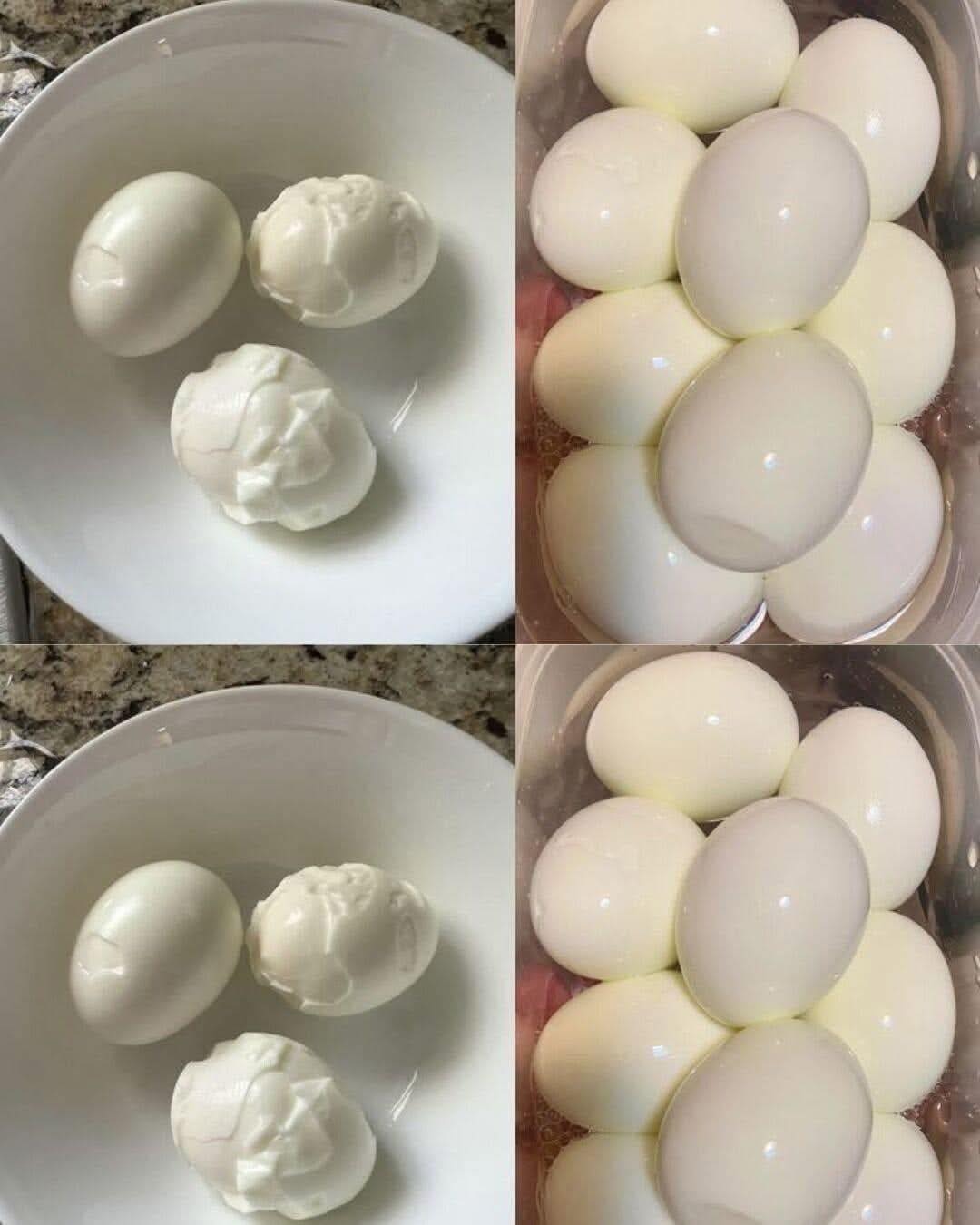
Stubborn shells are a different problem. When the egg white bonds tightly to the inner membrane, peeling becomes a battle that leaves the white pockmarked and ragged. Very fresh eggs are the worst offenders, which is ironic, since freshness is usually a virtue.
The Simple Method That Works
The key to avoiding discoloration and difficult peeling is temperature control and proper cooling. You do not need special equipment or any complicated tricks. In fact, many professional chefs rely on a simple method that works beautifully in any home kitchen.
Here is the easy technique:
1. Place your eggs in a saucepan and cover them with cold water, about an inch above the eggs.
2. Bring the water to a gentle boil, not a rapid one, which can cause cracking as eggs knock against each other.
3. Once the water reaches a boil, turn off the heat, cover the pot, and let the eggs sit for 10 minutes.
4. When the time is up, immediately transfer the eggs to a bowl of ice water and let them cool for at least 5 minutes.
This quick cooling step stops the cooking process, prevents the green ring, and makes peeling much easier. The sudden temperature change causes the egg to contract slightly inside the shell, loosening the membrane’s grip.
Why This Method Beats the Alternatives
Many people boil eggs by dropping them into already boiling water and timing them aggressively, or by boiling them hard for 15 minutes “to be safe.” Both approaches cause problems:
- Starting in boiling water often cracks shells on contact and cooks the outside before the inside sets evenly
- Boiling hard for too long virtually guarantees the green sulfur ring and rubbery whites
- Skipping the ice bath lets residual heat keep cooking the egg, overdoing the yolk
The gentle method, cold start, residual heat, ice bath, avoids all three traps. It is sometimes called the “passive cooking” method, and it is the closest thing to foolproof in the egg world.
Tips for Even Better Results
Beyond the core method, a few extra tricks make a real difference:
- Use older eggs for boiling. Eggs that are a week or two old peel far more smoothly than farm fresh ones, because the membrane loosens over time. Save your freshest eggs for frying and poaching.
- Add salt or vinegar to the water. A teaspoon of either helps coagulate any white that leaks from a cracked shell, keeping the egg tidy.
- Do not overcrowd the pot. Eggs need room so they heat evenly and do not crack against each other.
- Peel under running water. A thin stream of water helps slip the shell away from the white and washes away tiny fragments.
- Roll before peeling. Gently roll the cooled egg on the counter to crackle the shell all over, then start peeling from the wider end where the air pocket sits.
- Store properly. Unpeeled hard-boiled eggs keep about a week in the refrigerator. Peeled eggs should be used within a few days and kept in water or a sealed container.
Timing Guide for Different Yolks
The 10 minute rest gives you a classic fully set yolk that is creamy, not chalky. But you can adjust:
- 6 to 7 minutes: jammy, soft set yolk, perfect for ramen and toast
- 8 to 9 minutes: firm but moist yolk with a slightly soft center
- 10 to 12 minutes: fully hard yolk, ideal for deviled eggs and salads
- Beyond 12 minutes: risk of the green ring and rubbery texture increases
Remember that eggs continue cooking from residual heat, which is why the ice bath matters so much. It is the brakes on the whole process.
What to Do with Perfect Hard-Boiled Eggs
Once you have mastered the method, the possibilities open up:
- Classic deviled eggs for gatherings
- Sliced over salads for extra protein
- Avocado toast with a jammy egg on top
- Meal prep snack packs with eggs, cheese, and fruit
- Pickled eggs for a tangy, old fashioned treat
- Egg salad sandwiches, the ultimate comfort lunch
- Scotch eggs for an impressive brunch
The Difference It Makes
After switching to this method, many home cooks notice a dramatic difference. The shells come off effortlessly, the whites stay smooth and firm, and the yolks remain bright and creamy. No more chalky texture, no more frustration, just consistently perfect hard-boiled eggs every time.
Whether you enjoy eggs for breakfast, add them to salads, or prep them for the week, this simple technique can make your cooking routine easier and more reliable. Sometimes, it is the smallest kitchen tips that make the biggest difference.
Frequently Asked Questions
Why do my hard-boiled eggs have a green ring around the yolk?
The greenish ring comes from overcooking. A reaction between iron in the yolk and sulfur in the white creates the discoloration when eggs stay hot too long. It is harmless but easy to prevent with proper timing and an ice bath.
Why are my eggs so hard to peel?
Very fresh eggs have a tight bond between the white and the inner membrane. Using eggs that are a week or two old, cooling them rapidly in ice water, and peeling under running water all help.
Should I start eggs in cold or boiling water?
For easy peeling and even cooking, start in cold water and bring it to a gentle boil. Dropping cold eggs into boiling water often cracks the shells.
How long do hard-boiled eggs last?
Unpeeled hard-boiled eggs keep for about a week in the refrigerator. Once peeled, use them within a few days.
Does adding salt or vinegar to the water help?
A little salt or vinegar will not change the flavor, but it helps seal small cracks by coagulating leaking egg white, keeping your eggs neat.