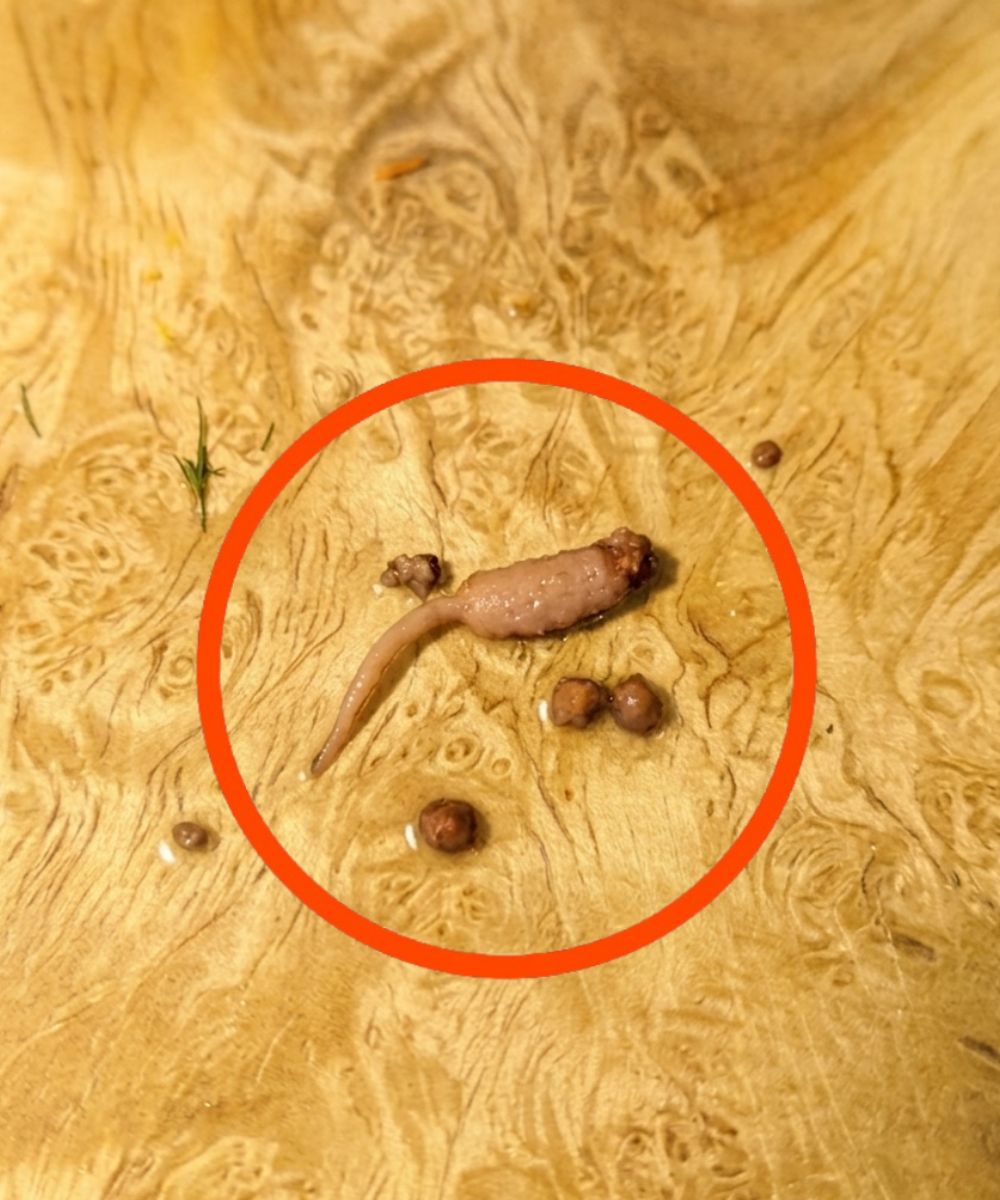
A Surprising Discovery While Cooking Ground Beef: What It Might Mean
While preparing a simple meal with ground beef, you might occasionally notice something unexpected. One home cook recently shared an experience that quickly caught attention: after removing cooked ground beef from the pan, they spotted a strange, pale object that didn't quite look like meat. At first glance, the object appeared unusual: soft, slightly curved, and distinct from the rest of the food. It's the kind of sight that can easily cause concern, especially when it's found in something you're about to eat.
If this has happened to you, you're not alone, and the explanation is usually far less alarming than it looks.
Why It Can Look Alarming
It's completely natural to feel uneasy when you notice something unfamiliar in your food. Objects with irregular shapes or textures can sometimes resemble things we associate with contamination, leading to immediate worry or confusion.
In situations like this, many questions come to mind. Is this something unsafe? Could it be contamination? Should the food be discarded? These reactions are understandable, especially when food safety is involved. Our brains are wired to be suspicious of anomalies in food, an instinct that kept our ancestors alive. The disgust response is powerful precisely because it's protective.
But instinct isn't analysis. Before discarding a whole meal, it helps to understand what you're actually looking at.
A Closer Look at What It Could Be
In many cases, what appears to be unusual or concerning is actually a normal part of the meat. Ground beef is not made up of muscle alone. It also contains small amounts of fat and connective tissue. When exposed to heat during cooking, these components can change shape. They may shrink, twist, or curl in ways that look unfamiliar. This can result in stringy or irregular pieces that stand out from the browned crumbles around them.
Common harmless explanations include:
- Connective tissue and sinew: Silverskin and tendons that weren't fully trimmed can cook into pale, chewy, or rubbery bits. They're unappetizing in texture but not unsafe.
- Fat deposits: Chunks of fat render and shrink during cooking, sometimes forming pale, waxy-looking pieces distinct from the meat.
- Lymph nodes or glands: Occasionally, small glands end up in ground product. They're a normal part of the animal, though their appearance can be startling.
- Grissel clumps: Dense connective tissue can survive browning relatively unchanged, appearing as pale nodules among the cooked meat.
These are all natural components of beef. Commercial grinding blends trimmings from various cuts, so textural variety is normal, even if a particular piece looks odd in isolation.
When to Actually Worry
While most discoveries are harmless, genuine contamination or spoilage does happen. Discard the food and don't taste further if you notice:
- Off smells: Sour, ammonia-like, or rotten odors that persist beyond normal raw-meat smell.
- Slimy texture: A sticky or tacky film on raw meat that doesn't rinse away.
- Unusual colors in raw meat: Grey or green patches on raw ground beef (note: some greying from oxygen exposure is normal; green is not).
- Non-organic foreign objects: Plastic, metal, glass, or anything clearly not of animal origin.
- Signs of spoilage despite proper storage: If it was stored incorrectly or past its date, don't risk it.
The rule food safety experts repeat: when in doubt, throw it out. No meal is worth food poisoning.
What To Do If You Find Something Suspicious
If the object looks truly foreign, not like tissue, fat, or gristle:
1. Stop cooking and set the food aside. Don't serve it.
2. Photograph the object in place and close up.
3. Save the packaging with batch information, store name, and purchase date.
4. Contact the retailer or manufacturer to report it.
5. Report serious cases to your local health department or the USDA's food safety hotline.
Buying and Handling Ground Beef Safely
Most food anxiety is preventable with good habits at purchase and in the kitchen:
- Buy from reputable sources and check sell-by dates.
- Refrigerate promptly and use within 1 to 2 days, or freeze immediately.
- Cook to a safe temperature: Ground beef should reach 160°F (71°C) internally, measured with a food thermometer. Color is not a reliable indicator of doneness.
- Avoid cross-contamination: Keep raw meat away from ready-to-eat foods, wash hands and surfaces thoroughly.
- Thaw safely: In the refrigerator, in cold water, or in the microwave, never on the counter.
The Bottom Line
Finding something odd in your ground beef is startling, but the most common explanations, connective tissue, fat, or gristle transformed by heat, are harmless parts of the meat itself. Understanding what you're seeing turns a moment of alarm into a moment of learning, and knowing the genuine warning signs of spoilage or contamination keeps you safe in the cases that actually matter.
Trust your instincts enough to pause and check, but also trust the knowledge that most of the time, it's just dinner being dinner.
Frequently Asked Questions
What is the pale chewy thing I found in my ground beef?
Most likely connective tissue, sinew, or a fat deposit that cooked differently from the surrounding muscle. These are normal, harmless parts of beef.
Is it safe to eat meat with gristle or connective tissue?
Yes, though the texture may be unpleasant. These are natural animal tissues, not contaminants. You can simply remove and discard the piece.
How can I tell if ground beef has gone bad?
Look for sour or ammonia-like smells, slimy texture, green discoloration, or past-date product stored improperly. When in doubt, throw it out.
What temperature should ground beef be cooked to?
160°F (71°C) internal temperature, verified with a food thermometer. Don't rely on color alone.
What should I do if I find plastic or metal in ground beef?
Stop using the product, photograph and save the evidence with packaging, contact the retailer or manufacturer, and report it to food safety authorities.