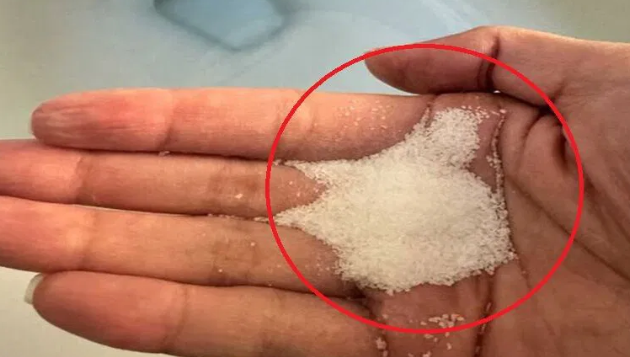
Add Salt to Your Toilet: The Simple Trick for a Cleaner, Fresher Bathroom
Most of us rely on plumbers when toilet troubles arise, but did you know there's a simple household ingredient that can help keep your toilet fresh, clog-free, and long-lasting? The secret is ordinary salt. This budget-friendly item, already sitting in your kitchen, can make a surprising difference in bathroom maintenance.
Let's explore why adding salt to your toilet is a game-changer and how you can use it to your advantage.
Why Salt Works Wonders in Your Toilet
1. Prevents Annoying Clogs
The grainy texture of salt helps break down waste and toilet paper, reducing the chance of stubborn blockages. A small amount used regularly can save you from inconvenient, and sometimes expensive, backups. Salt acts as a mild abrasive that loosens buildup along the pipes before it hardens into a real problem.
2. Keeps Odors Under Control
Bathrooms without good airflow can quickly develop unpleasant smells. Salt naturally absorbs moisture and neutralizes odor-causing compounds, leaving your toilet fresher without relying on chemical sprays. Because odor-causing bacteria thrive in damp environments, salt's moisture-absorbing quality attacks the problem at its source.
3. Fights Hard Water Stains
If your water leaves behind mineral deposits, salt can help. When combined with a toilet brush, it scrubs away buildup and restores shine to your toilet bowl, making it look cleaner and more inviting. The gentle abrasion lifts limescale and mineral rings without scratching porcelain the way harsher scouring pads can.
4. Saves You Money
Why spend on pricey toilet cleaners when salt does the job for just a few cents? It's an easy, affordable alternative that reduces your dependence on chemical-heavy products. A box of table salt costs a fraction of specialty bowl cleaners and lasts for dozens of treatments.
5. Eco-Friendly Cleaning
Salt is natural and safe for the environment. By swapping out harsh cleaners for salt, you're making a greener choice that protects waterways and reduces your household's chemical footprint. Many conventional toilet cleaners contain bleach, acids, or synthetic fragrances that end up in the water system.
6. Extends Toilet Lifespan
Regular maintenance with salt prevents clogs, reduces wear, and minimizes the buildup that can damage your toilet over time. This simple habit may help you avoid costly repairs or replacements. Pipes and seals last longer when they aren't subjected to repeated harsh chemical treatments or emergency plunging.
How to Use Salt in Your Toilet
The best part about this trick is how easy it is. Here's a quick routine you can try:
- Pour about one cup of salt into your toilet bowl.
- Let it sit for 15 minutes, or overnight for tough stains.
- Scrub with a toilet brush, focusing on mineral deposits or buildup.
- Flush to rinse everything away.
- Repeat every few weeks for a consistently clean and odor-free toilet.
For an extra boost against stains, some people combine salt with baking soda or a splash of white vinegar before scrubbing. The fizzing reaction helps lift deposits while the salt provides the scrubbing power.
Why Plumbers Don't Talk About This Trick
You might wonder why such a simple solution isn't common knowledge. There are a few reasons:
- It's preventive, not professional. Salt helps with small issues, but big plumbing problems still need an expert.
- It reduces service calls. Fewer clogs mean fewer reasons to hire a plumber.
- DIY risks. Professionals often avoid suggesting home remedies in case they're misused.
Still, when it comes to everyday upkeep, salt is a safe, effective, and eco-friendly option that anyone can try.
When Salt Isn't Enough: Know the Limits
Salt is a maintenance aid, not a miracle cure. Call a professional if you notice:
- Recurring clogs in the same toilet, which may signal a deeper blockage or venting issue.
- Slow draining across multiple fixtures, which can indicate a main line problem.
- Gurgling sounds from drains, a classic sign of sewer line trouble.
- Water backing up into tubs or sinks when the toilet flushes.
- Persistent odors that don't improve with cleaning, which may point to a failed wax ring or vent issue.
Knowing the difference between a maintenance task and a plumbing problem saves money in the long run. Salt handles the first category beautifully; the second belongs to a licensed plumber.
Building a Low-Cost Bathroom Cleaning Routine
Salt works best as part of a simple, consistent routine. Consider this weekly and monthly schedule:
Weekly:
- Quick scrub of the bowl with a brush and a sprinkle of salt or baking soda.
- Wipe down the seat, lid, and handle with a mild cleaner.
- Check that the flush is strong and complete.
Monthly:
- The full salt treatment: one cup, 15 minutes or overnight, thorough scrub, flush.
- Clean under the rim where buildup hides.
- Inspect the tank for sediment if your water is very hard.
Seasonally:
- Check the flapper and fill valve for wear.
- Look for leaks around the base.
- Deep clean grout and caulk around the toilet.
This kind of routine prevents most common toilet problems before they start, and it costs almost nothing.
Final Thoughts
Adding salt to your toilet may seem unusual, but it's a smart, affordable way to keep your bathroom cleaner and fresher. This little-known trick helps prevent clogs, tackles odors, fights stains, and even supports a greener lifestyle. Try it once, and you may never look at salt the same way again.
Frequently Asked Questions
How much salt should I put in the toilet?
About one cup of ordinary table salt per treatment is enough. Let it sit for at least 15 minutes before scrubbing and flushing.
Can salt damage my pipes or septic system?
In the small amounts used for cleaning, table salt is generally safe for standard plumbing. If you have a septic system and use this trick very frequently, check with a septic professional, as large quantities of salt can affect bacterial balance.
Is table salt or coarse salt better for this?
Both work. Coarse salt provides slightly more abrasive scrubbing power, while table salt dissolves more readily. Use whatever you have on hand.
How often should I do the salt treatment?
Every few weeks is sufficient for maintenance. Homes with very hard water or heavy toilet use may benefit from a monthly routine.
Can I combine salt with other cleaners?
Salt pairs well with baking soda and white vinegar. Avoid mixing it with bleach-based cleaners, and never mix different chemical cleaners together, as that can create dangerous fumes.