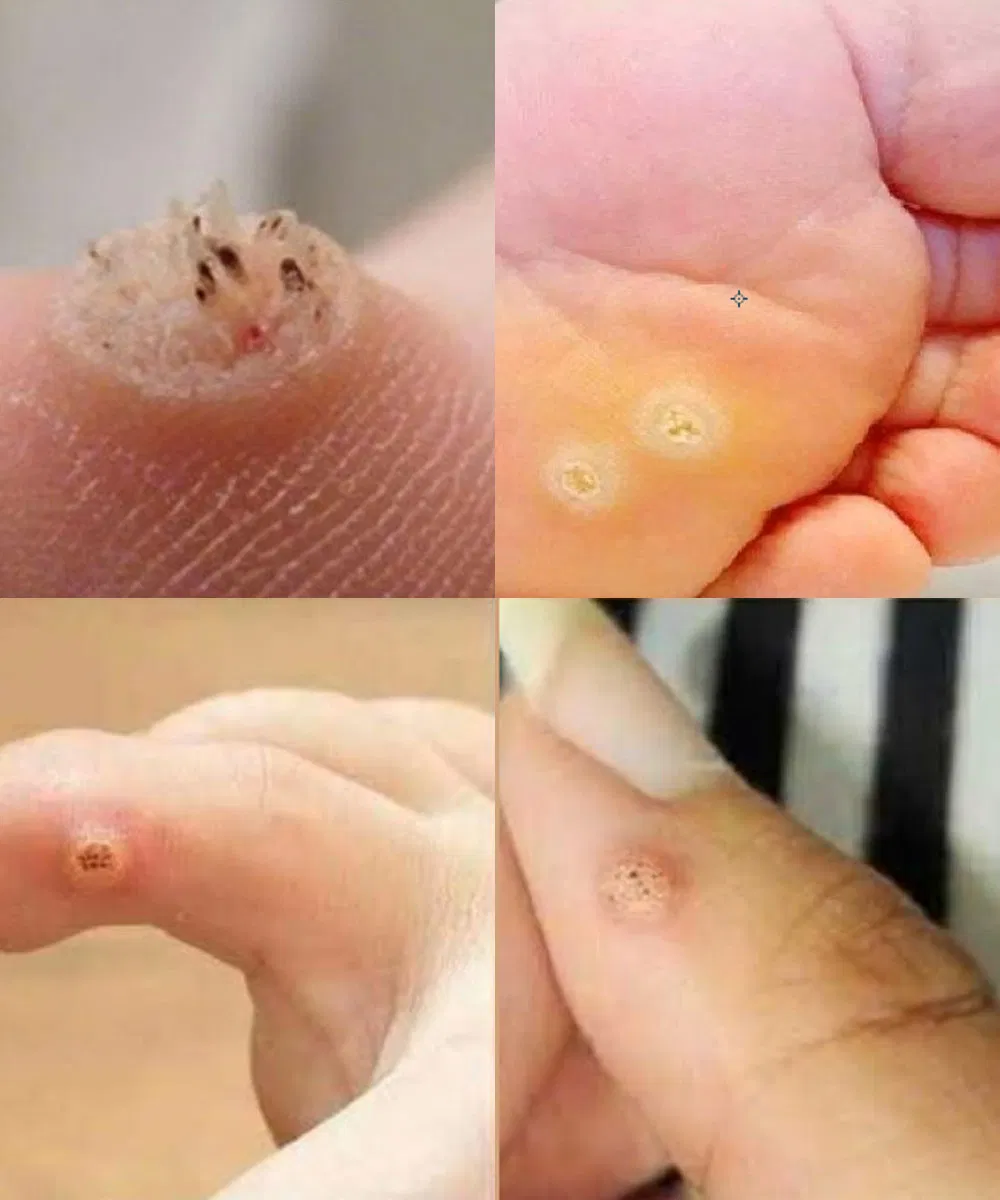
Be Alert: What That Unusual Skin Growth Could Really Mean
Most moles are harmless spots made up of pigmented skin cells. When they are even in shape and color, they usually do not pose a threat. But if a mole begins to change, getting larger, developing new colors, itching, bleeding, or forming a crust, it may signal something serious such as melanoma or another type of skin cancer. Early detection makes a huge difference in treatment success.
This guide walks you through what to watch for, how to check your own skin, and when to get professional help.
Understanding Moles
Moles are clusters of pigmented skin cells that appear as small brown, black, or skin-colored spots. Most adults have between 10 and 40 of them, and new ones can appear well into adulthood. Moles may be flat or raised, and they can appear anywhere on the body, including places that rarely see the sun.
The vast majority of moles never cause problems. They are simply part of your skin's landscape. The goal is not to worry about every spot, but to know your own pattern so that a genuinely new or changing spot stands out.
How to Check Moles Using the ABCDE Rule
Dermatologists recommend paying attention to five main warning signs. A suspicious mole may show one or more of these traits:
- A is for Asymmetry: One half of the mole looks different from the other half. Harmless moles are usually symmetrical.
- B is for Border: The edges are irregular, blurred, notched, or ragged rather than smooth and well defined.
- C is for Color: The mole shows several different colors or shades, such as tan, brown, black, red, white, or blue, instead of one even tone.
- D is for Diameter: The spot is larger than a pencil eraser (about 6 millimeters), although melanomas can sometimes be smaller.
- E is for Evolving: Any change over time in size, shape, color, elevation, or a new symptom such as itching, crusting, or bleeding.
If you notice one or more of these traits, it is time to get the spot checked by a medical professional. The "E" for evolving is especially important: a mole that is changing deserves attention even if it looks otherwise ordinary.
Dermatologists also talk about the "ugly duckling" sign. If one mole looks noticeably different from all your others, that difference alone is worth mentioning to a doctor.
Other Skin Growths Worth Watching
Unusual moles are not the only growths that can indicate trouble. Here are other common skin changes and what they may mean:
- Rough, scaly patches: Often caused by cumulative sun damage, these may be actinic keratoses, which are considered precursors that can sometimes develop into squamous cell carcinoma.
- Pearly or waxy bumps: Shiny, translucent bumps on sun-exposed areas such as the face, ears, or neck can be basal cell carcinomas, the most common type of skin cancer. They may also appear as a sore that heals and then reopens.
- Firm, reddened nodules or flat crusted lesions: These may signal squamous cell carcinomas, which often appear on sun-exposed skin and can grow more quickly than basal cell cancers.
- "Stuck-on" brown or black spots: These are usually seborrheic keratoses, harmless growths that look waxy and pasted on. Even though they are benign, they can sometimes be mistaken for something more serious, so a doctor can confirm what they are.
Warning Signs You Should Not Ignore
Seek medical advice promptly if you notice any of the following:
- A new bump appears or an existing spot grows quickly
- Itching, tenderness, or pain in a mole or growth
- Bleeding from a spot without injury, or a sore that does not heal within a few weeks
- Discoloration spreading beyond the edges of a spot onto surrounding skin
- An open sore that refuses to heal
- A dark streak under a fingernail or toenail that was not caused by injury
These are red flags that deserve professional evaluation, not watchful waiting at home.
How to Do a Thorough Self-Check
Regular self-checks under good lighting help you catch changes early. Here is a simple routine you can do once a month:
- Use a full-length mirror in a well-lit room. Examine your entire body front and back, then raise your arms to check your sides, underarms, and inner arms.
- Check hard-to-see areas with a hand mirror: the back of your neck, your back, buttocks, and the backs of your legs.
- Look at your feet, including the soles and the spaces between your toes.
- Check your scalp by parting your hair section by section, or ask someone to help.
- Do not forget nails, palms, and the genital area, where skin cancers can occasionally appear.
Take dated photos of any spots you want to monitor. Comparing photos over time makes subtle changes much easier to spot than relying on memory.
What Happens at the Dermatologist
If anything looks unusual, book an appointment with a dermatologist. They will examine the area, often with a special magnifying instrument called a dermatoscope that reveals details invisible to the naked eye.
If a spot looks suspicious, the doctor may perform a biopsy, which means removing part or all of the spot so it can be examined under a microscope. This is usually a quick procedure done with local anesthesia. If the biopsy shows skin cancer, the doctor will discuss treatment options, which depend on the type, size, and location. When caught early, many skin cancers are treated successfully with minor procedures.
Prevention Tips for Healthier Skin
You can lower your future risk with consistent sun-smart habits:
- Use sunscreen every day: Apply a broad-spectrum SPF 30 or higher sunscreen to exposed skin, even when it is cloudy. Reapply every two hours outdoors and after swimming or sweating.
- Avoid tanning beds: Indoor tanning significantly increases skin cancer risk and ages the skin prematurely.
- Cover up during peak sun hours: Seek shade between late morning and mid-afternoon, and wear wide-brimmed hats, sunglasses, and protective clothing.
- Know your family history: A family history of melanoma or other skin cancers increases your personal risk, so share it with your doctor.
- Protect your lips and often-missed spots: Ears, the back of the neck, tops of feet, and lips burn easily and are frequently forgotten.
Frequently Asked Questions
Can a mole I have had for years suddenly become dangerous?
Most long-standing, stable moles remain harmless. However, any change in a long-standing mole should still be checked, since change is the key warning sign.
Are skin checks necessary if I have darker skin?
Yes. While lighter skin carries higher risk, skin cancer occurs in all skin tones and is sometimes diagnosed later in people with darker skin, making awareness just as important.
How often should I see a dermatologist?
For most people without high risk factors, an annual skin check is a reasonable baseline. Your doctor may recommend more frequent visits if you have many moles, fair skin, heavy sun exposure, or a family history of skin cancer.
Does removing a mole cause cancer to spread?
No. This is a common myth. A proper biopsy or removal by a medical professional does not cause cancer to spread.
Bottom Line
Not every skin change signals danger, but staying aware and acting quickly can protect your health, and even your life. Learn the ABCDE rule, check your skin regularly, protect yourself from excess sun, and get anything unusual checked without delay.
This article is for informational purposes only and is not medical advice. Please consult a qualified professional.