
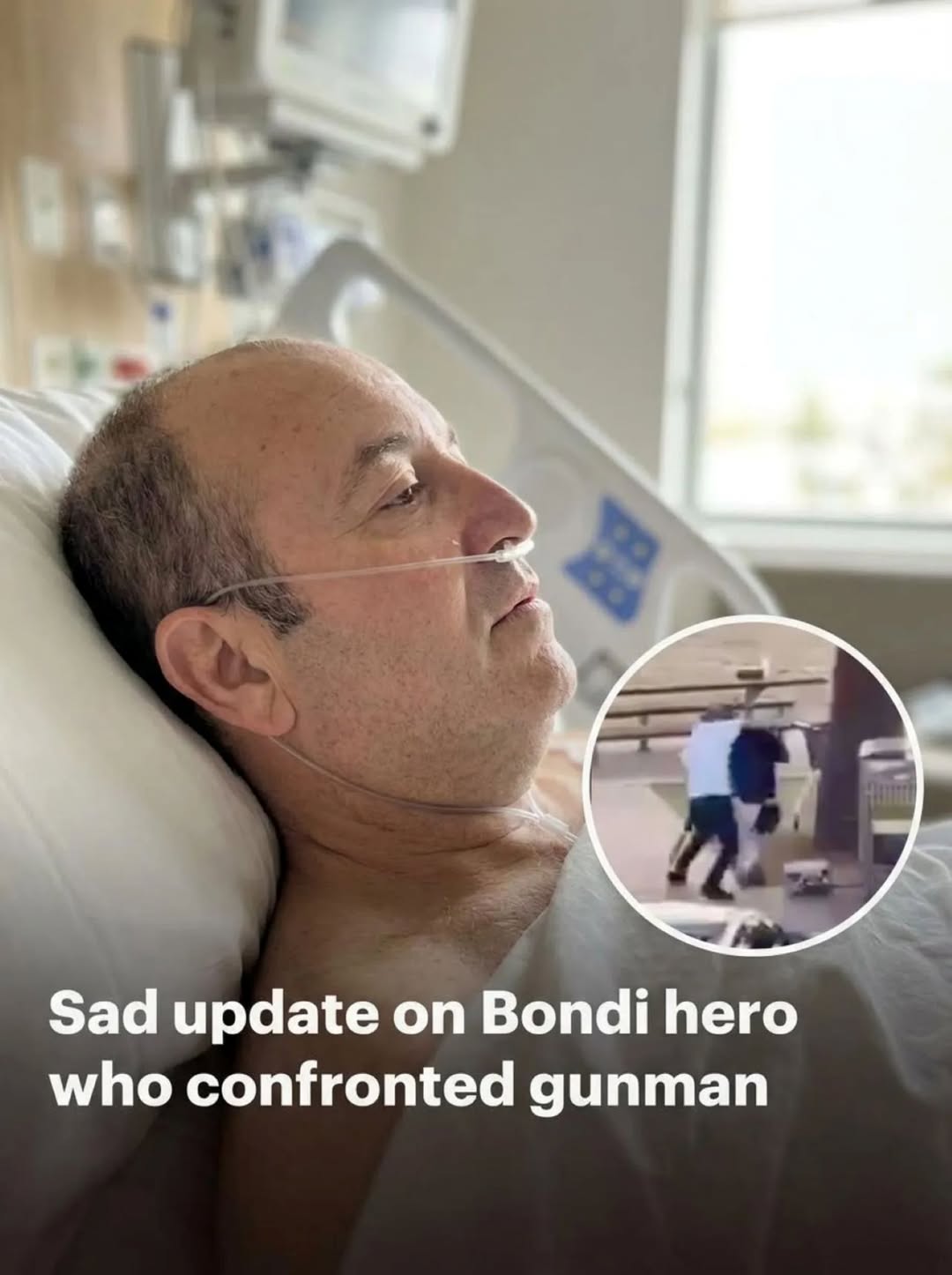
Bondi Hero Continues Recovery as New Health Update Is Shared
Ahmed Al-Ahmed, the Sydney shop owner whose quick thinking and courage helped limit harm during the Bondi Beach incident, is continuing his recovery as new details emerge about his health. Initial reports suggested minor injuries, but those close to him now say his condition has been more complex than first believed. The 43-year-old father of two became widely known after stepping in during a moment of danger and confronting an armed individual. Video footage later showed Al-Ahmed approaching from behind, restraining the person, and securing the weapon. Many believe his actions helped prevent the situation from becoming even more serious. Across Australia, his bravery has been recognized as a powerful example of selflessness during a deeply distressing event.
A More Complex Recovery Than First Believed
While public attention has focused on his heroic actions, Al-Ahmed has been quietly facing a difficult medical recovery. He remains under care at St George Hospital, where doctors are monitoring several significant injuries. According to his former migration lawyer, Sam Issa, Al-Ahmed has undergone multiple medical procedures and is experiencing reduced sensation in one arm, which may indicate nerve-related complications. One of his injuries requires ongoing observation, and treatment is continuing as doctors assess his progress.
Nerve-related symptoms like reduced sensation are not unusual after serious physical trauma. Nerves can be bruised, stretched, or compressed during violent incidents, and recovery often takes time. Medical teams typically monitor such symptoms closely, watching for improvement, stability, or changes that might call for additional treatment. Multiple procedures over weeks or months are common when injuries are complex, as doctors address one issue at a time and reassess between stages.
Emotionally Strong, Focused on Healing
Despite these challenges, those close to him say Al-Ahmed remains emotionally strong. Issa shared that he has expressed no regret about intervening and said his actions were driven by instinct and a desire to protect others. Friends and family describe him as grateful for the support he has received and focused on healing.
This combination of physical difficulty and emotional resilience is something rehabilitation specialists see often. Recovery from serious injury is rarely just physical. Pain, limited mobility, and long hospital stays take a toll on mood and independence. Support from family, friends, and community can make a meaningful difference, giving patients motivation through slow and sometimes frustrating progress. Feeling grateful and staying focused on healing, as those close to Al-Ahmed describe, are genuinely positive signs in a long recovery.
The Night That Changed Everything
The incident occurred during the Hanukkah by the Sea gathering, a community event where families had come together peacefully to mark the start of the holiday. The attack resulted in the loss of many lives and left others injured, making it one of the most confronting public safety incidents in Australia in recent decades.
Family members later revealed that, moments before stepping in, Al-Ahmed asked a relative to pass along a message to his loved ones, fearing he might not return. Al-Ahmed, a Muslim who immigrated from Syria more than ten years ago, later explained that his decision to act was guided by faith, compassion, and a strong sense of moral responsibility. He said he could not stand by while others were in danger, regardless of who they were.
Recognition From Leaders
Leaders in Australia and abroad have publicly acknowledged his actions. Prime Minister Anthony Albanese said the incident showed how Australians can step forward to help complete strangers in times of crisis. New South Wales Premier Chris Minns described Al-Ahmed as a genuine hero whose actions helped protect lives. Messages of support have also come from international figures, reflecting the global attention his story has received.
Public recognition can be a double-edged experience for people recovering from trauma. On one hand, knowing that your actions mattered to others can be deeply affirming. On the other hand, sudden fame brings media attention, public expectations, and a spotlight that can feel overwhelming during a vulnerable time. What those close to Al-Ahmed describe, a man grateful for support and focused on healing, suggests he is navigating this with the same steadiness he showed that night.
Understanding Recovery After Serious Injury
While every patient's situation is unique, recovery from multiple significant injuries generally follows a pattern that families find helpful to understand:
- Acute care: Doctors stabilize injuries and address the most urgent problems first.
- Staged procedures: Complex injuries are often treated in phases, with healing time between operations.
- Monitoring: Symptoms like reduced sensation are tracked over time, since nerves can recover slowly.
- Rehabilitation: Physiotherapy and occupational therapy help restore strength, movement, and daily function.
- Emotional recovery: Counseling or peer support can help process traumatic experiences alongside physical healing.
Patience is one of the hardest parts. Progress after serious injury is often measured in small gains over months, not dramatic changes overnight. Having realistic expectations, set in conversation with the medical team, helps patients and families stay steady through the process.
Supporting Survivors and Their Families
For communities watching someone like Al-Ahmed recover, there are meaningful ways to help without intruding. Respecting privacy, especially around medical details, matters enormously. Practical support, such as help with daily tasks for the family, often means more than grand gestures. And for the many people affected by the wider tragedy, professional counseling services and community support programs exist to help process grief and trauma. No one has to carry such experiences alone.
Frequently Asked Questions
What is known about Ahmed Al-Ahmed's current condition?
According to his former migration lawyer Sam Issa, Al-Ahmed remains under care at St George Hospital with several significant injuries. He has undergone multiple procedures and is experiencing reduced sensation in one arm, which may indicate nerve-related complications. One injury requires ongoing observation.
Why do nerve injuries take so long to heal?
Nerves regenerate slowly, and recovery depends on the type and extent of the damage. Medical teams monitor symptoms over time and adjust treatment as healing progresses.
How can the public support recovering survivors?
Respect their privacy, offer practical help to families, and support legitimate fundraising or community efforts. Avoid spreading unverified medical details or pressuring survivors for their story.
Is it common for trauma survivors to experience emotional effects later?
Yes. Physical recovery and emotional recovery often run on different timelines. Professional support is available and widely recommended for anyone struggling after a traumatic event.
This article is for informational purposes only and is not medical advice. Please consult a qualified professional.

