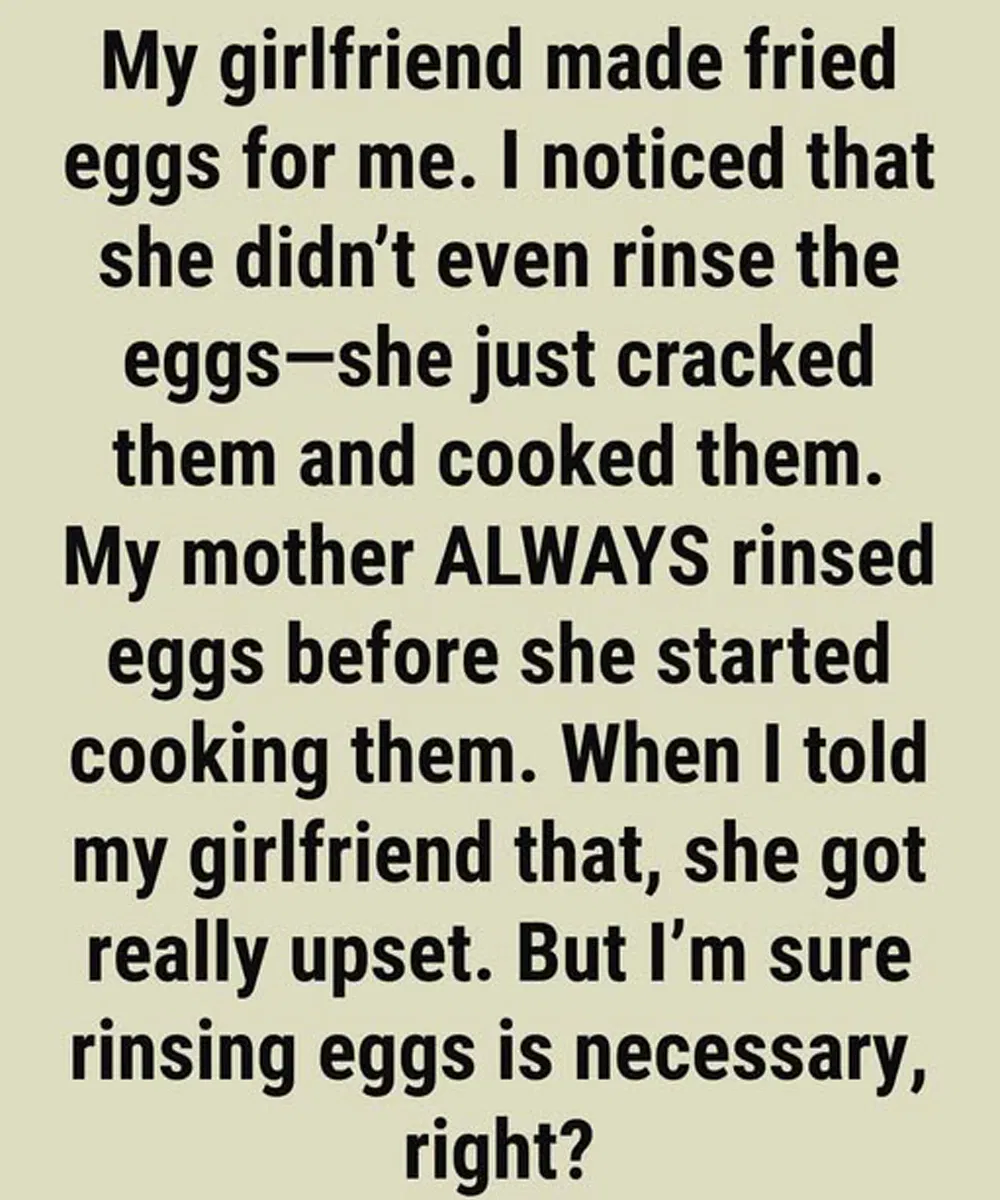
Do You Need to Wash Eggs Before Using Them?
Eggs are a kitchen essential, but one question often sparks debate: should they be washed before use? The answer might surprise you. It is not as straightforward as it seems.
Why Some People Wash Eggs
Many wash eggs out of habit or to make sure they are clean. It feels intuitive: rinse off whatever might be on the shell before cracking it. However, eggs come with a natural protective layer called the cuticle, or bloom. Think of it as a built-in shield against bacteria.
The Egg's Natural Protection
The cuticle is a thin coating that seals the tiny pores in the eggshell. It keeps bacteria out and prevents moisture from escaping. Washing eggs removes this layer, making the egg more vulnerable to contamination. This is why unwashed eggs with the cuticle intact carry very little bacterial risk under normal handling.
This natural coating is also the reason egg handling differs so much around the world. In the United States and a few other countries, commercial eggs are washed at processing plants, which is why they must be refrigerated afterward. The washing removes the cuticle, so refrigeration steps in as the safety measure. In many European countries and elsewhere, eggs are not washed commercially, and they are often sold and stored at room temperature.
What About Salmonella?
Salmonella is often the main concern when handling eggs. Luckily, unwashed eggs with their cuticle intact are well protected. The natural coating acts as a barrier to bacteria, and the inner membrane beneath the shell adds another layer of defense.
If you are still cautious, cooking eggs thoroughly, like boiling them, adds extra safety. High heat kills surface bacteria, and the eggshell's inner membrane keeps water from getting inside. Thoroughly cooked eggs are safe for virtually everyone.
When Washing Does Make Sense
There are situations where a quick rinse is reasonable:
- Farm-fresh or backyard eggs that arrive visibly dirty with mud, feathers, or droppings
- Eggs with cracked shells, which should be used immediately and cooked thoroughly rather than stored
- When you are unsure of the source, such as eggs from a market stall where hygiene is unclear
If you do wash eggs, use water that is warmer than the egg itself, then dry them and refrigerate them promptly. Once the cuticle is gone, the egg needs cold storage to stay safe.
Eggs and the Float Test
Not related to washing, but useful: to check freshness, place an egg in a bowl of water. A fresh egg sinks and lies flat. An older but still usable egg stands upright on the bottom. A floating egg has a large air cell and should be discarded. The float test is about age, not safety from bacteria, but it pairs well with good handling habits.
Safe Handling Basics
Whether you wash your eggs or not, a few habits matter most:
- Store eggs in the refrigerator in their original carton to protect them from absorbing odors
- Wash your hands, utensils, and surfaces after contact with raw eggs
- Cook eggs until both the white and yolk are firm, especially for vulnerable groups
- Do not taste raw batter containing eggs
How to Store Eggs Properly
Storage matters as much as washing decisions:
- Keep eggs refrigerated. Once eggs have been refrigerated, they should stay refrigerated. Moving them in and out of the cold causes condensation, which can draw bacteria through the shell.
- Use the original carton. The carton protects eggs from cracking and prevents them from absorbing strong odors from other foods.
- Store them on a shelf, not the door. The refrigerator door is the warmest spot and experiences the most temperature swings. A middle shelf is more stable.
- Keep the pointed end down. This keeps the yolk centered and the air cell at the top, which helps the egg stay fresh longer.
Properly stored eggs typically stay good for three to five weeks in the refrigerator.
Decoding Egg Labels
Egg cartons carry a lot of information, and a few terms are worth understanding:
- Best-by or sell-by date: a quality guideline, not a strict safety deadline. Eggs are often fine for a while past these dates if stored properly.
- Pack date: in some regions, cartons show a Julian date (001 to 365) indicating the day of the year the eggs were packed.
- Grade AA, A, or B: a quality rating based on the firmness of the white and yolk. Grade AA is the highest quality, but all grades are safe to eat.
Buying Tips for the Best Eggs
- Open the carton in the store and check for cracked or leaking shells. One broken egg can contaminate the others.
- Choose eggs from a refrigerated display. If they feel warm, something is wrong with the store's handling.
- If you buy from a farmers market, ask the seller how the eggs were handled and whether they were washed. Buy from vendors you trust.
Frequently Asked Questions
Can I eat eggs past the date on the carton?
Often, yes. The float test and a simple sniff test are better indicators than the printed date. If an egg smells bad when cracked, discard it regardless of the date.
Why do American eggs need refrigeration but European eggs don't?
American commercial eggs are washed during processing, which removes the protective cuticle, so they need refrigeration to stay safe. In many European countries, eggs are not washed, so the cuticle stays intact and room-temperature storage is the norm. Neither system is inherently unsafe; they are just different approaches.
Should I wash farm eggs before refrigerating them?
If farm eggs arrive clean and dry, you can refrigerate them as-is. If they are visibly dirty, wash them in warm water, dry them, and refrigerate promptly. Once washed, treat them like commercial washed eggs and keep them cold.
The Bottom Line
In the end, whether to wash eggs is a personal choice, depending on your comfort level and the source of the eggs. Eggs from a reputable supplier can safely be used without washing if proper handling practices are followed. Appreciate the egg: its natural coating protects it, and its versatility makes it a kitchen staple. Next time you make an omelet or a batch of deviled eggs, remember the humble egg and its remarkable cuticle.