
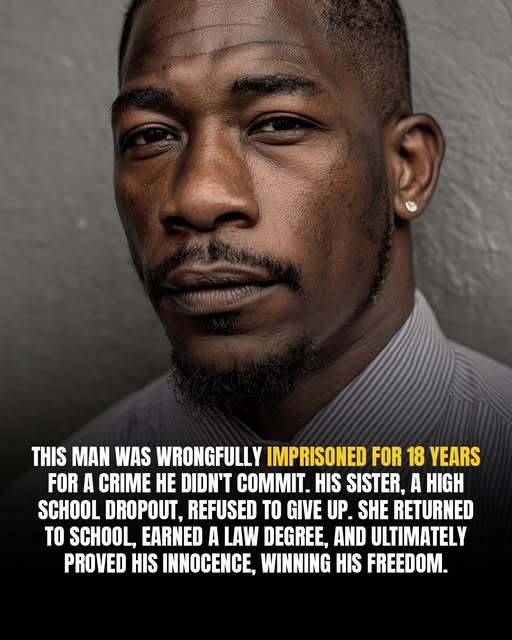
Eighteen Years Lost: How a Sister's Unwavering Love Set an Innocent Man Free
Stories about a wrongfully convicted person freed after years behind bars, thanks to a devoted family member who refused to give up, grip readers for good reason. They combine two powerful forces: the horror of an innocent person losing decades of life, and the hope that love and persistence can correct even the gravest injustice.
Whether any particular version of such a story is literally true, the underlying realities are well documented: wrongful convictions happen, families bear the weight of long legal battles, and the emotional toll lasts far beyond release day. This article does not retell one anecdote as fact. It offers honest, general guidance for anyone supporting a loved one through a disputed conviction or a long fight for justice.
Why These Stories Hit So Hard
A wrongful conviction is a unique kind of tragedy. It steals time that can never be returned, and it does so with the authority of the system meant to prevent it. For families, the pain has layers: grief for the person as they were, anger at the process, guilt for not preventing it, and exhaustion from years of appeals that go nowhere.
The sibling in these stories, often with no legal background and few resources, becomes an advocate out of love. That arc inspires because it suggests an ordinary person can stand against a system and win. The truth is more complicated: such fights are long, expensive, and often unsuccessful. Understanding that reality is the first step to helping effectively.
Understanding the Long Road
If you believe a loved one was wrongfully convicted, it helps to understand what you are facing. Legal systems vary enormously by country and region, so treat the following as general orientation, not legal advice:
- Appeals have strict deadlines and narrow grounds. A direct appeal usually must be filed quickly after conviction and generally argues legal errors at trial, not simply that the verdict felt wrong.
- Post conviction options differ by place. These may include new trials based on new evidence, sentence reviews, pardons, or clemency petitions. The names and rules change with jurisdiction.
- New evidence is the usual key. Cases are most often reopened when genuinely new evidence appears: DNA testing, recanted testimony, newly discovered documents, or proof of official misconduct.
- Time works against you. Evidence degrades, witnesses disappear, memories fade. Acting promptly and preserving everything matters.
- You need a lawyer. Passion is not a substitute for legal expertise. Look for attorneys experienced in appeals or post conviction work in the relevant jurisdiction. Many offer initial consultations.
This is general information only. For any real case, consult a qualified criminal defense or appellate attorney in the place where the conviction occurred.
What Families Can Actually Do
Devotion alone does not free anyone, but organized, sustained effort can make a real difference. Practical steps:
- Preserve everything. Trial transcripts, police reports, correspondence, news clippings, photos, timelines. Organize it chronologically and keep copies in more than one place.
- Build a clear timeline. A clean, factual timeline of events is the single most useful document you can create. Lawyers and advocates need facts in order, not emotions in bulk.
- Research reputable innocence organizations. In many countries, nonprofit legal organizations review claims of wrongful conviction. They are selective and slow, but they are often the best path for cases without money for private counsel. Check their intake criteria carefully before applying.
- Document new developments. If a witness recants, new forensic methods emerge, or documents surface, record dates, names, and details immediately.
- Be cautious with publicity. Media attention can help or harm. Discuss any public campaign with the attorney first; a badly timed story can complicate legal strategy.
- Keep expectations honest. Most post conviction efforts fail. Hope is necessary, but planning your life around a single outcome is dangerous. Sustainable advocacy beats frantic advocacy.
Supporting the Incarcerated Person
While the legal fight continues, the person inside needs you in the present:
- Stay in regular contact. Letters, calls, and visits are lifelines. Consistency matters more than length; a short letter every week beats a long one twice a year.
- Send news of the ordinary world. Life goes on outside, and hearing about it, family events, sports, small daily details, keeps a person connected to living rather than just surviving.
- Respect their coping. Some incarcerated people need to talk about the case constantly; others need to talk about anything but. Follow their lead.
- Watch for mental health struggles. Long term incarceration, especially when unjust, carries severe psychological weight. Encourage use of available counseling and take any talk of self harm with utmost seriousness, alerting facility staff and family immediately.
- Help with practical needs. Commissary funds, books, educational materials, and help navigating prison systems all make daily life more bearable.
Taking Care of Yourself as the Advocate
The sister in these stories often sacrifices her education, career, health, and relationships to the fight. Real advocates face the same risk. You cannot pour from an empty cup for eighteen years:
- Set sustainable rhythms. An hour of case work most days beats marathon sessions followed by collapse.
- Keep your own life. Work, friendships, rest: these are not betrayals of the cause. They are what keep you able to continue it.
- Find your people. Support groups for families of incarcerated people exist in many places. Talking to others who understand reduces isolation enormously.
- Get professional support. Therapists experienced with grief, trauma, or family systems can help you carry what this costs.
- Accept help. Let others share the load: research, fundraising, letter writing, childcare. Movements are team efforts.
If Release Comes: The Work Is Not Over
Freedom day is the beginning of a second hard chapter. Reentry after long incarceration, especially wrongful, brings challenges few anticipate:
- Practical rebuilding. Housing, ID documents, bank accounts, job skills, technology: the world changes fast, and catching up takes patient help.
- Emotional complexity. Relief mixes with rage, grief for lost years, and difficulty trusting anyone. Professional counseling is strongly advisable.
- Compensation claims vary. Some jurisdictions offer compensation for wrongful imprisonment; many offer little or nothing. An attorney can advise on what exists where you live.
- Let them set the pace. Some freed people want to tell their story publicly; others want quiet. Follow their lead, not the family's narrative needs.
- The relationship changes. The dynamic built around the fight must evolve into something new. That takes time and honesty on both sides.
Frequently Asked Questions
How common are wrongful convictions?
They are difficult to count precisely because many are never discovered, but documented exonerations number in the thousands across various countries. Experts generally agree the true number is higher than the confirmed cases.
What is the strongest basis for reopening a case?
Usually genuinely new evidence that was not available at trial: DNA results, credible recantations, proof of withheld evidence, or new forensic science. Legal arguments alone, without new facts, face long odds in most systems.
Should our family talk to the media?
Only with legal guidance. Publicity can attract help and resources, but it can also harden positions and complicate proceedings. An experienced attorney should be part of that decision.
How do we choose an innocence organization or lawyer?
Look for a track record in post conviction work specifically, clear intake criteria, and honest communication about odds. Be wary of anyone who guarantees results or demands large upfront fees without a clear plan.
How do I keep going when appeals keep failing?
Grieve each setback without letting it define the whole effort. Lean on community, maintain your own health, and remember that persistence means staying in the fight sustainably, not burning out in a blaze.
Love, Persistence, and Honest Hope
The image of a sister who would not stop is powerful because it is about more than one case. It is about what love looks like when it refuses to accept injustice: organized, patient, honest about the odds, and unwilling to quit. Not every fight ends in freedom, but every fight fought with dignity honors the person at its center. And sometimes, against the longest odds, the door does open.



