Only four months after the tragic loss of her husband, Erika Kirk has once again found herself in the public spotlight. This time, the attention centers on a deeply personal development. Reports that Kirk has begun a new romantic relationship have sparked widespread discussion online, drawing reactions that range from empathy and encouragement to criticism and debate.
The loss of Kirk’s husband was a heartbreaking event that received significant media coverage. Many people followed the story closely and expressed sympathy for her and her family. Friends, supporters, and members of the public acknowledged the profound pain that comes with losing a spouse in such a sudden and tragic way. In the months that followed, Kirk largely stepped back from public visibility, focusing on her children and navigating life after unimaginable change.
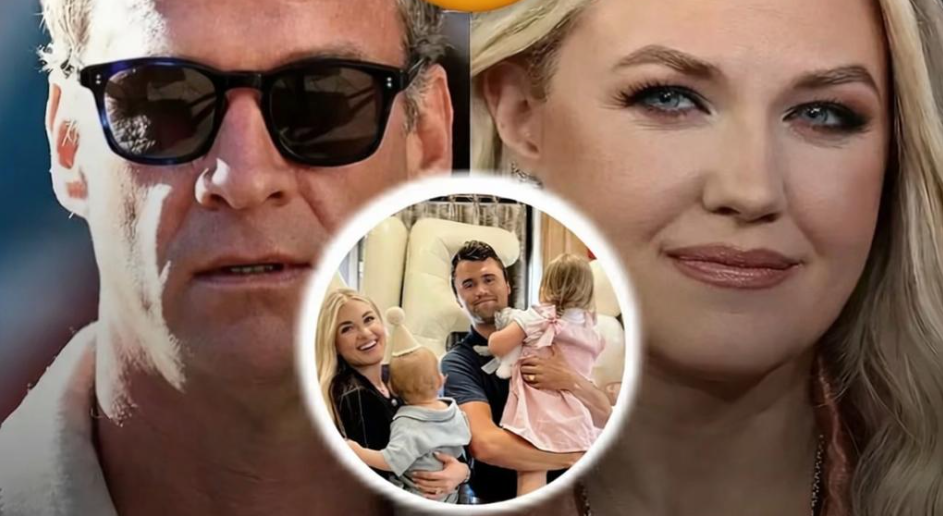
Recent photos and reports suggesting that Kirk has entered a new relationship have brought renewed attention to her private life. For some observers, this development represents a natural step in the healing process. Others have questioned the timing, fueling a broader conversation about grief, recovery, and the expectations often placed on widows.
Mental health professionals frequently explain that grief does not follow a predictable pattern. There is no universal timeline that determines when someone should feel ready to open their heart again. Coping with loss is deeply personal, shaped by individual resilience, support systems, and emotional needs. For certain individuals, forming a new connection can be part of rebuilding stability rather than an indication that the past has been forgotten.
Supporters have expressed this view openly. Many argue that choosing to move forward emotionally does not erase the love she shared with her late husband. It does not reduce the importance of their life together or the depth of her loss. Instead, it may reflect an effort to regain a sense of normalcy and hope. Online comments from supporters highlight the belief that every person deserves the opportunity to seek happiness after enduring trauma.
At the same time, some critics have voiced discomfort. They question whether four months is enough time and whether public figures carry a greater responsibility to consider public perception. These responses reveal how grief, especially when experienced by someone in the public eye, is often measured against rigid and unrealistic standards.
The conversation has also reopened discussions about how society views widows and widowers differently. Social observations suggest that women may face more intense scrutiny when they begin dating after the loss of a spouse. Widowers are frequently encouraged to rebuild their lives, while widows sometimes encounter expectations of extended mourning as a demonstration of loyalty. These differing perceptions add complexity to an already sensitive situation.
Another important aspect involves the presence of children in Kirk’s life. Parenting through grief requires strength and adaptability. Many supporters emphasize that children benefit from seeing resilience and emotional stability in a parent. A thoughtful and healthy relationship can provide additional support, companionship, and security within the family environment. Stability at home often plays a key role in helping children process their own emotions.
So far, Kirk has not released an official statement addressing the reports or the public reaction. Her silence may reflect a desire to maintain privacy during an emotionally charged period. In today’s digital landscape, personal milestones are frequently analyzed and debated across social media platforms. Choosing not to respond publicly can serve as a way to establish boundaries and protect personal space.
The situation highlights how quickly private grief can become a topic of public discussion. It brings forward important questions about compassion, judgment, and the right to rebuild one’s life after loss. Tragedy reshapes circumstances in ways that outsiders may never fully understand.
As conversations continue, many voices are urging empathy rather than criticism. Healing is not linear, and it does not unfold according to a schedule that others can dictate. Whether someone finds comfort in family, friendship, faith, or a new relationship, the path forward is personal.
In the end, this story extends beyond headlines about a new relationship. It speaks to survival after trauma, the complexity of public life, and the universal human need for connection. Recovery often requires courage, and the journey belongs to the person living it.