
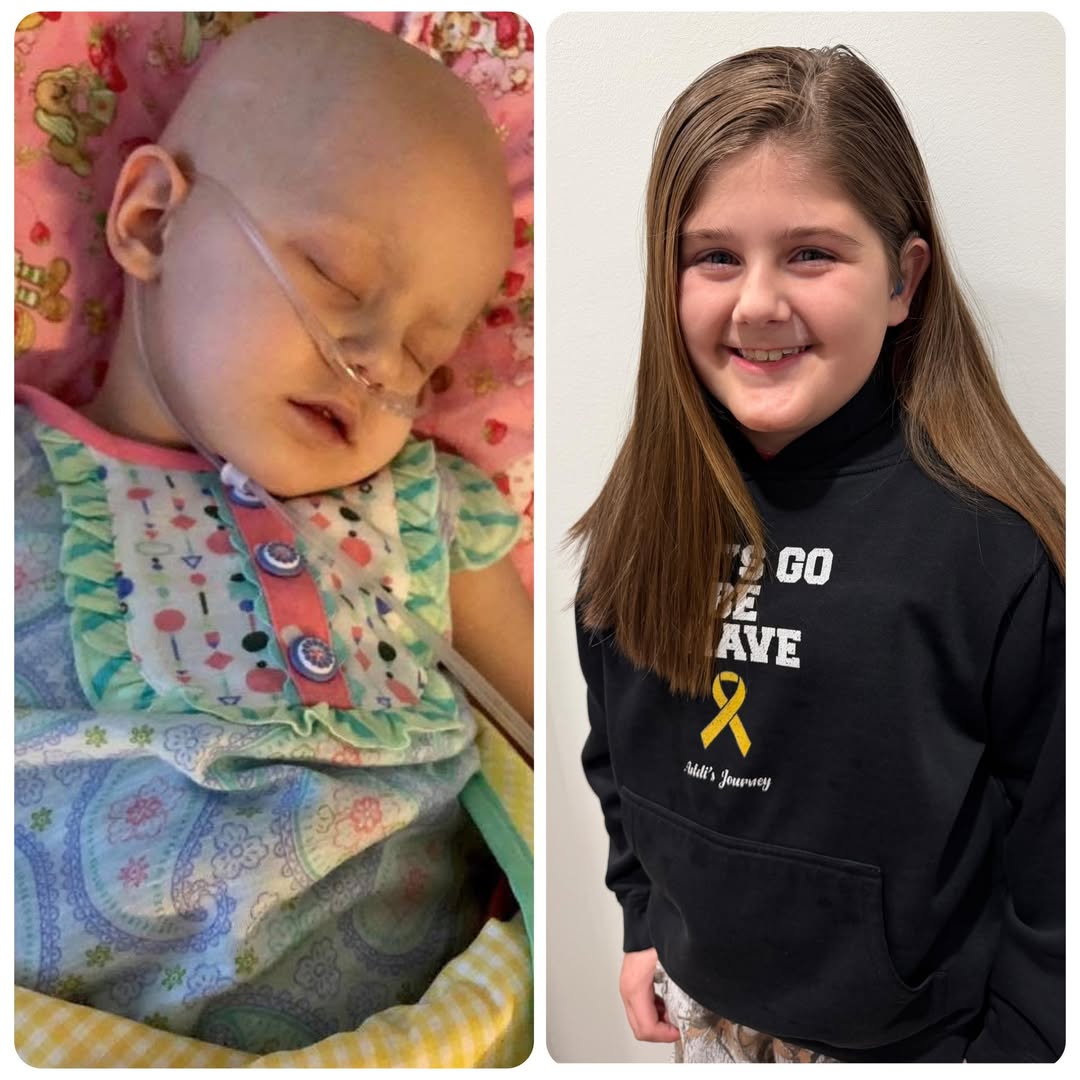
Happy Miracle Day: Celebrating Seven Years of Strength, Faith, and Hope
Seven years ago, our family faced one of the most frightening days of our lives. Our sweet girl, Addi, was suddenly in critical condition. What began as a medical emergency quickly became a battle for her life. Doctors worked tirelessly as her body struggled with acute liver failure and other serious complications.
In those overwhelming moments, fear felt heavy and the future uncertain. Standing in that hospital room, watching teams of medical professionals do everything they could, is a memory forever etched in our hearts. Addi was unresponsive, and the situation was dire. We were told to prepare for the worst. No parent is ever ready to hear those words.
But that day was not the end of her story. Instead, it became the beginning of a journey marked by resilience, unwavering faith, and extraordinary medical care.
The Long Road Back
Her recovery was not instant. It unfolded over hours, days, and months. There were setbacks and sleepless nights, countless prayers, and moments when hope was the only thing we could hold onto.
Through the dedication of an incredible medical team and the steadfast support of family, friends, and community members who lifted her up in prayer, Addi slowly began to heal. Step by step, milestone by milestone, she fought her way back.
Anyone who has sat vigil in a pediatric ICU knows the strange texture of that time. Life narrows to beeping monitors, whispered consultations in hallways, and the search for meaning in tiny fluctuations on a chart. You learn medical vocabulary you never wanted to know. You discover reserves of endurance you didn't know you had. And you learn, profoundly, how much of life is out of your control, and how much of love is showing up anyway.
What "Miracle Day" Means to Us
Today, seven years later, we celebrate what we lovingly call her "Miracle Day." Addi is now a vibrant, joyful, and compassionate young girl, the kind of child who lights up rooms and seems to carry sunshine with her wherever she goes.
We call it Miracle Day not because we think medicine didn't matter, it mattered enormously, and we are forever grateful to the doctors, nurses, and specialists who fought for her. We call it that because her survival felt like grace layered on top of science: the right team, the right timing, the right small mercies, all converging when we needed them most.
The anniversary isn't really about looking backward. It's about marking, once a year, the preciousness of what we almost lost and the gratitude we never want to stop feeling.
What Seven Years Taught Us
Faith and medicine are partners, not opponents. We prayed constantly, and we are convinced those prayers mattered. We also followed every medical recommendation with equal devotion. Trusting God and trusting doctors were never in tension for us. They were two hands holding the same child.
Community carries what families can't. The meals, the childcare for our other kids, the prayer chains that stretched across states, the friends who simply sat with us in silence: we could not have survived those months without our people. If you ever wonder whether showing up matters, it does, immeasurably.
Children are astonishingly resilient. Addi's body fought with a ferocity that humbled every adult in the room. Kids possess a will to heal that medicine can support but never fully explain.
Gratitude is a practice. It's easy to feel thankful on Miracle Day itself. The harder, more transformative work is carrying that gratitude into ordinary Tuesdays: the school drop-offs, the scraped knees, the bedtime stories. We've tried to live like people who know how close they came to losing it all, because we do.
Hope is a discipline. In the darkest hours, hope wasn't a feeling. It was a decision we remade daily, sometimes hourly. We chose it when the numbers were bad. We chose it when we were exhausted. And eventually, the feeling caught up with the choice.
Celebrating: Then and Now
Our Miracle Day celebrations have evolved. In the early years, they were tearful and raw, more relief than festivity. We'd visit the hospital to thank the staff, release balloons, and hold each other a little tighter.
Now, seven years on, the day has a joyfulness that would have been unimaginable then. There's cake. There are friends. Addi herself leads the celebration, which feels exactly right: the girl we almost lost is the one blowing out the candles.
We've also made it a day of giving back. Each Miracle Day, our family does something for another family facing a medical crisis: a donation, a meal train, a care package for a PICU waiting room. Gratitude that doesn't move outward eventually stagnates. Ours moves.
To Families in the Waiting Room Right Now
If you're reading this from a hospital chair, in the middle of your own frightening chapter, we want you to know: we see you. We remember the particular exhaustion, the particular fear, the particular way time moves in those rooms.
We can't promise your story will unfold like ours. Every child's journey is different, and we hold deep tenderness for families whose endings weren't what they prayed for. But we can promise this: you are not alone, your love matters more than you know, and hope is always a worthy discipline, even when it's hard.
Seven years ago, we were told to prepare for the worst. Today, we're preparing a birthday-style celebration for a thriving seven-year-old. Miracles don't always look like we expect. Sometimes they look like a little girl, laughing, with cake on her face, completely unaware of how close the world came to missing her.
Happy Miracle Day, Addi. Here's to many more.
Frequently Asked Questions
What is acute liver failure in children?
It's a rare, rapid loss of liver function in a child without pre-existing liver disease. It can be caused by infections, metabolic disorders, toxins, or sometimes no identifiable cause, and it requires urgent, specialized medical care.
What does recovery from critical illness look like for a child?
It varies widely, but typically involves gradual stabilization, step-down from intensive care, rehabilitation, and long-term follow-up. Children's bodies often heal remarkably, though the timeline can span months.
How can friends support a family with a critically ill child?
Provide meals, help with siblings and logistics, offer specific assistance rather than vague offers, respect their emotional bandwidth, and keep showing up over the long haul, not just in the first crisis days.
Is it common for families to mark medical anniversaries?
Yes. Many families commemorate the anniversary of a child's survival or transplant with celebrations, fundraisers, or acts of service. These rituals help process trauma and honor gratitude.
How do you balance faith and medical decision-making?
Many families find they complement each other: prayer and spiritual community provide emotional and existential support while medical teams provide clinical care. Open communication with doctors about values and beliefs helps align both.



