I Thought I Was Just Helping a Girl at School 12 Years Later, I Learned How Much It Truly Meant
I can still remember her shy smile like it was yesterday. She sat two rows away from me in our fifth-grade classroom, bright, polite, but always quiet when lunchtime came around. Every day, as everyone opened their lunchboxes and chatted, she would linger by her backpack, pretending to search for something. Then, in a soft voice, she'd say, "My mom forgot again."
The Girl Who Went Without
Most kids didn't notice, but I did. There was something about her quiet acceptance that stayed with me. She wasn't making a scene or asking for help. She was just quietly going without, day after day, with a dignity that seemed far too big for a fifth grader.
Childhood hunger often hides in plain sight. The kids who need food the most are frequently the ones least likely to ask for it. Shame keeps them quiet. Pride keeps them pretending. And so they linger by their backpacks, saying "my mom forgot again," while their stomachs ache through afternoon classes.
That evening, I told my mom about her.
Two Lunches Instead of One
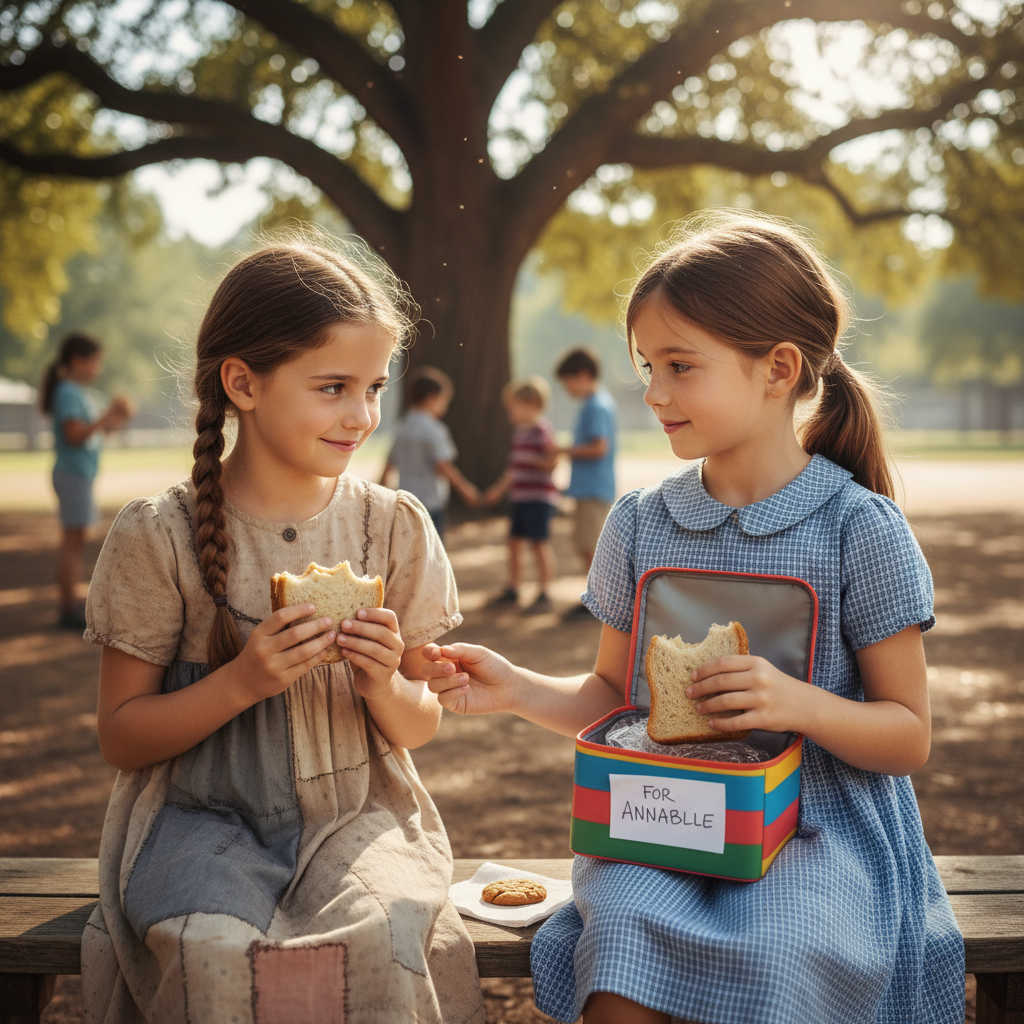
The next day, my mom packed two lunches, one for me, and another "just in case someone needs it." From then on, that became our little routine. Each morning, I'd hand her the extra lunch, pretending it was nothing.
My mom understood something important: she didn't make it a charity project or a big deal. She just quietly added one more sandwich, one more piece of fruit, one more small act of normalcy to a girl's day. The casualness was the kindness. Nobody was singled out. Nobody was pitied.
Slowly, she began to smile more, talk more, and laugh more. Those lunches became a small but special part of our school days. Food does that. When a child's basic needs are met, everything else has room to grow: confidence, friendship, the ability to just be a kid.
Life Moves On
Time passed. We went to different schools, made new friends, and life moved on, as it always does. But every now and then, I'd think about her and wonder how she was doing.
That is the nature of small kindnesses. You do them, you forget the details, and life carries you forward. You rarely get to see what happens next. Most of the time, you never know.
Twelve Years Later
One evening, my phone rang. It was an unfamiliar number. When I answered, a warm, familiar voice said my name. It was her.
She told me she had been looking for me, not for any reason other than to say thank you. Her words caught me completely off guard. She explained that, back then, her family had been going through a very difficult time. Those lunches weren't just food, they were reminders that someone noticed her. That she mattered. That she wasn't invisible.
"You didn't just give me food," she said gently. "You gave me the feeling of being cared for."
Her words left me speechless. What I had seen as a small act of kindness had been something far greater for her.
The Ripple Effect
Then she told me something that nearly brought me to tears: she had started a local program that provides free lunches to children in need, inspired by the kindness she once received.
Think about that chain of events. One mother packing an extra lunch. One kid handing it over without making it weird. One girl who felt seen instead of invisible. And twelve years later, a whole program feeding children who are sitting in classrooms right now, lingering by their backpacks, saying their mom forgot again.
That night, after we hung up, I sat quietly for a long time. I had simply wanted to help a friend, but that simple gesture had grown into something much bigger, something that continues to help others even today.
Why Small Kindnesses Matter So Much
It reminded me that kindness doesn't always need to be grand or dramatic. Sometimes, the smallest things, a meal, a smile, a kind word, can echo for years and touch more lives than we'll ever realize. Because when you show care, even in small ways, you plant seeds of compassion that can keep growing long after you're gone.
Research on prosocial behavior backs this up. People who receive unexpected kindness are more likely to help others in turn, a phenomenon psychologists call "upstream reciprocity." Kindness literally reproduces itself. The girl who received lunches grew up to run a lunch program. The children in that program may one day do the same for someone else.
Ways to Plant Your Own Seeds
- Notice the quiet ones. The kids, coworkers, or neighbors who never ask for help are often the ones who need it most.
- Make kindness casual. The less fanfare, the more dignity the other person keeps.
- Involve your family. My mom's example taught me more than any lecture could.
- Think long term. You may never see the result, and that is okay. Plant the seed anyway.
- Start where you are. An extra lunch, a shared meal, a donated bag of groceries. Small is enough.
Frequently Asked Questions
What happened in fifth grade?
A shy classmate regularly went without lunch, quietly saying her mom forgot. The narrator told their mother, who began packing an extra lunch each day, which the narrator handed over casually.
What did the girl say twelve years later?
She called to say thank you, explaining that her family had been going through a very difficult time and that the lunches were reminders that someone noticed her and that she mattered.
What did she do with that experience?
Inspired by the kindness she received, she started a local program that provides free lunches to children in need.
Why is this story meaningful?
It shows how small, quiet acts of kindness can ripple outward for years, inspiring recipients to help others in turn, often in ways the original giver never sees.
How can I help hungry children in my own community?
Look into local food banks, school backpack programs, and community lunch initiatives. Even packing an extra lunch or donating groceries can make a real difference.