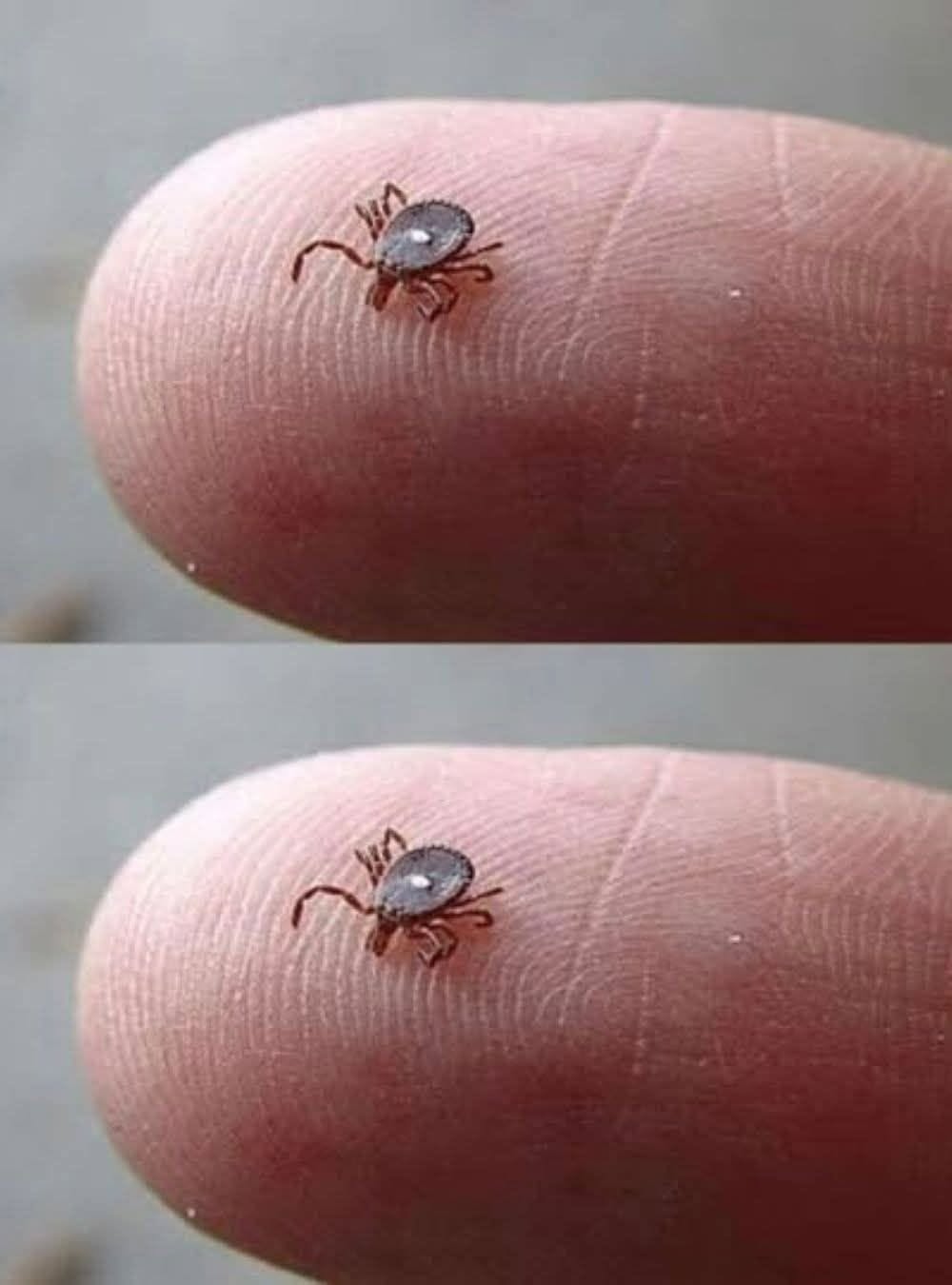
Spending time outdoors is a wonderful way to enjoy nature, but it can also increase your chances of encountering ticks. These tiny parasites are commonly found in wooded areas, tall grass, parks, gardens, and even some residential yards. Although most tick bites do not cause serious health problems, knowing how to respond quickly and correctly can help reduce the risk of complications.
If you discover a tick attached to your skin, staying calm and taking the right steps is the best approach.
Remove the Tick Carefully
Proper removal is one of the most important steps after finding a tick. Using fine-tipped tweezers, gently grasp the tick as close to the skin as possible. Try to hold it by the mouthparts instead of squeezing the body.
Pull the tick upward with slow and steady pressure. Avoid twisting, jerking, or crushing it, as these actions can make removal more difficult and may leave parts of the tick in the skin.
Once the tick has been removed, thoroughly wash the bite area with soap and water. After cleaning the skin, apply rubbing alcohol or another suitable antiseptic to help keep the area clean.
If possible, place the tick in a small sealed container or resealable plastic bag. Keeping the tick may help healthcare professionals identify its species if symptoms develop later.
Avoid Common Removal Mistakes
Many traditional tick removal methods are no longer recommended because they can make the situation worse. Covering the tick with petroleum jelly, nail polish, gasoline, or other substances should be avoided. Likewise, applying heat with a lighter or match is not considered a safe removal technique.
Twisting the tick or squeezing its body can also increase irritation and make complete removal more difficult. Using fine-tipped tweezers remains the safest and most reliable method.
Clean the Bite and Monitor Your Health
After removing the tick, continue observing the bite area over the following days. Mild redness or slight irritation immediately after the bite is common and often disappears within a short period.
It can be helpful to write down the date of the bite and take a clear photo of the affected area. This provides a useful reference if changes occur later.
Pay attention to any unusual symptoms that develop during the following days or weeks. An expanding rash, fever, chills, headaches, muscle aches, joint pain, unusual fatigue, or signs of infection around the bite should all be taken seriously. While some tick-borne illnesses are associated with a distinctive circular rash, not everyone develops this symptom, so any unexplained illness after a tick bite deserves medical attention.
Know When to Contact a Healthcare Provider
Not every tick bite requires medical treatment, but certain situations should be evaluated by a healthcare professional. If part of the tick remains embedded in your skin, if the tick appears to have been attached for an extended period, or if you develop flu-like symptoms within several weeks, it is wise to seek medical advice.
Medical attention is also recommended if the bite becomes increasingly red, swollen, warm, or begins to produce drainage. People who live in or recently visited areas where tick-borne diseases are common should be especially attentive to any symptoms that appear after a bite.
A healthcare provider can determine whether additional evaluation or preventive treatment is appropriate based on your individual circumstances.
Should You Keep the Tick?
Saving the tick is optional, but it may prove useful if health concerns arise later. In some cases, laboratories can identify the tick species or test it for certain pathogens. However, healthcare providers usually base treatment decisions on a person’s symptoms and overall risk rather than laboratory testing of the tick itself.
If you decide to keep it, store the tick in a sealed container or plastic bag until you receive further guidance.
Reduce the Risk of Future Tick Bites
Preventing tick bites is always easier than treating potential problems afterward. When spending time outdoors, wearing long sleeves and long pants can provide additional protection. Light-colored clothing makes it easier to spot ticks before they attach. Using insect repellents designed to protect against ticks and treating outdoor clothing with appropriate products may also reduce the likelihood of bites.
After returning indoors, perform a thorough check of your body. Ticks often hide behind the knees, under the arms, around the waist, behind the ears, along the scalp, inside the belly button, and around the groin. Showering soon after coming inside may help remove ticks that have not yet attached.
It is also important to inspect pets, backpacks, and clothing, since ticks can easily hitch a ride indoors. Drying clothes on high heat for several minutes can help eliminate any ticks hidden in fabric.
Understanding Alpha-Gal Syndrome
Some tick species have been linked to a rare condition called Alpha-Gal Syndrome. This condition can cause an allergy to red meat that develops weeks or even months after a tick bite. People with this allergy may experience itching, hives, swelling, stomach discomfort, or, in rare cases, a severe allergic reaction several hours after eating foods such as beef, pork, or lamb.
If you experience unexplained allergic symptoms after eating red meat and have recently been bitten by a tick, discuss your symptoms with your healthcare provider.
Final Thoughts
Finding a tick on your skin can be alarming, but most tick bites do not result in serious illness. Removing the tick promptly, cleaning the bite properly, and monitoring your health are the most important steps you can take.
By learning how to respond and practicing simple prevention measures during outdoor activities, you can greatly reduce your risk while continuing to enjoy nature safely