
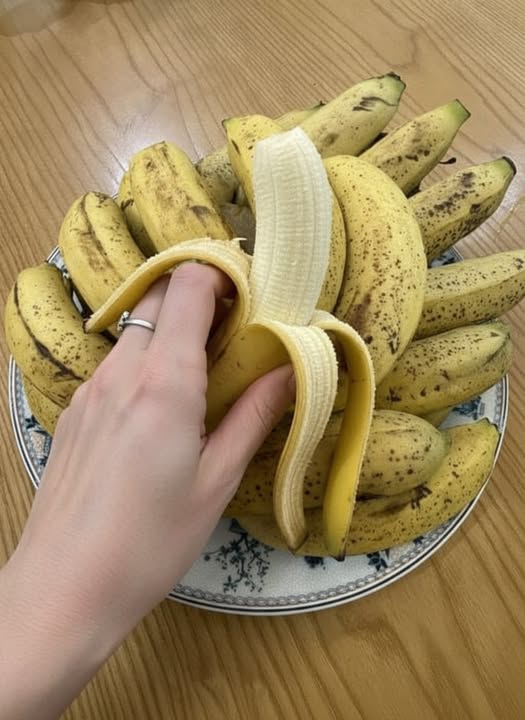
Is a Banana a Healthy Breakfast Choice? What Nutrition Experts Recommend
Bananas are one of the most popular fruits worldwide, valued for their natural sweetness, convenience, and nutritional benefits. Rich in potassium, vitamin B6, magnesium, and dietary fiber, they are often included in daily meal plans and are especially common as a quick breakfast option. Because they are easy to carry and require no preparation, many people choose a banana in the morning when time is limited.
But is a banana alone enough for breakfast? Nutrition experts say the answer depends on how you eat it, what you pair it with, and what your body needs. Let's look at what the science says.
The Nutritional Benefits of Bananas
Bananas pack an impressive nutritional profile into a convenient, portable package. A medium banana contains around 105 calories, along with meaningful amounts of several key nutrients.
Potassium. Bananas are famous for their potassium content, and for good reason. This mineral supports normal muscle and nerve function, helps regulate fluid balance, and plays a role in maintaining healthy blood pressure. Starting your day with potassium-rich foods is a smart move for overall wellness.
Vitamin B6. A single banana provides a significant portion of your daily B6 needs. This vitamin supports brain health, helps the body convert food into energy, and plays a role in mood regulation. Many people find bananas easy to digest and enjoy their mild, comforting effect in the morning.
Magnesium. This often-overlooked mineral supports muscle function, bone health, and energy production. Bananas contribute a useful amount toward daily magnesium needs.
Dietary fiber. Bananas contain both soluble and insoluble fiber, which supports digestive health and helps you feel satisfied. The fiber content varies with ripeness: greener bananas contain more resistant starch, while riper ones have more simple sugars.
Natural carbohydrates. Bananas provide easily digested carbohydrates that the body converts to glucose, the brain's preferred fuel. This makes them useful for people who need an immediate energy boost, such as before exercise or a busy workday.
The Case for Bananas at Breakfast
One of the main advantages of eating a banana in the morning is the quick energy it provides. The natural carbohydrates are absorbed efficiently, giving you a fast lift when you need it most. For early exercisers, busy parents, or anyone rushing out the door, a banana is infinitely better than skipping breakfast entirely.
Bananas also contain nutrients that support focus, mood, and overall well-being. The vitamin B6 helps the body produce neurotransmitters like serotonin and dopamine, which influence how alert and positive you feel. Many people find that a banana in the morning sets a pleasant tone for the day.
Then there's the unbeatable convenience factor. No washing, no cutting, no dishes, no refrigeration. A banana is nature's original fast food, and for hectic mornings, that simplicity matters.
The Potential Downsides of a Banana-Only Breakfast
While bananas do offer several health benefits, eating one on an empty stomach may affect individuals differently depending on their metabolism, activity level, and overall diet.
Quick energy, quick crash. The carbohydrates in bananas are absorbed quickly, which means the energy may not last long. Some individuals experience a drop in energy shortly afterward, especially if the banana is eaten alone. That mid-morning slump many people blame on poor sleep might actually be a blood sugar dip from a carb-only breakfast.
Limited staying power. Bananas contain fiber that helps reduce hunger, but the effect may be short-lived. Because they lack significant protein and healthy fats, some people feel hungry again relatively soon after eating only a banana for breakfast. Protein and fat slow digestion and extend satiety, which is why a banana alone rarely carries you to lunch.
Digestive sensitivity. While most people tolerate bananas well, those with sensitive stomachs may notice mild digestive changes when eating one on an empty stomach. The fruit's fiber and natural sugars can stimulate digestion more rapidly when no other food is present.
Blood sugar considerations. For most healthy people, a banana's effect on blood sugar is moderate and manageable. However, individuals monitoring their blood sugar closely may prefer to consume bananas as part of a balanced meal rather than on their own, since pairing carbs with protein or fat slows absorption.
What Nutrition Experts Recommend: Pair It Up
To help maintain steadier energy levels, nutrition experts often suggest combining a banana with protein or healthy fats. This simple strategy transforms a good breakfast into a great one.
Here are expert-approved pairings:
- Banana with yogurt. Adds protein and probiotics for gut health. A classic combination that keeps you full for hours.
- Banana with nut butter. Peanut, almond, or cashew butter adds healthy fats and protein. Spread it on banana slices or blend into a smoothie.
- Banana with oats. Slice a banana over oatmeal for a fiber-rich breakfast with staying power. Add nuts or seeds for extra nutrition.
- Banana with eggs. The protein in eggs balances the banana's carbs perfectly. Eat them side by side for a complete morning meal.
- Banana with chia or flax seeds. These tiny seeds add omega-3s, fiber, and protein. Stir them into yogurt with banana or blend into smoothies.
- Banana smoothie. Blend a banana with milk or a milk alternative, a spoonful of nut butter, and a handful of spinach for a balanced breakfast in a glass.
Ripeness Matters
The ripeness of your banana affects its nutritional profile. Less ripe, greener bananas contain more resistant starch, which acts like fiber and has a gentler effect on blood sugar. Fully ripe, spotty bananas have converted much of that starch to simple sugars, making them sweeter and quicker to digest.
Neither is "better" in absolute terms. Greener bananas may suit those watching blood sugar, while riper bananas provide faster energy for pre-workout fuel. Choose based on your needs and taste preferences.
The Bottom Line
In summary, bananas can be a healthy part of breakfast. They offer potassium, B6, magnesium, fiber, and quick energy in an unbeatable convenient package. Whether eaten alone or combined with other foods, the best approach is to pay attention to how your body responds and choose combinations that support your daily routine and energy needs.
For most people, the ideal banana breakfast includes a partner: some protein, some healthy fat, or some additional fiber. That small addition turns a quick snack into a satisfying meal that powers you through the morning.
Frequently Asked Questions
Is it healthy to eat only a banana for breakfast?
A banana alone is better than skipping breakfast, but it's not ideal as a standalone meal. It provides quick energy but lacks the protein and fat needed for lasting fullness. Pairing it with yogurt, nuts, eggs, or oats makes for a more balanced breakfast.
Are bananas good for energy in the morning?
Yes. Bananas contain easily digested natural carbohydrates that provide quick energy, plus B vitamins that help convert food into fuel. They're especially useful before morning exercise or a busy day.
Can eating a banana on an empty stomach cause problems?
Most people tolerate bananas well on an empty stomach. However, those with sensitive digestion may notice mild changes, and the quick-absorbing carbs can lead to an energy dip later. Pairing with protein or fat helps.
Does banana ripeness affect nutrition?
Yes. Greener bananas contain more resistant starch and have a gentler effect on blood sugar, while riper bananas have more simple sugars and provide faster energy. Both are nutritious; choose based on your needs.
What are the best foods to pair with a banana at breakfast?
Nutrition experts recommend pairing bananas with protein or healthy fats: yogurt, nut butter, eggs, oats, chia seeds, or a balanced smoothie. These combinations provide longer-lasting energy and better nutritional balance.

