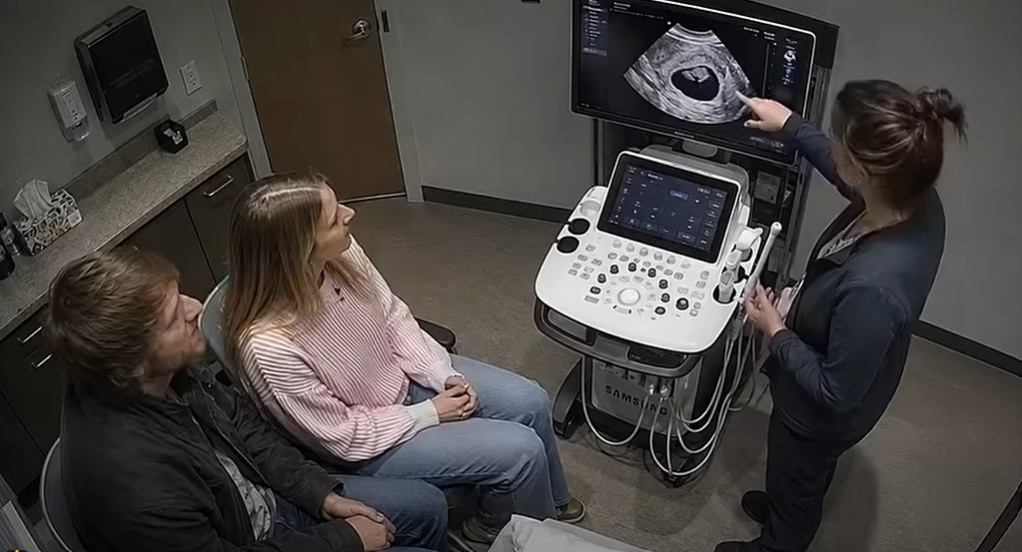
Expecting a baby is often one of life’s most joyful milestones. Families spend months imagining the future, preparing a home, and looking forward to welcoming a new child. Yet pregnancy can also bring unexpected challenges that require courage, thoughtful decision-making, and emotional resilience.
Recently, content creator Jesse Ridgway and his wife shared their experience after receiving unexpected prenatal medical information during pregnancy. Their story has sparked conversations about prenatal testing, family support, disability awareness, and the emotional realities many expecting parents face.
While every family’s situation is unique, their experience highlights the importance of accurate medical guidance, compassionate conversations, and respecting deeply personal decisions.
Understanding Prenatal Testing
Prenatal care has changed significantly over the past few decades. Modern medicine offers several screening and diagnostic tests that help healthcare professionals monitor the health and development of both mother and baby throughout pregnancy.
These tests can provide valuable information about a baby’s growth and may identify certain genetic or developmental conditions before birth. While many families receive reassuring results, others may learn unexpected information that leads to additional testing, specialist consultations, and careful planning.
Healthcare providers recommend prenatal testing because it allows parents to better understand potential medical needs, prepare for specialized care if necessary, and make informed decisions alongside qualified medical professionals.
When Unexpected News Arrives
Receiving unexpected prenatal results can be an emotional experience. Parents often describe feeling overwhelmed as they process new information while continuing to prepare for their baby’s arrival.
It is common for emotions such as uncertainty, anxiety, sadness, and confusion to appear during this period. Every family responds differently depending on their personal beliefs, available support systems, financial circumstances, and the medical information provided by their healthcare team.
Doctors frequently encourage families to avoid making rushed decisions. Instead, they recommend speaking with specialists, asking questions, reviewing medical information carefully, and seeking emotional support when needed.
Because every pregnancy is different, there is no single path that works for every family.
Why Stories Like Jesse Ridgway’s Matter
When public figures choose to discuss personal experiences involving pregnancy or healthcare, their stories often reach millions of people. These conversations can help raise awareness about medical conditions that many individuals may know very little about.
Jesse Ridgway and his wife’s decision to speak openly has encouraged discussions about prenatal care, disability awareness, and the emotional challenges families sometimes experience before a child is even born.
Although public reactions may vary, these conversations can remind people that every family faces unique circumstances that are often more complex than they appear on social media.
Sharing personal experiences can also help others feel less alone, especially those currently navigating similar situations.
Advances in Prenatal Medicine
Medical technology continues to improve every year. Today’s prenatal screening methods can identify certain chromosomal differences and developmental concerns much earlier than was possible in previous generations.
Early information allows healthcare providers to monitor pregnancies more closely, develop individualized care plans, and prepare families for possible medical needs after birth.
In many situations, early diagnosis leads to better coordination between obstetricians, pediatric specialists, genetic counselors, and hospital care teams.
Rather than creating unnecessary fear, prenatal medicine aims to provide families with knowledge that supports informed healthcare decisions.
Understanding Down Syndrome
One condition frequently discussed during prenatal testing is Down syndrome, also known as Trisomy 21.
Down syndrome occurs when a person has an extra copy of chromosome 21. This genetic difference influences physical development, learning abilities, and certain medical characteristics.
However, every individual with Down syndrome is unique.
Some people may require additional medical care and educational support throughout life, while others attend school, build careers, participate in their communities, and enjoy active, fulfilling lives.
Medical advances, early intervention programs, inclusive education, and community resources have greatly improved opportunities and quality of life for many individuals living with Down syndrome.
Families often work closely with healthcare professionals, educators, and support organizations to ensure children receive the services they need to thrive.
The Importance of Professional Medical Guidance
Whenever prenatal testing reveals unexpected findings, healthcare professionals become an essential source of information.
Obstetricians, maternal-fetal medicine specialists, genetic counselors, pediatric experts, and other medical professionals help explain test results, discuss possible outcomes, and answer parents’ questions.
Because each pregnancy presents unique circumstances, medical recommendations are personalized rather than one-size-fits-all.
Experts generally encourage families to rely on evidence-based medical information instead of assumptions or opinions shared online.
Access to accurate information allows parents to better understand their options while reducing unnecessary confusion.
Social Media and Public Conversations
The internet has made it easier than ever for individuals to share personal experiences with large audiences.
Stories involving pregnancy, parenting, and healthcare often generate significant attention because they relate to experiences many families can understand.
Some readers respond with encouragement and empathy.
Others share similar experiences, creating supportive communities where parents exchange information and emotional support.
However, public discussions may also include differing opinions. Maintaining respectful dialogue is important, especially when conversations involve personal medical experiences and family decisions.
Listening with compassion rather than making assumptions helps create healthier online communities.
Supporting Families Through Difficult Moments
Unexpected medical news can affect every member of a family.
Support often comes from many different places, including healthcare providers, relatives, close friends, counselors, support groups, and community organizations.
Emotional encouragement can be just as valuable as medical guidance during periods of uncertainty.
Simple acts of kindness, thoughtful conversations, and reliable information can make a meaningful difference for families adjusting to unexpected circumstances.
No family should feel isolated while navigating important healthcare decisions.
Looking Ahead
As prenatal medicine continues to advance, conversations about pregnancy, genetic testing, and family support will likely remain an important part of public discussion.
Medical technology can provide valuable information, but compassion remains equally important.
Stories like the one shared by Jesse Ridgway and his wife remind us that behind every medical diagnosis is a family experiencing hope, uncertainty, and love for their child.
Regardless of personal opinions or individual circumstances, approaching these stories with empathy and respect encourages more thoughtful conversations and greater understanding.
Ultimately, prenatal care is not only about medical technology—it is also about supporting families, promoting informed decision-making, and ensuring that every parent has access to reliable information and compassionate care throughout their journey.