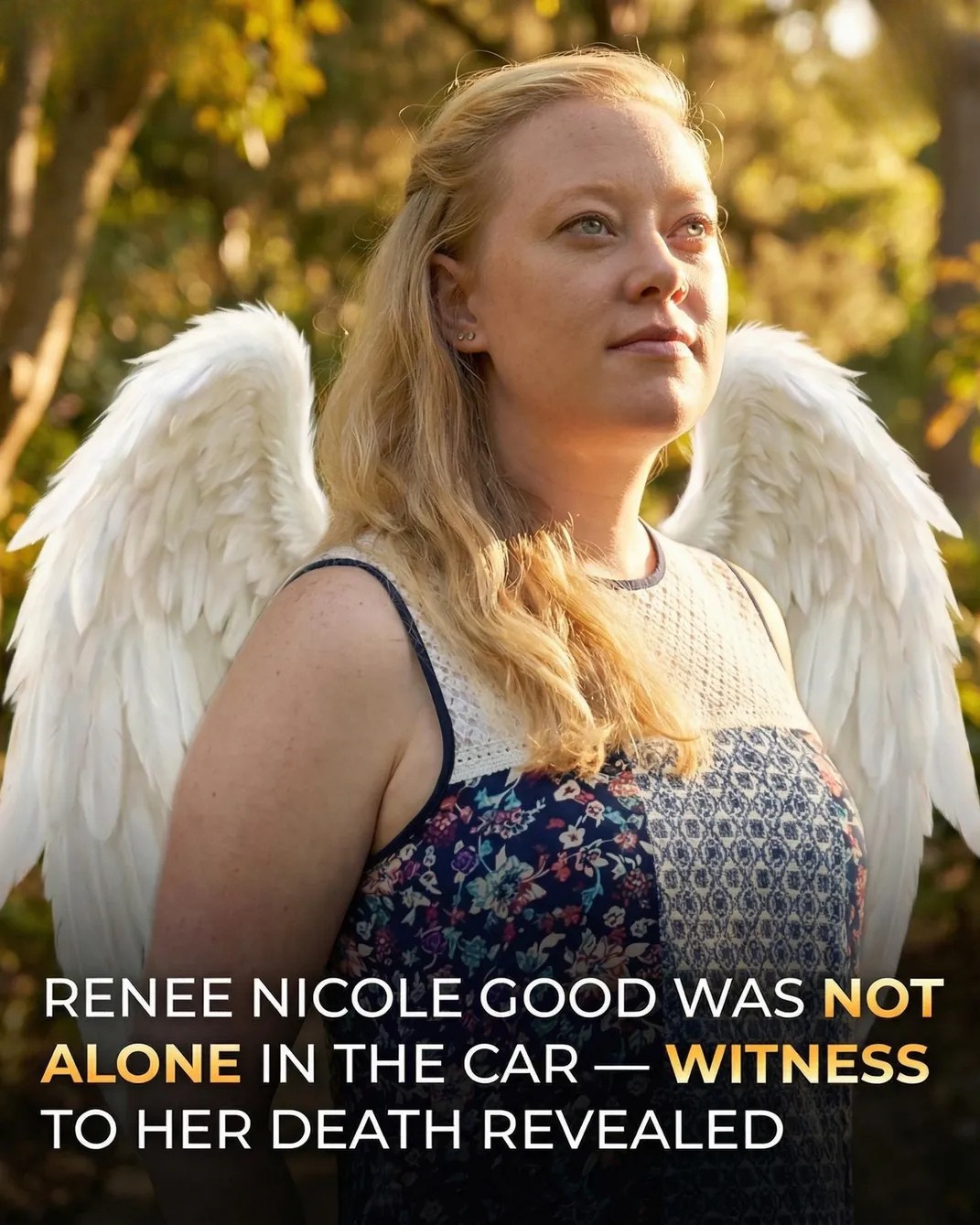
Remembering Renee Nicole Good's Final Morning in Minneapolis
An Ordinary Wednesday Morning
The last morning of Renee Nicole Macklin Good's life began quietly, following the familiar rhythm of a weekday. On a snowy Wednesday in Minneapolis, the 37-year-old mother completed a simple routine many parents know well: dropping off her six-year-old son at school before heading home.
There is something profoundly affecting about the ordinariness of that morning. School drop-off. Snow on the ground. The familiar drive home. Millions of parents live this routine every weekday without a second thought. For Renee, it was the last ordinary morning she would ever have, though no one could have known it at the time.
Those close to her later shared that she had been focused on her family, her creative passions, and building a fresh start after recently moving to the city. The family had relocated from Kansas City the year before, seeking new beginnings in Minneapolis. Like so many who move to a new city, Renee was in the process of putting down roots: finding her places, building her routines, imagining the future.
A Morning That Turned Tragic
Later that morning, an unexpected encounter occurred on a residential street near the home where the couple had settled. According to a family member, their vehicle crossed paths with federal immigration agents who were conducting activity in the area. What initially seemed brief and unclear quickly became tense.
Within a short time, the situation ended in a tragic loss of life, leaving family members and the wider community searching for clarity and understanding. The details of what exactly transpired remain a matter of ongoing attention and dispute, with family members, officials, and community members offering different accounts of the encounter.
What is not in dispute is the outcome: a 37-year-old mother did not come home that day. A six-year-old boy lost his mother. A partner lost the person they had been building a new life with. A community lost a neighbor it was just beginning to know.
Who Renee Was
In the days that followed, loved ones have worked to ensure that Renee is remembered for who she was, rather than solely for the circumstances surrounding her death. This effort, to reclaim a person's full humanity from the shadow of a tragic ending, is one of the most important things grieving families do.
Family members describe her as a caring and creative individual, deeply devoted to her son and her family. She was a mother who showed up for the ordinary moments: the school drop-offs, the daily routines, the small acts of care that form the architecture of a child's life. She was a creative soul with passions she was actively pursuing. She was someone building a fresh start, looking forward rather than back.
These descriptions matter. When a death becomes a matter of public controversy, the person at the center can easily be reduced to a symbol or a talking point. Renee's family has fought against that reduction, insisting that she be remembered as a whole person: a mother, a partner, a creative individual, someone whose life had meaning far beyond its final morning.
A Community Searches for Answers
The wider Minneapolis community has been deeply affected by Renee's death. Vigils, gatherings, and public discussions have reflected a community grappling with grief, anger, and a demand for clarity. For neighbors who are still learning who Renee was, the tragedy has been compounded by the sense that it happened so close to home, on an ordinary residential street, on an ordinary snowy morning.
Community responses to such events often follow a pattern: initial shock, a hunger for information, the formation of competing narratives, and eventually, a longer process of reckoning. Minneapolis, a city with its own complex history of high-profile tragedies, knows this pattern well. Each new event reopens older wounds even as it creates new ones.
For Renee's family, the community's attention has been both a comfort and a burden. Support from neighbors and strangers has provided strength. But the transformation of a personal tragedy into a public controversy adds layers of pain to grief that is already overwhelming.
The Questions That Remain
As with any incident involving loss of life during a law enforcement encounter, significant questions remain about what happened on that residential street. Family members, officials, and witnesses have offered differing accounts, and the process of establishing a clear record is ongoing.
These questions matter profoundly, not just for Renee's family but for public trust. When a mother dropping off her child at school does not come home, the community deserves a full and transparent accounting. Accountability processes exist precisely for moments like this: to establish facts, to determine whether protocols were followed, and to provide answers to grieving families.
It is important to approach these questions with care. Definitive conclusions require thorough investigation, and speculation can deepen divisions and compound the family's pain. What can be said with certainty is that a family is grieving, a community is hurting, and the demand for clarity is both legitimate and urgent.
Remembering Beyond the Headlines
There is a tendency, when deaths become controversies, for the person to disappear behind the debate. Renee Nicole Macklin Good was 37 years old. She was a mother to a six-year-old boy. She had creative passions. She had recently moved to a new city to build a fresh start. She dropped her son off at school on a snowy Wednesday morning.
These facts are the foundation of who she was, and they deserve to be held alongside, not beneath, the questions about how she died. Her family has asked for this: that Renee be remembered as a person, not only as a case.
For the six-year-old boy who lost his mother that morning, the public debate will eventually fade. What will remain is the absence: the milestones she will not witness, the ordinary mornings that will never feel ordinary again.
What This Tragedy Asks of Us
Renee's death raises difficult questions that extend beyond any single incident:
- How do we ensure accountability when loss of life occurs during law enforcement operations?
- How do communities heal when tragedy strikes amid existing tensions and mistrust?
- How do we honor the dead as full human beings rather than reducing them to symbols in public debates?
- How do we support grieving families who must mourn while also seeking answers?
- How do we protect the vulnerable, including the children left behind, in the aftermath of public tragedies?
These questions have no easy answers, but they deserve sustained attention. The worst outcome would be for Renee's death to become just another headline, debated fiercely for a news cycle and then forgotten. Her family, her son, and her community deserve more than that.
A Final Morning Remembered
The last morning of Renee Nicole Macklin Good's life began quietly, with snow falling on Minneapolis and a mother taking her son to school. It is a morning countless parents will recognize from their own lives. That recognition is what makes this story so affecting: the understanding that the ordinary can shatter without warning, and that behind every headline about a tragic encounter is a family whose world has been permanently altered.
Remember Renee for who she was: a caring mother, a creative soul, a woman building a new life in a new city. Hold her family in your thoughts. And honor her memory by insisting on the clarity, accountability, and compassion that every such tragedy demands.
Frequently Asked Questions
Who was Renee Nicole Good?
Renee Nicole Macklin Good was a 37-year-old mother living in Minneapolis. Family members describe her as a caring and creative individual, deeply devoted to her six-year-old son and focused on building a fresh start after relocating from Kansas City.
What happened on the morning of her death?
According to a family member, after dropping her son off at school on a snowy Wednesday morning, Renee's vehicle crossed paths with federal immigration agents conducting activity on a residential street near her home. The encounter escalated and ended in her tragic death. Specific details remain under scrutiny with differing accounts.
Has her family spoken publicly?
Yes. In the days following her death, loved ones have worked to ensure Renee is remembered for who she was as a person, a devoted mother and creative individual, rather than solely for the circumstances surrounding her death.
Why has this case drawn community attention?
The Minneapolis community has responded with vigils and public discussion, reflecting grief and a demand for clarity about the encounter. The case raises broader questions about accountability during law enforcement operations and community trust.
How can people honor Renee's memory respectfully?
By remembering her as a whole person rather than a symbol, supporting grieving families with compassion, insisting on transparent accountability processes, and holding space for the loved ones, especially her young son, who must live with this loss.