Who Should Be More Careful?
People with certain health conditions may need individualized advice about their diet and cholesterol intake.
If you have high cholesterol, cardiovascular disease, diabetes, familial hypercholesterolemia, or another condition that affects your cardiovascular risk, it is a good idea to discuss your diet with a qualified healthcare professional.
Your doctor can consider your cholesterol results, family history, medications, lifestyle, and overall diet before making recommendations.
Is the Woman’s Story Scientifically Proven?
There is an important limitation to keep in mind.
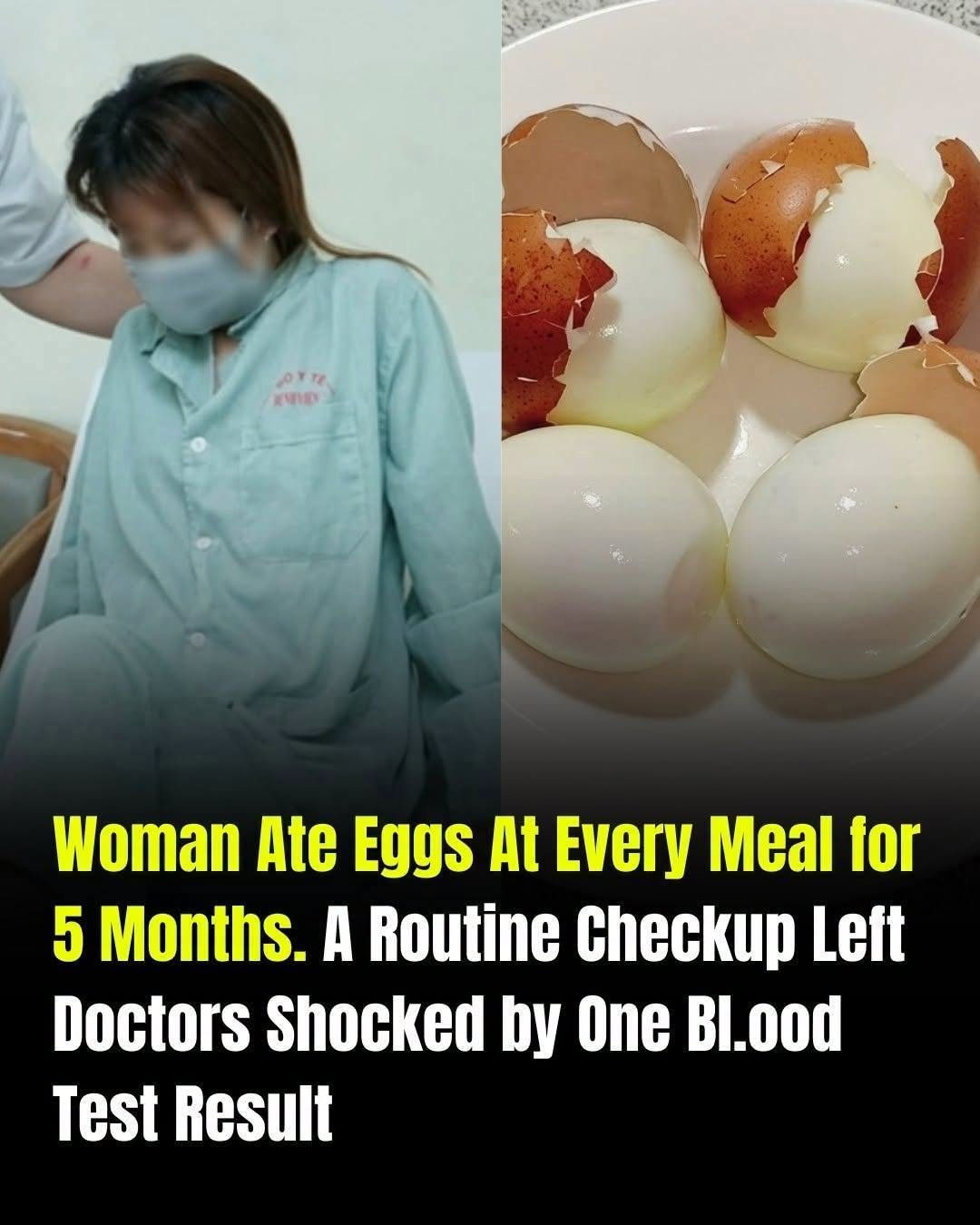
The specific story of one woman eating eggs at every meal for five months is an individual anecdote, not a controlled scientific study. Without independently verified medical records and information about her complete diet and lifestyle, her experience cannot establish that eating eggs caused her improved blood-test results.
Her experience may be interesting, but it should not be used as evidence that everyone will experience the same outcome.
The Bigger Lesson About Eggs
The debate surrounding eggs shows why nutrition can be more complicated than a simple list of “healthy” and “unhealthy” foods.
Eggs contain valuable nutrients and can be included in many balanced eating patterns. At the same time, eating habits should be considered as a whole rather than based on one ingredient.
Instead of asking whether eggs are completely good or completely bad, it may be more useful to ask how they fit into your overall diet.
For most people, variety, portion awareness, nutritious foods, and an overall balanced eating pattern are more useful goals than focusing on one food alone.
Frequently Asked Questions
Can I eat eggs every day?
Many healthy adults can include eggs regularly as part of a balanced diet. The appropriate amount can vary depending on individual health and dietary needs.
Are egg yolks unhealthy?
Egg yolks contain dietary cholesterol, but they also provide many important nutrients. Whether whole eggs fit into your diet depends on your overall eating pattern and individual health considerations.
Do eggs automatically increase LDL cholesterol?
Not necessarily. Individual responses vary, and the effect of dietary cholesterol can differ from person to person. The overall composition of the diet also matters.
Are egg whites healthier than whole eggs?
Egg whites are a good source of protein and contain little dietary fat, while the yolk provides many additional nutrients. Both can have a place in a balanced diet.
Should people with high cholesterol avoid eggs completely?
Not necessarily. People with high cholesterol should discuss their individual dietary needs with a healthcare professional rather than making major dietary changes based solely on general advice found online.
Final Thoughts
The story of a woman eating eggs at nearly every meal for five months is certainly unusual, especially because her reported blood-test results were different from what she expected.
But the most useful takeaway is not that everyone should start eating eggs three times a day.
Instead, it is a reminder that nutrition is rarely as simple as one food being entirely good or bad. Eggs can provide useful nutrients and fit into a balanced diet, while individual health conditions and the rest of a person’s diet still matter.
If you’re concerned about cholesterol, the best approach is to look at your overall eating habits and discuss your personal situation with a healthcare professional.
This article is for general informational purposes only and is not a substitute for professional medical advice.