
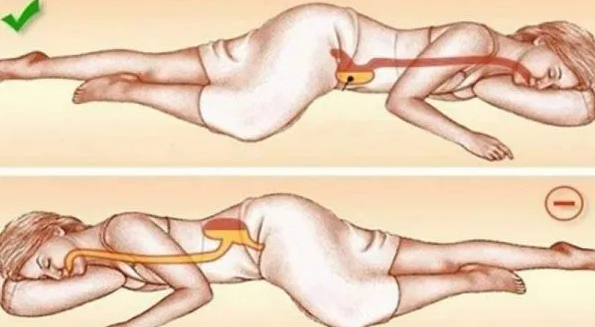
Surprising Health Benefits of Sleeping on Your Left Side
Did you know that the way you sleep can directly affect your health and well-being? While many people choose positions such as sleeping on their back, stomach, or right side, research suggests that sleeping on your left side may provide unique health benefits. From improving digestion to supporting heart health, this simple change in your sleep position could have a lasting impact.
You spend roughly a third of your life asleep, so even a small adjustment to your sleep position can add up to a meaningful difference over time. Here is what the left side may offer, and how to make the switch comfortably.
Key Benefits of Sleeping on Your Left Side
1. Reduces Nighttime Heartburn
If you suffer from acid reflux or GERD, switching to your left side could help. This position keeps the stomach lower than the esophagus, making it harder for acid to travel upward and cause discomfort.
The stomach is shaped so that its contents pool toward the lower, leftward curve when you lie on your left side. On your right side, the stomach sits higher relative to the esophagus, which can make it easier for acid to splash upward. Many people with reflux notice fewer nighttime symptoms after switching sides. Pairing this position change with other reflux-friendly habits, like avoiding large late meals and elevating the head of the bed slightly, can help even more.
2. Boosts Spleen Function
The spleen, located on the left side of your body, plays an important role in filtering blood and supporting the immune system. Sleeping on your left side encourages better circulation to this organ, allowing it to function more efficiently.
The spleen filters out old or damaged blood cells and helps the immune system respond to threats. Gravity-assisted blood flow toward the left side may support these filtering tasks during the hours you spend asleep.
3. Supports Natural Detoxification
Because the liver rests on the right side of the body, sleeping on the left prevents unnecessary pressure and congestion. This position promotes smoother liver function, helping your body eliminate toxins more effectively.
The liver processes substances from the blood around the clock, including while you sleep. Giving it room to work without compression is a simple way to support its nightly workload.
4. Improves Lymphatic Drainage
Your lymphatic system is responsible for flushing out waste and toxins. The thoracic duct, the main lymphatic channel, is also located on the left side. Sleeping in this position helps the body clear toxins naturally while recycling essential proteins.
Unlike the circulatory system, the lymphatic system has no pump of its own. It relies on muscle movement, breathing, and gravity to move lymph fluid through the body. A left-side position works with gravity to support that slow, steady drainage overnight.
5. Eases Pregnancy Discomfort
Doctors often recommend that expectant mothers, especially in the later stages of pregnancy, sleep on their left side. This position improves blood circulation, reduces pressure on the liver, and helps the heart work more efficiently. It also supports healthy digestion and bowel regularity during pregnancy.
Left-side sleeping takes pressure off the large vein that returns blood from the lower body to the heart, which can become compressed when lying flat on the back in later pregnancy. Many expectant mothers also find that a pillow between the knees and one supporting the belly makes the position far more comfortable.
6. Enhances Heart Health
The left side of the heart pumps blood throughout the body. Sleeping on your left side helps gravity support circulation, making it easier for your heart to do its job and reducing strain on the cardiovascular system.
During sleep, the heart does not get a break. It keeps pumping all night. Any position that eases its workload, even slightly, is a small gift to your cardiovascular system over thousands of nights.
7. Encourages Healthy Digestion
The ileocecal valve, which connects the small and large intestines, is positioned on the left. Sleeping on this side uses gravity to aid the natural movement of waste, promoting smoother and more regular bowel movements.
The large intestine also travels up the right side, across, and down the left side of the abdomen. Lying on your left lets gravity assist waste as it moves toward the lower left, following the colon's natural path. People who struggle with sluggish digestion or morning regularity sometimes notice an improvement.
How to Train Yourself to Sleep on Your Left Side
If you are a lifelong back, stomach, or right-side sleeper, switching takes a little practice. These tips can help:
- Start on your left side when you get into bed. Even if you roll over during the night, you will have spent part of the night there.
- Place a body pillow or a regular pillow behind your back to discourage rolling onto your right side.
- Hug a pillow in front of you to keep your shoulders and hips aligned.
- Put a pillow between your knees to keep your spine neutral and reduce hip strain.
- Be patient. It can take a couple of weeks for a new position to feel natural.
A good pillow matters too. Side sleepers generally need a thicker pillow that fills the gap between the shoulder and the head, keeping the neck aligned with the spine.
When Another Position Might Be Better
Left-side sleeping is not ideal for everyone. People with certain heart conditions sometimes find that lying on the left makes them more aware of their heartbeat, which can feel uncomfortable. If you have a heart condition, follow your doctor's guidance on sleep position.
Stomach sleeping is the position most sleep experts advise against, since it strains the neck and lower back. Back sleeping works well for spinal alignment but can worsen snoring and sleep apnea. If you snore heavily or have been told you stop breathing during sleep, talk to a healthcare provider regardless of your preferred position.
Frequently Asked Questions
How long does it take to get used to a new sleep position?
Most people adjust within one to three weeks of consistent practice. Using pillows for support speeds up the process.
Can sleeping on my left side really help with acid reflux?
Many people with reflux report fewer nighttime symptoms on their left side, because the stomach sits below the esophagus in that position. It works best combined with other reflux habits, like not eating right before bed.
Is it bad to sleep on my right side?
Not at all. Right-side sleeping is fine for most people. The left side simply offers a few extra advantages related to digestion, reflux, and circulation.
What if I keep rolling over in my sleep?
That is normal. Start on your left side and use a pillow behind your back to make rolling less likely. Even part of the night on your left side is better than none.
Should pregnant women only sleep on the left?
Left-side sleeping is commonly recommended in later pregnancy, but comfort matters too. If the left side becomes uncomfortable, switching sides for a while is fine. Talk to your doctor about what is best for your situation.
Small changes, repeated nightly, can quietly reshape your health. If you are curious, try the left side for a few weeks and notice how you feel in the morning. Your body may thank you.
This article is for informational purposes only and is not medical advice. Please consult a qualified professional.

