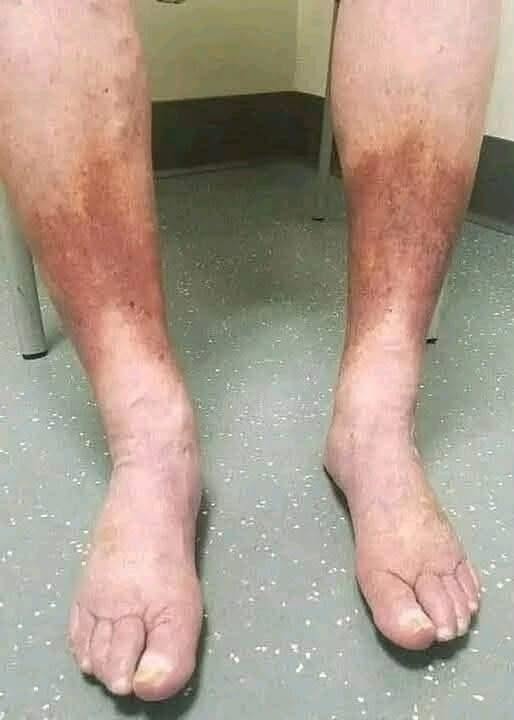
Swollen feet and ankles are a common health concern that can affect people of all ages. In many cases, the swelling is temporary and develops after standing for long periods, sitting during travel, eating salty foods, or spending time in hot weather. However, swelling that is sudden, severe, or keeps returning may be a sign of an underlying medical condition that should be evaluated by a healthcare professional.
Understanding what causes swollen feet and ankles can help you determine whether simple home care is enough or if medical attention is needed.
What Is Edema?
The medical term for swelling caused by excess fluid collecting in the body’s tissues is edema. This extra fluid often builds up in the feet, ankles, and lower legs because gravity naturally pulls fluid toward the lower part of the body.
Edema can develop for many different reasons. Sometimes it is caused by everyday activities, while in other cases it may be linked to problems involving the heart, kidneys, veins, or other parts of the body.
Standing or Sitting for Long Periods
Remaining in the same position for several hours can slow circulation and allow fluid to collect in the lower legs. Many people notice swollen feet after long work shifts, road trips, or airplane flights. Walking around regularly, stretching your legs, and changing positions throughout the day can help improve circulation and reduce swelling.
Pregnancy
Swollen feet and ankles are very common during pregnancy, especially during the final months. Hormonal changes, increased blood volume, and pressure from the growing baby can all contribute to fluid retention. Mild swelling is usually normal, but sudden or severe swelling should always be discussed with a healthcare provider because it may require prompt evaluation.
Eating Too Much Salt
A diet high in sodium can cause the body to retain more water than usual. Processed foods, canned soups, fast food, and salty snacks are common sources of excess sodium. Choosing fresh foods and reducing salt intake may help decrease fluid retention over time.
Injury
An ankle sprain, muscle strain, broken bone, or other injury often causes swelling as part of the body’s natural healing process. Swelling from an injury is frequently accompanied by pain, bruising, or difficulty walking. Resting the affected area, applying ice, and keeping the foot elevated may help reduce discomfort during recovery.
Hot Weather
Warm temperatures cause blood vessels to widen, making it easier for fluid to move into surrounding tissues. As a result, many people notice swollen feet during the summer or after spending time outdoors. Staying cool, drinking enough water, and avoiding excessive heat may help reduce this type of swelling.
Excess Body Weight
Carrying extra body weight places additional pressure on the veins in the legs, making it harder for blood to return to the heart efficiently. Over time, this may contribute to swelling in the feet and ankles. Maintaining a healthy weight through balanced nutrition and regular physical activity may improve circulation.
Medication Side Effects
Some prescription medications can cause swelling as a side effect. Certain medicines used to treat high blood pressure, diabetes, inflammation, or hormone-related conditions may contribute to fluid retention. Anyone who notices swelling after starting a new medication should speak with their healthcare provider before making any changes to their treatment.
Chronic Venous Insufficiency
The veins in the legs contain small valves that help blood return to the heart. When these valves become weak or damaged, blood may pool in the lower legs, causing swelling. People with chronic venous insufficiency may also experience aching legs, heaviness, skin discoloration, or visible varicose veins. Medical treatment and compression stockings are often recommended to improve circulation.
Heart Conditions
Swelling in both feet and ankles can sometimes occur when the heart is unable to pump blood effectively. This allows fluid to build up in the body’s tissues. Swelling related to heart problems may also occur alongside fatigue, shortness of breath, or difficulty with physical activity. Medical evaluation is important whenever these symptoms appear together.
Kidney Disease
Healthy kidneys remove excess fluid and waste from the body. When kidney function is reduced, fluid may accumulate and lead to swelling in the feet, ankles, legs, hands, or face. Kidney-related swelling requires proper medical assessment and treatment to identify the underlying cause.
Warning Signs You Should Not Ignore
Although swollen feet are often harmless, some symptoms require prompt medical attention. Swelling that develops suddenly, becomes severe, affects only one leg, or is accompanied by pain, redness, warmth, or fever should be evaluated by a healthcare provider. Swelling that continues despite home treatment or interferes with daily activities also deserves medical attention.
Emergency medical care should be sought immediately if swollen feet occur together with chest pain, severe shortness of breath, or difficulty breathing, as these symptoms may indicate a serious medical emergency.
When to See a Doctor
You should contact your healthcare provider if swelling lasts for several days, keeps returning, or becomes progressively worse. Medical advice is also recommended for anyone with a history of heart disease, kidney disease, or liver disease who develops swelling. Pregnant women who experience sudden swelling should also seek prompt evaluation. If swelling is associated with pain, redness, or warmth in one leg, immediate medical assessment is important because it may indicate a blood clot.
Ways to Help Reduce Swelling at Home
Many mild cases of swollen feet can improve with simple lifestyle changes. Elevating your feet above the level of your heart helps encourage excess fluid to drain away from the lower legs. Staying physically active by walking regularly also supports healthy circulation. Drinking enough water throughout the day can help maintain proper fluid balance, while reducing salty foods may decrease water retention.
Some people also benefit from wearing properly fitted compression stockings after discussing them with their healthcare provider. Applying a cool compress after standing for long periods and gently massaging the feet and ankles may also provide temporary relief.
Frequently Asked Questions
Edema is the medical term used to describe swelling caused by excess fluid trapped in the body’s tissues.
Swollen feet can sometimes be associated with heart disease, particularly when swelling affects both legs and occurs with symptoms such as shortness of breath or unusual fatigue.
High blood pressure itself does not usually cause swollen feet, but certain medications used to treat high blood pressure may lead to fluid retention.
Kidney disease can cause swelling because the kidneys may no longer remove excess fluid effectively.
Swollen feet are very common during pregnancy, especially later in pregnancy, although sudden swelling should always be evaluated by a healthcare provider.
A blood clot may cause swelling in one leg along with pain, warmth, redness, and tenderness. These symptoms require immediate medical attention.
Final Thoughts
Swollen feet and ankles are often the result of everyday factors such as standing for long periods, hot weather, pregnancy, or eating too much salt. In many situations, the swelling improves with rest, movement, and healthy lifestyle habits.
However, persistent, severe, or sudden swelling should never be ignored. If swelling occurs together with chest pain, difficulty breathing, fever, or severe pain, seek immediate medical care. A healthcare professional can identify the underlying cause and recommend the most appropriate treatment.
Paying attention to changes in your body and seeking medical advice when necessary can help protect your overall health and prevent more serious complications.