
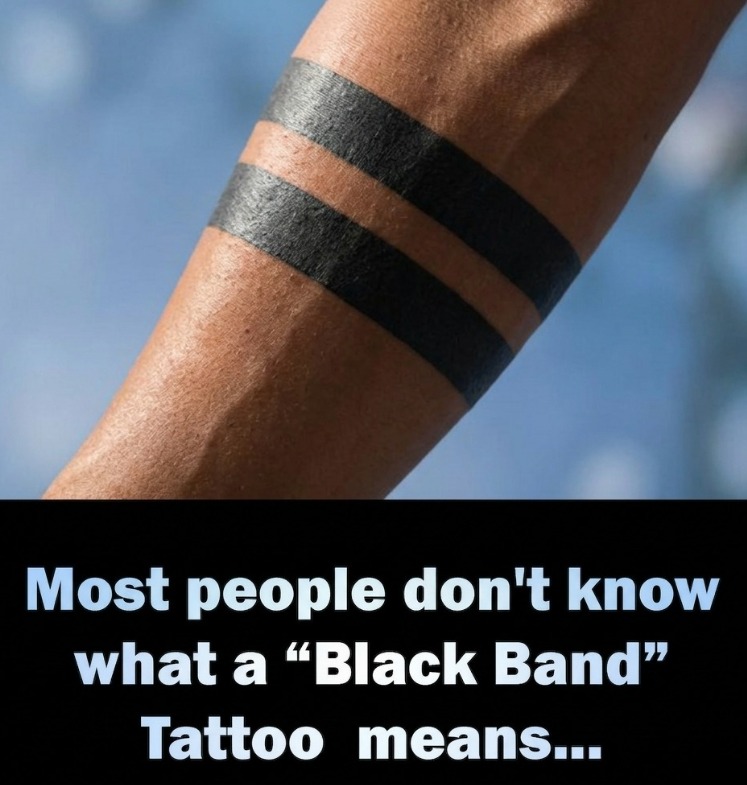
The Personal Meaning Behind Black Band Tattoos
Black band tattoos have become one of the most recognizable minimalist tattoo styles in recent years. Their clean, simple appearance appeals to people who appreciate timeless designs, but for many individuals, these tattoos can also carry personal meaning and emotional significance.
Typically designed as solid black lines wrapped around the arm, wrist, leg, or other parts of the body, black band tattoos are often chosen for their versatility. Some people view them purely as a modern fashion statement, while others connect them to important memories, life experiences, or personal milestones.
Remembrance: The Most Common Meaning
One of the most common interpretations of black band tattoos is remembrance. Inspired by traditional black armbands once worn to honor loved ones who passed away, some individuals choose this design as a quiet tribute to someone important in their lives.
In these cases, the tattoo may symbolize memory, connection, or respect, though many people prefer to keep the meaning private. There's something powerful about carrying grief in a form that's always visible to you but never demands explanation. A black band doesn't announce its story to strangers. It simply exists, a permanent marker of a person who mattered.
This use echoes a long human tradition of wearing mourning visibly: black clothing, armbands, memorial jewelry. The tattoo version just makes the temporary permanent, which for many mourners feels right. Grief doesn't expire, so why should its symbol?
Strength, Resilience, and New Beginnings
For others, black band tattoos can represent personal growth, resilience, or a fresh start. Some people associate the circular shape with continuity and strength: unbroken, enduring, without beginning or end. The band becomes a symbol of moving forward after a difficult experience, a line drawn around a chapter survived.
Common personal milestones marked with band tattoos include recovery from illness or addiction, the end of a difficult relationship, a major life transition, or simply the decision to mark survival itself. The simplicity of the design suits the gravity of these meanings. It doesn't illustrate the story; it seals it.
Cultural and Historical Roots
The black band's resonance isn't accidental. Across cultures, encircling marks on the body have carried meaning for millennia:
- Mourning bands: The Western tradition of black armbands for the bereaved is the most direct ancestor of the memorial band tattoo.
- Tribal and indigenous bands: Many cultures have used solid bands around arms or legs to signify status, rites of passage, protection, or group belonging.
- Japanese influences: Traditional Japanese tattooing (irezumi) often incorporates bold bands and borders as structural elements, influencing modern minimalist interpretations.
- Contemporary minimalism: The recent wave of band tattoos also rides the broader minimalist tattoo movement, which favors clean geometry over elaborate imagery.
Understanding these roots adds depth for wearers who want their simple design connected to something older than fashion.
Pure Aesthetics: Meaning Optional
At the same time, many tattoo enthusiasts simply appreciate the style for its bold yet minimalist appearance, with no deeper meaning attached at all. And that's completely valid.
Black band tattoos work well on their own or as framing elements around other designs. They complement both minimalist and elaborate tattoo collections. Their symmetry flatters the body's natural lines, particularly on arms and calves. They age relatively well compared to fine-line detailed work, since bold solid black holds up over time.
The "no meaning" choice is itself a quiet statement in a culture that often demands every tattoo tell a story. Sometimes a beautiful mark is just a beautiful mark, and the wearer owes no one an explanation.
Design Variations
While the classic is a single solid band, the style has evolved:
- Single thick band: Bold, stark, maximum visual impact.
- Double or triple thin bands: Lighter, more delicate, often chosen for wrists and ankles.
- Bands with breaks or gaps: Some designs incorporate negative space, geometric interruptions, or small symbols within the band.
- Gradient or textured bands: Dotwork or fade effects soften the solid black for a more artistic feel.
- Combined with other elements: Bands framing script, dates, coordinates, or small imagery, merging minimalism with personalization.
Placement matters too. Upper arm bands read bold and traditional. Wrist bands are intimate and visible. Thigh and calf bands balance visibility with discretion. Finger bands, tiny and striking, have become popular for their subtlety.
Things to Consider Before Getting One
- Bold black lasts: That's usually a plus, but removal or cover-up of a solid band is more difficult than for lighter work. Be sure.
- Placement and profession: While tattoos are widely accepted now, highly visible bands on forearms or wrists are worth considering against your career context.
- Artist skill matters: Simple doesn't mean easy. Crisp, even bands with clean edges require a steady, experienced hand. Check portfolios for healed band work specifically.
- Meaning can evolve: A band gotten for aesthetics may gather meaning over time, and one gotten for grief may come to mean resilience. Tattoos grow with their wearers.
Frequently Asked Questions
What does a black band tattoo mean?
Meanings vary by wearer. The most common are remembrance of a lost loved one, personal strength or resilience, a fresh start, cultural or tribal significance, or simply aesthetic appreciation with no deeper meaning.
Do black band tattoos always signify mourning?
No. While the memorial meaning is widespread, many people choose bands for style, strength symbolism, or cultural reasons. Never assume you know someone's tattoo meaning.
Do solid black tattoos fade?
All tattoos fade somewhat over time, but bold solid black generally holds up better than fine lines or light colors. Sun protection significantly extends vibrancy.
Are band tattoos painful?
Pain depends on placement. Areas with thin skin over bone (wrist, ankle) tend to hurt more than fleshier areas (upper arm, thigh). Bands require the artist to work continuously around the limb, which some find more intense than intermittent work.
Can a black band be covered up or removed?
Solid black bands are among the harder tattoos to cover or remove because of the ink density. Laser removal is possible but takes many sessions. Cover-ups require a skilled artist and a larger, darker design.



